
Veterinary Tests: The Complete Guide for Getting Started

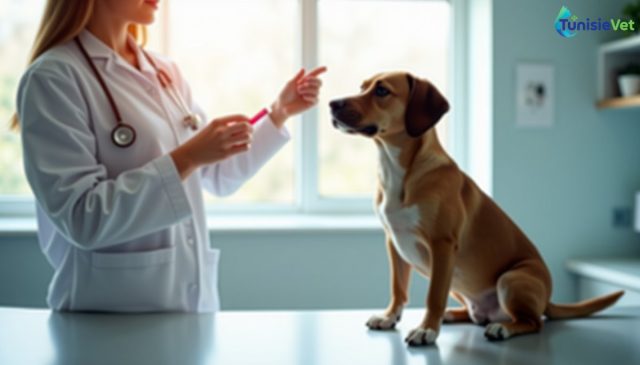
Getting veterinary tests done for your animal can be a stressful experience for new pet owners or farmers. Blood tests, fecal examinations, urinalysis—these tools are essential for understanding your animal's true health status beyond surface-level appearances. This practical guide brings together basic veterinary advice to help you approach testing with confidence, avoid common mistakes, and develop the right habits from your very first appointment.
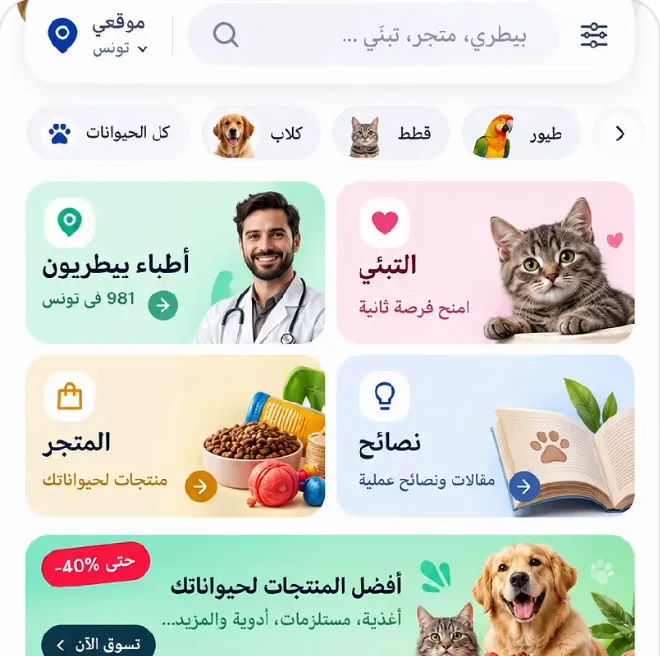
The TunisieVet app to care for your pet
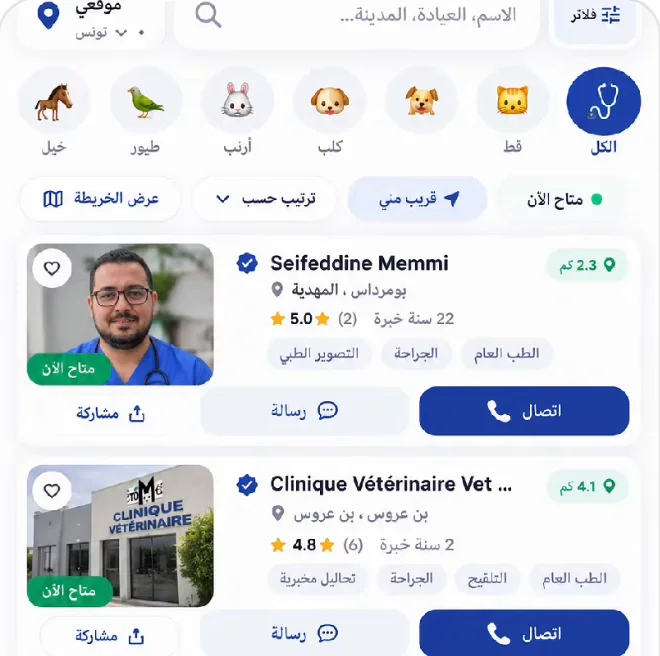
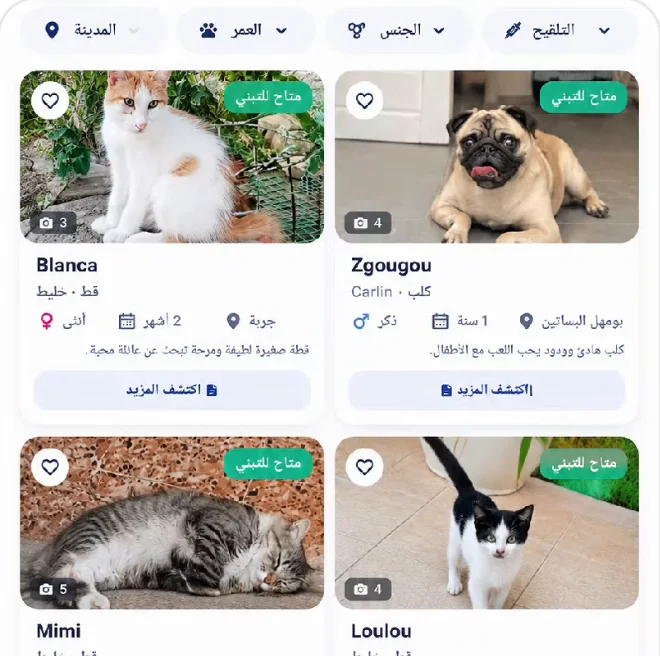
Vets, adoption and products

Why Are Veterinary Tests Important?
Animals cannot clearly express what they're experiencing. Fatigue, loss of appetite, or behavioral changes can have many different causes. Tests enable your veterinarian to:
- Confirm or rule out a hypothesis formed during the clinical examination
- Detect abnormalities invisible to the naked eye (kidney function, liver function, inflammation)
- Monitor the progression of chronic disease over time
- Verify overall health before surgery or breeding
They are an essential complement to clinical examination, never a substitute for the professional judgment of someone who knows your animal's history.
Main Types of Tests to Know
Blood Analysis
This is the most common test. It evaluates numerous parameters: red and white blood cells, organ function, signs of infection or inflammation. It's typically requested when your animal shows unexplained fatigue, before anesthesia, or as part of routine screening in older animals.
Fecal Analysis
Particularly useful in young animals or farm settings, it helps detect internal parasites that often go unnoticed. Poorly targeted deworming can be ineffective—testing guides the choice of appropriate treatment.
Urinalysis
It provides information about kidney function, urinary tract infections, or crystal formation. It's a simple, low-cost test but rich in diagnostic value, especially in animals drinking or urinating more than usual.
Herd-Specific Testing
In livestock or farm animals, group testing (analyzing multiple individuals from the same herd) helps detect disease before it spreads throughout the flock—essential for the collective health of your herd.
Common Mistakes to Avoid
- Waiting too long to seek help, hoping symptoms will resolve on their own
- Interpreting results yourself without veterinary guidance, which can lead to incorrect conclusions
- Ignoring preparation instructions (for example, not fasting your animal when required), which can skew results
- Comparing results to online reference ranges instead of relying on professional interpretation, which accounts for age, breed, and clinical context
- Neglecting follow-up testing after treatment, when additional tests are often necessary to confirm recovery
Best Practices Before and After Testing
- Write down the symptoms observed, when they started, and how they've progressed before your appointment
- Follow your veterinarian's preparation instructions carefully (fasting, sample transport, etc.)
- Ask clear questions: What is this test looking for? What do these results mean for my animal in practical terms?
- Keep a record of your results, especially for older animals or those with chronic conditions, so you can compare tests over time
- Respect the follow-up testing schedule recommended by your vet, even if your animal seems to be doing better
Ultimately, the best approach is to trust a qualified professional to interpret results and adjust treatment accordingly. You can consult the veterinarian directory to find a practitioner near you for any type of animal.
When Should Routine Testing Be Done, Even Without Symptoms?
Routine screening is recommended for older animals, before anesthesia, or as part of regular herd health monitoring. These preventive tests often detect problems before visible symptoms appear, which greatly facilitates treatment and improves the outlook for your animal.
Leave a comment
Be the first to comment on this article.
