
Veterinary Tests: Your Complete Beginner's Guide

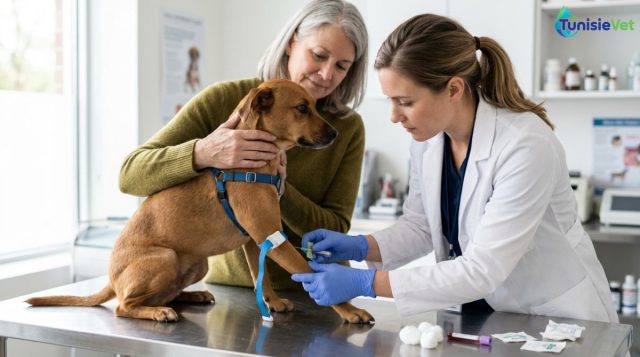
Veterinary testing allows your veterinarian to look beyond visible symptoms and make a reliable diagnosis. Many pet owners hesitate to request tests due to lack of knowledge or cost concerns. This practical guide explains when to run tests, how to understand the process, and what steps to take to support your animal's health — whether you own a dog, cat, or farm animal.
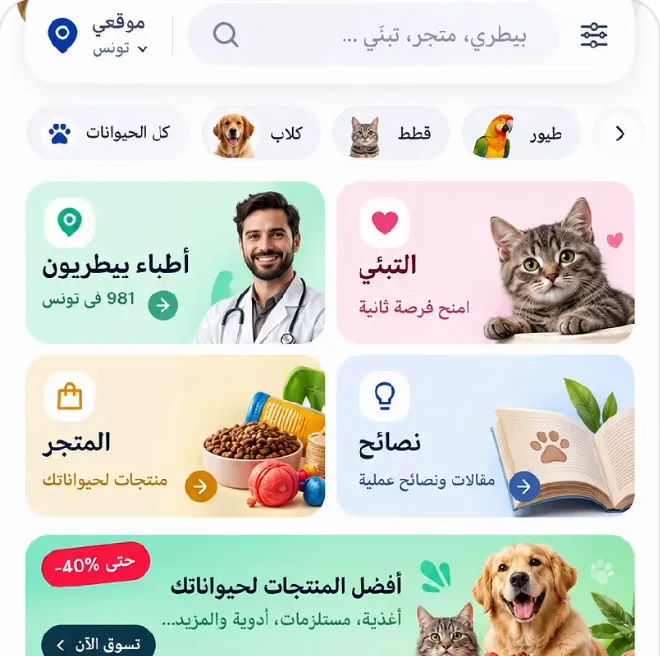
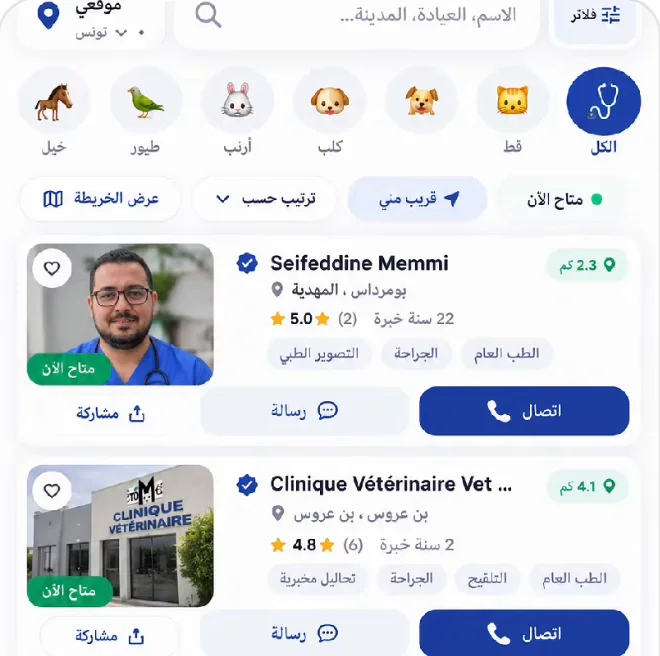
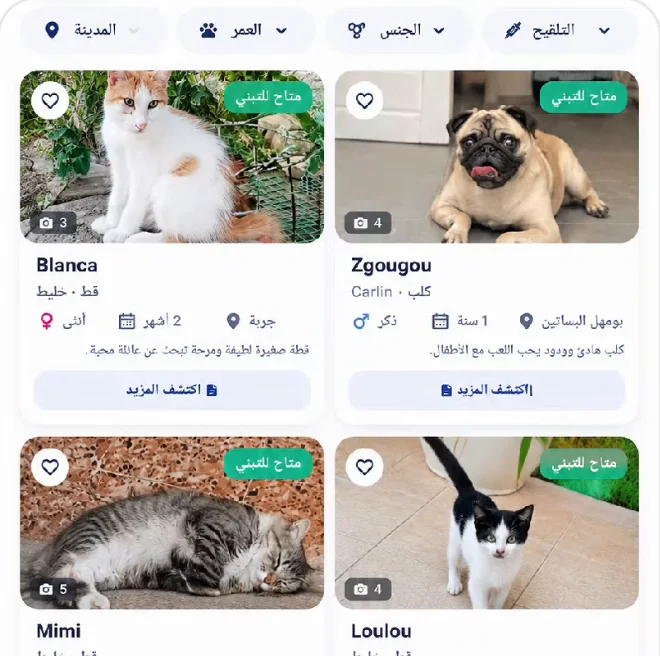
The TunisieVet app to care for your pet
Vets, adoption and products


1. Why veterinary tests are essential for animal health monitoring
An animal cannot describe how it feels. Tests — blood work, urinalysis, fecal analysis, and skin scrapes — provide objective information that observation alone cannot reveal. They help confirm a suspicion, rule out a hypothesis, or detect a problem before visible signs even appear.
They are also a prevention tool: a screening performed during a routine check-up can uncover an abnormality at an early stage, when treatment is still simple and cost-effective.
2. Main types of tests and their purpose
Each type of test answers a specific question. Understanding their role helps clarify why your veterinarian recommends one test over another.
| Test Type | What It Checks | Common Situations |
|---|---|---|
| Blood work (biochemistry, hematology) | Organ function, inflammation, anemia | Unexplained fatigue, monitoring senior animals |
| Urinalysis | Kidney function, urinary tract infections, diabetes | Excessive thirst, abnormal urine |
| Fecal analysis | Internal parasites, digestive disorders | Diarrhea, weight loss |
| Skin or ear swab | External parasites, fungi, bacteria | Itching, hair loss, odor |
| Imaging (X-rays, ultrasound) | Organ structure, fractures, pregnancy | Limping, suspected mass |
3. When to request tests for your animal
You don't need to wait until an animal is seriously ill to consider testing. Several situations justify a proactive approach:
- A persistent change in behavior: lethargy, loss of appetite, unusual aggression.
- A noticeable change in physical condition: weight loss or gain, dull coat, limping.
- A routine screening, especially for older animals, where regular monitoring helps prevent chronic diseases.
- Before surgery, to confirm the animal can safely tolerate anesthesia.
- For livestock, as part of herd health monitoring or before purchasing animals.
4. How sample collection works
The procedure varies depending on the type of test, but certain steps are always involved:
- Preparing the animal: some examinations require fasting, while others need no special preparation.
- Collecting the sample: blood, urine, feces, or skin, collected by the veterinarian or their team.
- Transporting the sample: some samples must be analyzed quickly or kept cool during transport.
- Interpreting the results: the veterinarian compares obtained values to established reference ranges for the species, age, and sometimes breed.
- Discussing with the owner: results are explained and, if needed, treatment or follow-up is recommended.
5. Common mistakes to avoid
Certain habits reduce the usefulness of tests or complicate their interpretation.
- Waiting too long before consulting, which delays diagnosis and complicates treatment.
- Not following preparation instructions, such as feeding your animal before a fasting blood draw.
- Self-interpreting results found online without your veterinarian's input, who alone knows the complete clinical context.
- Neglecting follow-up after an abnormal result, assuming apparent improvement is enough to stop monitoring.
- Comparing results between animals or species, when reference ranges differ significantly.
6. Preparing your animal and asking the right questions
For tests to be truly useful, a few simple steps make the process smoother:
- Write down the symptoms you've observed, when they started, and how they've progressed before your appointment.
- Bring any current medications, as some drugs can affect test results.
- Ask your veterinarian what the results mean in practical terms and what follow-up steps are needed.
- Plan rest time for your animal after sample collection, especially for younger or more fragile animals.
For reliable monitoring, consult trained, well-equipped professionals. You can check the veterinarian directory to find a practitioner near you.
In summary
- Tests reveal information invisible to the naked eye and guide reliable diagnosis.
- Each test type answers a specific question: blood, urine, feces, skin, or imaging.
- Regular screening, especially for older animals, helps prevent diseases.
- Following preparation instructions prevents skewed results.
- Only your veterinarian should interpret results, never compare them yourself.
Frequently asked questions
How often should I test a healthy animal?
An annual screening is usually sufficient for a healthy adult animal during a routine visit. Senior animals or those with chronic conditions often benefit from more frequent monitoring, based on your veterinarian's recommendation.
Are veterinary tests painful for animals?
Most sample collections, such as blood draws or skin swabs, cause only brief, minimal discomfort. Your veterinarian always adjusts the technique to suit your animal's size and sensitivity.
Can I refuse tests recommended by my veterinarian?
Pet owners have the right to refuse, but this may reduce diagnostic accuracy and delay appropriate treatment. It's best to discuss openly with your veterinarian to understand the real benefit of each proposed exam.
Requesting tests at the right time remains one of the best veterinary decisions for maintaining your animal's long-term health. If you have any concerns about your pet's condition, don't hesitate to consult a professional for personalized advice.
Leave a comment
Be the first to comment on this article.
