
Using Antibiotics in Livestock: Selection & Safe Practice

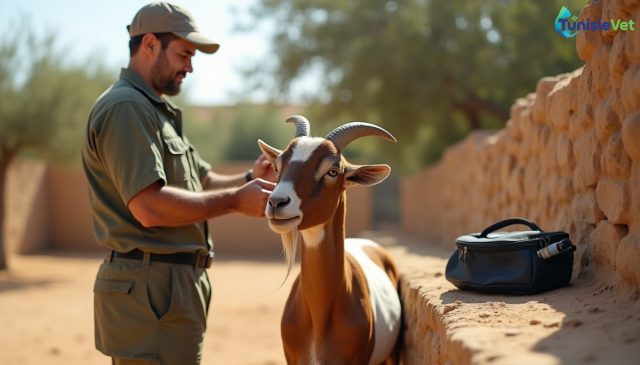
A feverish animal that is lethargic and refusing to eat are signs that prompt many livestock farmers to start antibiotic treatment immediately. Yet when misused, these medicines lose their effectiveness and promote antibiotic resistance. This article explains how to recognize a bacterial infection, select the right antibiotic class, follow dosage guidelines for each species, and avoid the most common mistakes—particularly in hot climates where infections progress rapidly.
The TunisieVet app to care for your pet
Vets, adoption and products






1. Recognizing a Bacterial Infection in Animals
Not every sign of illness warrants an antibiotic. A bacterial infection is typically distinguished by a combination of signs rather than a single isolated symptom.
- Persistent fever accompanied by marked lethargy and loss of appetite.
- Discharge from the nose, eyes, or vagina that is thick and often yellowish or greenish.
- Wounds that swell, feel warm, ooze, or emit an unusual odor.
- Diarrhea with mucus or blood, especially when accompanied by fever.
- Sudden lameness with joint swelling, suggesting a localized infection.
In hot climates, bacteria multiply more rapidly and dehydration worsens the animal's condition within hours. A prompt veterinary consultation confirms whether the problem is truly a bacterial infection and not viral or parasitic, since antibiotics are completely ineffective against viruses.
2. Major Antibiotic Classes Used in Livestock
Each antibiotic class targets different bacteria and has its own rules of use. Mixing them or choosing randomly reduces their effectiveness and increases antibiotic resistance risk.
Penicillins
Widely used against respiratory, skin infections, and certain mastitis cases. They often require frequent injections because their duration of action is short.
Tetracyclines
Broad-spectrum and effective against many bacteria and some intracellular agents. Often chosen first-line in ruminants for respiratory conditions and tick-borne diseases.
Fluoroquinolones
Potent and fast-acting, reserved for severe or treatment-resistant infections. Their use should remain limited to preserve long-term efficacy.
Sulfonamides and Other Classes
Useful against certain digestive and urinary tract infections, sometimes combined with another active ingredient to strengthen action against resistant bacteria.
Choice of antibiotic class depends on infection type, animal species, and the farm's treatment history. A veterinarian is best positioned to guide this choice after examination or laboratory analysis.
3. Following Dosage Guidelines by Species
Antibiotic dosage in ruminants varies considerably based on weight, age, and species. An underdose fails to completely eliminate bacteria and actually promotes resistant strains. An overdose exposes animals to unnecessary side effects.
| Species | Key Consideration | Common Mistake |
|---|---|---|
| Cattle | Weigh the animal rather than estimate by sight | Underdosing heavy adult animals |
| Goats | Particular sensitivity to certain drugs | Applying a dose based on sheep guidelines |
| Sheep | Respect the interval between injections | Spacing doses too far apart |
| Young animals | Adjust dose for rapid growth | Keeping the same dose over several weeks |
It is essential to recalculate the dose for each new treatment, especially in young animals whose weight changes quickly. The volume injected per site should also remain reasonable to prevent abscesses at the injection point.
4. Treatment Duration and the Importance of Completing Therapy
Stopping treatment as soon as the animal appears better is one of the most widespread mistakes. The most resistant bacteria often survive longer than early clinical signs suggest.
- Complete the full prescribed treatment course, even if the animal seems recovered before it ends.
- Never interrupt treatment to "save" leftover product.
- Record treatment start and end dates for each treated animal.
- Consult your veterinarian if no improvement is visible after several days of ongoing treatment.
An incomplete course often sets the stage for relapse that is harder to treat the next time.
5. Side Effects and Precautions
Side effects from veterinary antibiotics remain generally rare when dosage is respected, but they do occur and warrant monitoring.
- Digestive upset: temporary diarrhea or appetite loss, especially with oral treatment.
- Local reactions: swelling or pain at the injection site.
- Allergic reactions: rare but possible, requiring immediate cessation and veterinary advice.
- Digestive imbalance in ruminants, whose rumen flora can be disrupted by prolonged treatment.
The withdrawal period before milk or meat consumption, set for each product, must always be scrupulously observed for consumer safety.
6. Preventing Antibiotic Resistance Daily
Antibiotic resistance develops gradually, treatment after treatment, when best practices are not followed.
- Never use an antibiotic without prior confirmation of a bacterial infection.
- Avoid reusing leftover treatment from one animal to another without professional advice.
- Rotate antibiotic classes only on veterinary recommendation.
- Strengthen prevention: pen hygiene, ventilation, water and feed quality.
- Isolate sick animals to limit spread and reduce reliance on herd-wide treatment.
In hot climates, good water hygiene and sufficient shade reduce heat stress, a factor that aggravates many infections.
7. When to Consult a Veterinarian Without Delay
Certain situations require professional advice immediately rather than empirical home treatment.
- High fever combined with profound lethargy or complete refusal to drink.
- No improvement after several days of ongoing treatment.
- Multiple similar cases appearing in the herd over a short time.
- Uncertainty about whether the illness is bacterial, viral, or parasitic.
For treating infection in goats, sheep, or cattle, professional guidance allows precise adjustment of the antibiotic, dose, and duration. You can locate a practitioner through Tunisia's veterinarian directory to obtain a reliable diagnosis before any antibiotic treatment.
Summary
- Confirm a bacterial infection before considering antibiotics.
- Match the antibiotic class and dosage to the animal species and actual weight.
- Complete the full prescribed treatment course, even with rapid improvement.
- Monitor for side effects and observe withdrawal periods.
- Limit antibiotic resistance through hygiene, isolating sick animals, and systematic veterinary consultation.
Frequently Asked Questions
Can I give an antibiotic without veterinary advice?
This is not recommended, as choosing the wrong drug or dose increases antibiotic resistance risk. Prior diagnosis confirms that this is truly a bacterial infection treatable with antibiotics.
How long does a typical antibiotic course last in ruminants?
Duration varies depending on the drug and infection severity, but must always be completed, even if symptoms disappear before the end. Stopping too early risks relapse and more resistant bacteria.
What is the best way to reduce antibiotic resistance on my farm?
Reserve antibiotics for confirmed bacterial infections, strictly follow dosage guidelines, and strengthen overall farm hygiene. Promptly isolating sick animals also reduces reliance on herd-wide treatments.
Leave a comment
Be the first to comment on this article.
