
Deworming Schedule for Livestock: A Seasonal Guide

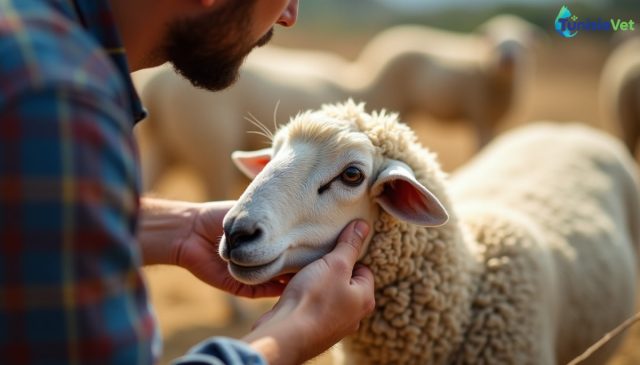
A well-planned deworming schedule for livestock is one of the pillars of ruminant health, but it has to be used wisely: treating too often encourages resistance, while treating too rarely lets worms and coccidia weaken the herd. In a climate that's hot and dry for much of the year, with wetter spells that favour larval development on pasture, a seasonal deworming strategy should follow the rhythm of the seasons rather than a fixed routine. This practical guide helps farmers know when to treat, how often, and which warning signs to watch for before reaching for treatment at all.
Why deworming should follow the climate, not a fixed calendar
Internal parasites — gastrointestinal roundworms, liver and stomach flukes, coccidia — have development cycles closely tied to temperature and humidity. Intense, dry heat reduces larval survival on grass, while cooler, damper periods (late autumn, winter, early spring) are far more favourable to them. Deworming ruminants effectively means factoring in:
- rainfall and soil moisture on grazed plots;
- the age of the animals (young stock are more vulnerable, especially to coccidiosis);
- stocking density relative to available grazing area;
- the farm's parasite history.
Sticking to a fixed-date treatment schedule without accounting for these factors leads to two pitfalls: under-treating at the wrong moment or over-medicating unnecessarily, both of which speed up the development of resistance to deworming products.
A seasonal calendar to keep worms under control in hot climates
Hot, dry season
When heat is intense and prolonged, roundworm larvae survival on pasture drops sharply. This is often a period when parasite pressure naturally decreases — provided animals aren't clustering around water points or shaded, damp areas, which remain contamination hotspots even during hot weather.
Rainy season and cooler spells
As soon as moisture returns — autumn rains, prolonged morning dew, a wet spring — conditions become favourable again for larvae to develop on grass. This is generally when vigilance should be at its highest, with closer monitoring of clinical signs and, where needed, targeted rather than blanket treatment.
Principles for building your own schedule
- Treat at-risk animals first (young stock, females in late pregnancy or lactation, weakened animals) rather than dosing the whole herd systematically.
- Space out treatments to leave a susceptible parasite population on pasture, which limits the selection of resistant parasites.
- Rotate grazing areas where possible, to break the parasite cycle.
- Adjust frequency based on herd observation rather than sticking to a rigid year-round routine.
Internal parasites in sheep and goats: signs to watch for
The most common internal parasites in sheep and goats are digestive roundworms and coccidia, particularly in young animals. Early detection avoids unnecessary treatment of unaffected animals. Signs that should alert farmers include:
- progressive weight loss despite normal access to feed;
- diarrhoea, sometimes with blood in cases of coccidiosis;
- dull coat or fleece, general lack of vitality;
- slower growth in young animals or reduced milk yield in adults;
- pale mucous membranes (eyelids, gums), a possible sign of anaemia linked to certain worms.
When these signs appear, a faecal exam carried out by a professional confirms the presence of parasites and helps choose the most suitable treatment, rather than treating blindly.
Coccidiosis: prevention beats emergency treatment
Effective coccidiosis prevention relies mainly on farm hygiene, since coccidia spread via the faecal-oral route and thrive in damp, overcrowded environments. A few simple measures greatly reduce the risk:
- keep shelters, bedding and feeders clean and as dry as possible;
- avoid overcrowding, especially for recently weaned young stock;
- isolate sick young animals to limit contamination of the group;
- ensure permanent access to clean, fresh water, changed regularly.
Coccidiosis mainly affects young animals during stressful periods (weaning, transport, feed changes): these moments call for closer monitoring, even without routine treatment.
Seasonal deworming treatment: best practices to avoid over-medicating
A well-judged seasonal deworming treatment relies on a few simple rules that apply to most ruminants:
- Only treat animals that genuinely need it, identified through clinical observation or faecal analysis.
- Follow recommended doses based on the animal's weight, avoiding both under- and over-dosing.
- Rotate drug families over time, on professional advice, to limit resistance.
- Keep some untreated animals in the herd where appropriate, to preserve a susceptible parasite population.
- Record every treatment given (date, product, animals treated) to build a useful history for future decisions.
This approach keeps worms in livestock in hot climates under control over the long term without multiplying interventions, protecting both treatment effectiveness and the farm's economic health.
When should you call a vet for livestock parasite health?
Whenever clinical signs persist, affect several animals at once, or if you're unsure about the best treatment choice, a professional opinion remains the safest way to manage livestock parasite health effectively and responsibly. A faecal exam and personalised follow-up allow the deworming schedule to be tailored to each herd's actual situation rather than a generic routine. You can browse the directory of vets for sheep or vets for goats for guidance suited to your farm, or explore the full list of livestock specialist vets near you.
Should you deworm the whole herd at once?
No, this generally isn't recommended. Treating only the animals showing signs or a proven risk, rather than the entire herd as a matter of routine, limits the development of resistance while still providing effective protection. A professional can help identify which animals should be treated first.
Leave a comment
Be the first to comment on this article.
