
Veterinary Antiparasitic: How to Read the Label Step by Step


A veterinary antiparasitic should be read like a prescription: target species, weight, duration and precautions determine how safe the treatment is. This practical guide helps you decode the veterinary medicine label, understand dosing by weight for dogs and cats, recognise side effects and adapt your routine to hot weather.
The TunisieVet app to care for your pet
Vets, adoption and products



1. Identifying the Indication and Target Species
Before anything else, read the "target species" section. A product designed for dogs can be dangerous for cats: some molecules tolerated by one species are toxic to the other. Never share a product between species, even "by reducing the dose".
Which parasite are you targeting?
- External parasites: fleas, ticks, lice, mites causing mange or ear infections.
- Internal parasites: roundworms, tapeworms, intestinal parasites.
- Heartworm: parasites transmitted by mosquitoes in some regions; prevention should be decided with your vet based on your area.
Some products cover several categories, others only one. Check that the indication matches the problem you have observed.
2. Understanding Dosing by Weight
The dose depends on the animal's actual weight, not its age or apparent size. The label lists weight ranges, each linked to a pipette, tablet or precise volume.
Example of calculation, without a fixed figure
Suppose the label lists two tablets of different sizes, one for animals up to a certain weight, the other for heavier animals. You weigh your dog on a scale, identify its range, then give the matching tablet. If the dog falls between two ranges, do not cut the tablet at random: ask for advice.
| Situation | Risk | Good practice |
|---|---|---|
| Weight estimated by eye | Wrong range, under- or overdosing | Weigh the animal, at the vet's if needed |
| Animal at the edge of a range | Doubt about the right product | Ask a professional for advice |
| Puppy, kitten or frail animal | Minimum age or weight not reached | Check the minimum age stated on the label |
| Several animals at home | Mixing up products | One product, one dose, one animal |
Weigh again before each treatment, especially for a young animal still growing.
3. Duration, Frequency and Method of Administration
The label specifies whether the treatment is a single dose or must be repeated, and the interval between doses. Note the date of each administration in a notebook or on your phone.
- Read the instructions: oral route, skin application, collar or injection.
- Part the fur to apply a pipette to the skin, between the shoulder blades, out of reach of the tongue.
- Give the tablet with a little food if the label allows it.
- Do not combine several products without veterinary advice.
4. Possible Side Effects of Antiparasitics
The side effects of antiparasitics in animals are described in the "adverse reactions" section. The most commonly mentioned are digestive disturbances (drooling, vomiting, diarrhoea), irritation at the application site or temporary tiredness.
When to see a vet without delay?
- Tremors, convulsions or abnormal gait.
- Repeated vomiting or marked lethargy.
- Swelling, extensive redness, difficulty breathing.
Bring the packaging and the leaflet: they help the vet identify the active molecule.
5. Precautions, Especially in Hot Climates
- Storage: keep the product away from heat and light, as stated on the label. A car or a sunny windowsill should be avoided.
- Heat: in intense heat, avoid treating during the hottest part of the day and make sure your animal has shade and fresh water.
- Bathing: respect the delay indicated between application and bathing or shampooing.
- Contact: wash your hands and keep children from stroking the animal until the product is dry.
- Pregnant females, elderly or sick animals: seek your vet's advice before any administration.
For small rural farms, apply the same logic: check the species, the weight, the withdrawal period for milk or meat indicated on the label if applicable, and never reuse a product intended for another species.
6. When to Ask a Veterinarian
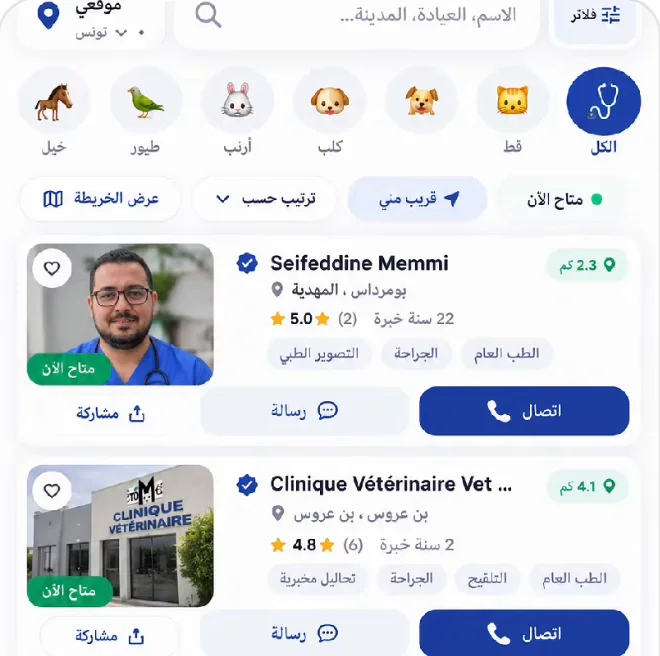
If the label seems unclear, if the animal is very young or if the treatment is not working, consult a professional. You can find a veterinarian in our directory of professionals near you. For a dog, a veterinarian specialised in dogs can help you choose the right product.
In Summary
- Check the species, the indication and the minimum age before buying.
- Weigh the animal and choose the matching weight range.
- Record treatment dates and respect the interval.
- Monitor the animal and consult if any abnormal sign appears.
- Store the product away from heat.
Frequently Asked Questions
Can I give a dog antiparasitic to a cat?
No. Some dog products contain molecules that are toxic to cats. Only use a product whose label states the species.
How often should an antiparasitic be renewed?
It depends on the product and the parasite targeted. The label gives the interval; your veterinarian adapts it to the animal's lifestyle.
What should I do in case of overdose?
Contact a veterinarian quickly, giving the product name, the dose and the animal's weight. Keep the packaging at hand.
Mastering how to read the label of a veterinary antiparasitic protects your animals. If in doubt, a consultation remains the best course of action.
🎬 Watch the video
Leave a comment
Be the first to comment on this article.
