
Bathing Dogs and Cats: Ideal Frequency and Proper Technique

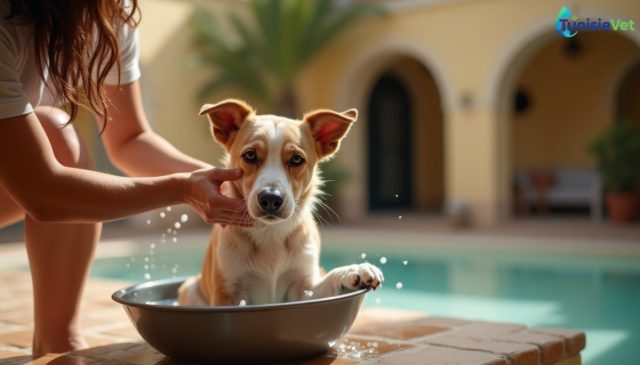
Bathing your dog or bathing your cat may seem like a simple task, but done incorrectly, it can irritate the skin, stress the animal, or damage the coat. Knowing how to properly wash your pet based on coat type, age, and health makes all the difference, especially in a hot climate where the skin is already under strain from sun, sand, and sweat. This practical, timeless guide gives you the essential guidelines for an effective, safe, and stress-free bath.
How Often Should You Really Bathe Your Pet?
The ideal bathing frequency for pets mainly depends on lifestyle and coat type, not a fixed schedule.
- Short-haired dogs: a bath every few weeks is usually enough, unless they get very dirty outdoors.
- Long-haired or double-coated dogs: a slightly more frequent routine helps limit tangles and remove dead hair, in addition to regular brushing.
- Cats: most cats groom themselves and only need an occasional bath (very long coat, an older cat that grooms less effectively, or an exceptional situation such as a heavily soiled coat).
Washing too often strips away the skin's natural protective layer and can cause dryness, itching, and dandruff. On the other hand, a pet that's never bathed builds up dirt, odors, and sometimes parasites. The right balance is judged by the condition of the coat and skin, not by a one-size-fits-all rule.
Pet Bathing Techniques: Step-by-Step Best Practices
To master proper pet bathing techniques without stressing or hurting your companion:
- Brush your pet before the bath to remove dead hair and undo tangles, which tighten once wet.
- Use lukewarm water, never hot or cold, especially in a hot climate where the animal may already be slightly overheated after sun exposure.
- Wet the coat gradually, avoiding the eyes, ears, and muzzle.
- Apply a suitable shampoo and massage gently without scrubbing harshly, focusing on the dirtiest areas (paws, belly, hindquarters).
- Rinse thoroughly: leftover shampoo residue is one of the leading causes of skin irritation.
- Dry with an absorbent towel, then let the coat finish air-drying in a warm spot, away from drafts.
Special Cases: Puppies, Kittens, Senior or Sick Pets
Young animals, seniors, and pets recovering from illness need extra care: a shorter bath, comfortably warm water, and quick, thorough drying to prevent chilling. If your pet has a skin condition, a wound, or is undergoing treatment, it's best to seek advice before bathing, as an unsuitable shampoo could worsen existing inflammation.
Sensitive Skin in Hot Weather: Key Precautions
Managing sensitive pet skin in hot weather requires a few simple but important adjustments:
- Avoid bathing your pet during the hottest hours of the day; morning or late afternoon is best.
- Dry the coat completely before heading outside, as trapped moisture in a dense coat encourages irritation and odor.
- Keep an eye on skin folds, armpits, and groin areas, which are more prone to moisture buildup during hot weather.
- Moisturize the skin if it looks dry or flaky after bathing, using a product specifically designed for animal use.
After a swim in the sea or a pool, rinsing with clean water is recommended: salt and chlorine dry out both skin and coat if not properly washed off.
Choosing the Right Natural Pet Shampoo
Choosing the right product matters just as much as technique. A natural pet shampoo, formulated without harsh fragrance or irritating ingredients, is particularly well suited to sensitive or reactive skin. A few helpful pointers:
- Always use a shampoo specifically designed for dogs or cats: their skin pH differs from that of humans, and a human product can cause lasting irritation.
- Never use a dog shampoo on a cat, as their sensitivity to certain substances is not the same.
- Choose a gentle, hypoallergenic formula if your pet has reactive skin, recurring itchiness, or a fragile coat.
- Do a patch test on a small area whenever you switch products, to catch any reaction before applying it all over.
If, despite proper bathing, you notice redness, excessive scratching, localized hair loss, or a persistent odor, it's worth seeking professional advice to rule out an underlying cause such as parasites or an allergy. You can browse the directory of veterinarians for dogs or veterinarians for cats to get a diagnosis and personalized recommendations.
How Often Should You Really Bathe an Outdoor Cat?
A cat that goes outdoors regularly usually grooms itself very well and doesn't need frequent baths, unless it comes home very dirty or covered in something sticky. An occasional bath, only when truly necessary, is enough for the vast majority of healthy cats.
Need a professional opinion? If in doubt or in an emergency, find a veterinarian near you on TunisieVet.
Leave a comment
Be the first to comment on this article.
