
Dog and Cat Bathing: A Safe Guide to Stress-Free Washing

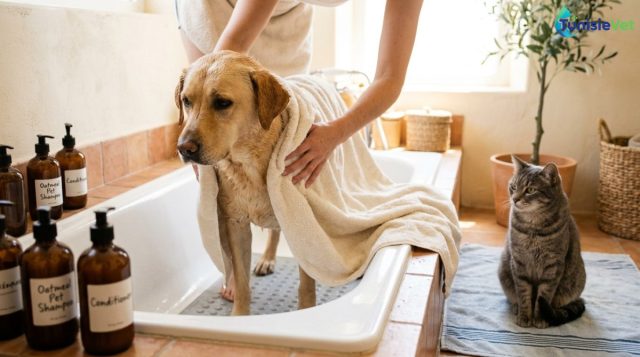
What is the right bathing frequency for dogs and cats in hot climates, and how can you wash your pet without causing stress? The answer lies in a few simple principles: adapt the bathing schedule to the season, use a natural pet shampoo suited to the species, and dry your animal thoroughly before any exposure to sunlight or air conditioning. This guide walks you through each step of safely and effectively cleaning your pet.
1. Why Heat Changes Bathing Rules
In hot climates, dogs' and cats' skin sweats less but becomes dirtier due to dust, sand, and sweat accumulating on paw pads and skin folds. An animal that spends time outdoors or on walks accumulates residue that encourages irritation and odors. Bathing becomes both a hygiene necessity and a comfort measure—provided you don't further dry out skin already stressed by heat.
Conversely, bathing too frequently strips away the skin's natural protective lipid film, which can cause itching, flaking, and dull fur. The balance lies between keeping your pet clean and respecting the natural skin barrier.
2. How Often Should You Bathe Your Dog or Cat in Hot Climates
There is no one-size-fits-all rule: bathing frequency depends on coat type, lifestyle, and season. Here are general guidelines for hot climates like Tunisia's.
| Type of Pet | Recommended Frequency | Summer Considerations |
|---|---|---|
| Short-haired dog | Every four to six weeks | Lukewarm rinses between full baths can cool the animal without stripping the skin |
| Long-haired or double-coated dog | Every three to four weeks | Brush thoroughly beforehand to prevent mats that trap moisture |
| Cat (general) | Rarely, unless necessary (heavy soiling, long fur, skin condition) | Cats groom themselves; frequent bathing disrupts their natural temperature regulation |
| Small mammals (rabbit, guinea pig) | Bathing discouraged unless veterinary advice | Use spot cleaning with a damp wipe instead |
These guidelines are not absolute: a dog that swims regularly in the sea or pool, or rolls in dirt, may need more frequent rinsing than these general numbers suggest.
3. Preparing a Stress-Free Bath
Stress during bathing often stems from poor preparation rather than the water itself. A few simple steps significantly reduce your pet's anxiety.
- Brush your pet before bathing to remove dead hair and untangle mats, which become painful when wet.
- Choose a calm time of day, away from the hottest hours, to avoid thermal shock when your pet exits the bath.
- Place a non-slip mat at the bottom of the tub or wash basin to secure your pet's footing.
- Use lukewarm water, never hot or cold, tested on your inner wrist beforehand.
- Speak softly and reward your pet during and after the bath to create a positive association with bathing.
Special Considerations for Cats
A cat needs a bath only in specific situations: fur soiled with sticky substances, excess weight preventing proper self-grooming, or a veterinary prescription for a skin condition. In these cases, work gently and gradually, wetting the body progressively without ever submerging the head.
4. Bathing Your Pet: Step-by-Step Technique
- Wet your pet gradually, starting from the body and moving toward the head, avoiding the eyes, ears, and nose.
- Apply a natural pet shampoo specifically formulated for dogs or cats—never use human shampoo, which disrupts the skin's pH balance.
- Massage gently to create an even lather, paying special attention to the dirtiest areas (paws, belly, rear end).
- Rinse thoroughly: poorly removed shampoo residue is the leading cause of skin irritation after bathing.
- Squeeze out excess water with your hands before using a towel to reduce drying time.
For floppy-eared breeds, which trap moisture easily, careful drying of the ear flap prevents ear infections, which are common in hot, humid climates.
5. Safe Drying: Preventing Thermal Shock
Drying is the most frequently overlooked step, yet it determines your pet's comfort and health after bathing.
- Use an absorbent towel, patting rather than rubbing, to avoid tangling the fur.
- If using a hair dryer, set it to low heat and keep it at a safe distance to prevent skin burns.
- Never leave a wet pet in direct air conditioning or in front of a strong fan, which can cause muscle cramps or localized chilling.
- Do not take a damp dog outside into intense heat: moisture combined with sunlight intensifies heat stress.
- Ensure skin folds, paw pads, and the inner ear are completely dry before allowing your pet to resume normal activities.
6. Choosing the Right Natural Pet Shampoo
Your choice of shampoo directly affects your pet's skin comfort, especially in hot climates where skin is already under stress.
| Need | Shampoo Type | Usage Tip |
|---|---|---|
| Sensitive or dry skin | Gentle formula, fragrance-free | Choose natural, soothing ingredients like oatmeal |
| Long coat or prone to matting | Detangling shampoo or paired conditioner | Apply after thorough brushing |
| Puppies or kittens | Shampoo formulated for young animals | Always verify age-compatibility on the label |
| Itching or flaking | Medicated shampoo on veterinary advice | Do not combine with other products without professional guidance |
Even mild human shampoo is not recommended: animal skin pH differs significantly, and repeated use can weaken skin over time.
7. Common Mistakes to Avoid
- Bathing your pet immediately after a meal, which can cause digestive discomfort.
- Leaving standing water in the ears, which creates a breeding ground for infections.
- Using water that is too hot, which dries the skin and worsens itching.
- Skipping thorough rinsing, leaving residue that irritates skin in the following days.
- Forcing a panicked pet to continue rather than pausing and trying again when calm.
If despite these precautions your pet develops redness, unusual hair loss, or persistent scratching after bathing, consult a professional. It is recommended to find a veterinarian through the directory of dog veterinarians or cat veterinarians to rule out allergies or underlying skin conditions.
To select an appropriate product, a wide range of dog products and cat products allows you to compare available natural formulas.
Summary
- Adjust bathing frequency based on coat type and season—neither too often nor too infrequently.
- Prepare your pet (brushing, lukewarm water, calm environment) for a stress-free bath.
- Use a natural pet shampoo formulated for the species; never use human products.
- Dry thoroughly before exposure to sunlight, air conditioning, or wind.
- Consult a veterinarian if skin reactions persist after bathing.
Frequently Asked Questions
How often should I bathe my dog in a hot climate?
A short-coated dog typically tolerates bathing every four to six weeks; long-coated dogs may need bathing slightly more often. In hot climates, a simple lukewarm rinse can cool your pet between full baths without damaging the skin.
Should I bathe my cat regularly?
No, cats groom themselves and need a bath only in specific cases—significant soiling or veterinary prescription. Frequent bathing disrupts the natural balance of the skin and coat.
What is the safest way to dry my pet after bathing?
Pat the coat dry with an absorbent towel, then use a hair dryer on low heat at a safe distance if needed. Your pet should never remain wet under air conditioning or go outside while still damp in intense heat.
By following these principles, bathing your dog or cat becomes a simple, safe, and beneficial routine for both hygiene and well-being. When in doubt about a skin reaction or unusual behavior, consulting a veterinarian through the veterinarian directory is always the best choice.
Leave a comment
Be the first to comment on this article.
