
Ruminant Health Checkups: Essential Examinations to Schedule

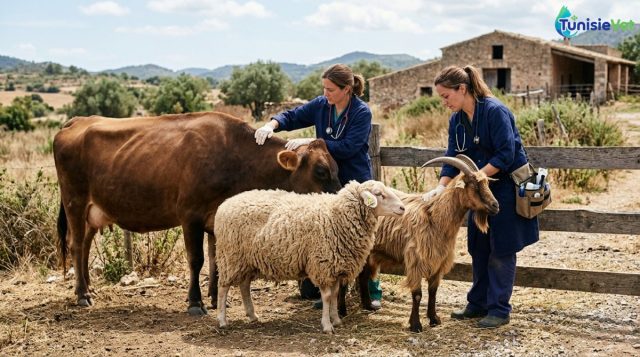
A ruminant health checkup consists of scheduling a series of simple clinical examinations at regular intervals to detect parasitism, nutritional deficiencies, and reproduction problems early on. In goats, sheep, and cattle, this preventive approach helps avoid costly emergencies. This guide details which examinations to plan, how often to conduct them, and how to prepare your animal so that the veterinary visit is as beneficial as possible.
1. Why schedule a health checkup instead of waiting for an emergency
A sick ruminant often shows subtle signs before clinical collapse: herd animals naturally mask pain and weakness as a survival instinct against predators. Waiting for visible symptoms to appear means intervening too late, when treatment becomes more expensive and production losses have already occurred.
Scheduling regular health checkups allows you to catch weight loss, growth delays, or fertility problems before they become critical. It's also an opportunity to keep each animal's health record up to date, a valuable tool for tracking herd development over several years.
2. Essential clinical examinations never to overlook
General examination and body condition assessment
Body condition scoring, performed by palpating the spine and hip bones, reveals fat and muscle reserves. An excessively thin or obese animal faces increased risks during pregnancy or lambing.
Mucous membrane evaluation
Observing the coloration of eye or mouth mucous membranes helps detect anemia, often linked to internal parasite infestation. Pale mucous membranes should always alert the farmer and warrant further examination.
Abdominal and udder palpation
Palpation allows detection of bloating, suspicious masses, or early-stage mastitis. In lactating females, udder examination is an integral part of routine checkups.
Respiratory and cardiac auscultation
Auscultation detects abnormal sounds suggesting pneumonia or cardiac problems, which are common in young animals stressed by weaning or transport.
3. Additional examinations based on age and physiological status
Beyond the basic clinical examination, certain controls should be tailored to the animal's situation:
- Fecal analysis: screening for internal parasite eggs, particularly important after winter housing and before spring grazing.
- Pregnancy monitoring: confirmation of pregnancy and stage estimation, useful for organizing lambing surveillance.
- Hoof examination: preventive trimming and screening for lameness, especially important in housed animals or on wet floors.
- Dental inspection: checking tooth wear in older animals to ensure they can still feed properly.
- Temperature measurement: a simple but essential procedure for any animal showing lethargy or refusing food.
4. How often to schedule veterinary visits
The ideal frequency depends on the species, management system, and animal's physiological status. The following table offers general guidelines to adapt with your veterinarian based on your herd size and management.
| Animal Category | Recommended Frequency | Primary Objective |
|---|---|---|
| Breeding females (goat, sheep, cow) | Before breeding and before lambing/calving | Confirm fertility, anticipate complications |
| Growing animals | At weaning then regular follow-up | Monitor growth and parasitism |
| Older or culled animals | Twice yearly | Detect dental wear and lameness |
| Entire herd | Seasonal transitions (housing and grazing periods) | Reassess body condition and parasite risk |
5. How to prepare the animal and records for the visit
A scheduled veterinary visit is most effective when the animal and information are prepared in advance. Here are the steps to follow:
- Calmly separate and restrain the animal the day before or on the day of the visit, in a clean and dry space, to minimize stress during handling.
- Gather the health record with vaccination dates, deworming treatments, and disease history.
- Note recent observations: appetite changes, lameness, coughing, or decreased milk production.
- Prepare a fresh fecal sample if parasitic analysis is planned, kept cool until the veterinary visit.
- Inform the veterinarian in advance of the number of animals to examine and the main reason for the visit, so they can prepare appropriate equipment.
6. Common mistakes that undermine prevention
Certain habits reduce the effectiveness of ruminant health checkups:
- Waiting until an animal is visibly sick before calling the veterinarian, instead of scheduling preventive visits.
- Neglecting apparently healthy animals, which may be silent carriers of parasites or disease.
- Failing to repeat fecal analysis after antiparasitic treatment, preventing verification of treatment effectiveness.
- Not isolating newly introduced animals before complete examination.
- Delaying hoof trimming until obvious lameness appears, when regular checks could prevent the problem.
Summary
- Schedule ruminant health checkups at each key stage: before breeding, at weaning, and during seasonal transitions.
- Always combine general clinical examination, mucous membrane inspection, and targeted palpation based on animal age.
- Prepare the health record and fecal sample before your scheduled veterinary visit.
- Don't treat only sick animals: ruminant health prevention requires monitoring the entire herd.
- Contact a professional at the first sign of anything unusual rather than waiting for conditions to worsen.
Frequently Asked Questions
How often should I schedule a ruminant health checkup?
A general checkup at each seasonal transition is a good foundation, supplemented by targeted visits before breeding and weaning. The exact frequency depends on your herd size and should be determined with your veterinarian.
Can I perform some examinations myself before the veterinary visit?
Yes, farmers can observe body condition, mucous membrane color, and feeding behavior daily. These observations facilitate the veterinarian's work but do not replace clinical examinations and laboratory analysis.
What should I do if one of my animals shows unusual signs between scheduled checkups?
Never wait for the next scheduled visit: isolate the animal and contact a veterinarian promptly. An isolated sign may herald a problem that could soon affect the entire herd if left untreated.
Regular examinations remain the best guarantee of a healthy herd and a peaceful farming operation. To organize a ruminant health checkup suited to your farm, consult the directory of livestock veterinarians near you.
Leave a comment
Be the first to comment on this article.

TunisieVet in your pocket 📱🐾 Access your veterinary services wherever you are. [ Download the app ]
Learn more