
Pet Health Checkups: The Complete Beginner's Guide

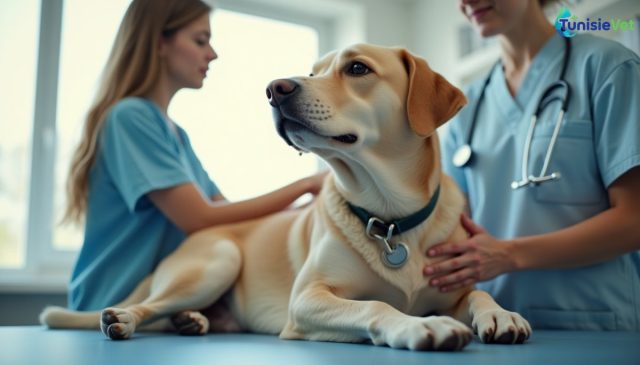
Pet health checkups are one of the best habits you can build to protect your animal's wellbeing over the long run. Many owners only think about a vet visit once a symptom shows up, yet a preventive checkup often catches a problem before it becomes serious. This practical guide covers what you need to know, the most common mistakes, and the right habits to adopt, whether you're a first-time owner or a livestock keeper.
Why health checkups matter so much
A health checkup isn't just for sick animals. It's a full examination that checks the animal's overall condition: weight, teeth, coat or feathers, eyes, ears, digestive system, heart, and behaviour. Animals tend to hide discomfort, so many signs of illness stay hidden for a long time. Regular checks help spot problems that aren't obvious day to day, such as gradual weight gain or loss, a heart murmur, or early joint discomfort.
The veterinary advice given during these visits also helps you adjust diet, activity levels, or daily habits according to your animal's age and condition.
How often should a checkup happen?
The ideal frequency depends on the species, age, and health status of the animal, but a few general rules almost always apply:
- An annual checkup for an adult animal that appears healthy.
- More frequent visits for young, growing animals, or for older animals, who are more prone to chronic conditions.
- Closer monitoring for animals already diagnosed with a condition (diabetes, kidney failure, joint problems, etc.).
- A visit as soon as you notice a change in behaviour, appetite, or activity level, rather than waiting for the yearly appointment.
The special case of livestock farms
For farmers, group health checkups across a herd or flock play a key role in preventing contagious diseases. Regularly monitoring body condition, reproduction, and group behaviour makes it possible to act quickly if a problem arises and stop it from spreading.
Common mistakes to avoid
Some widespread habits actually undermine how effective health checkups can be:
- Waiting for visible symptoms: many diseases progress silently, and waiting for a clear sign wastes valuable time.
- Ignoring weight changes: even a small weight shift is often the first indicator of an underlying imbalance.
- Losing track of medical history: not keeping records from previous visits makes long-term monitoring harder.
- Underestimating behavioural signals: an animal that's less active, less sociable, or eating differently always deserves attention.
- Spacing out checkups for older animals: this is actually the age when visits should become more frequent, not less.
Getting ready for the vet visit
To get the most out of a health checkup, a few simple habits make a real difference:
- Write down any recent changes you've noticed (appetite, behaviour, activity, digestion).
- Bring along existing health records (vaccination booklet, previous test results).
- Avoid feeding your animal right before certain exams if you're asked to.
- Prepare your questions in advance so you don't forget anything on the day.
- Stay calm during the exam: your attitude directly affects your animal's behaviour.
A complete checkup is also the perfect opportunity to get personalised veterinary advice on diet, parasite prevention, or daily care suited to your animal. To find a professional near you and schedule this follow-up, check out the directory of veterinarians available near you.
Which signs mean you shouldn't wait for the annual checkup?
Prolonged loss of appetite, unusual fatigue, repeated vomiting or diarrhoea, limping, or difficulty breathing should always prompt a quick visit, without waiting for the next scheduled appointment. These signs can point to a problem that needs immediate care.
Leave a comment
Be the first to comment on this article.

TunisieVet in your pocket 📱🐾 Access your veterinary services wherever you are. [ Download the app ]
Learn more