Snake Bite in Rural Tunisia: Lessons from the Jendouba Case

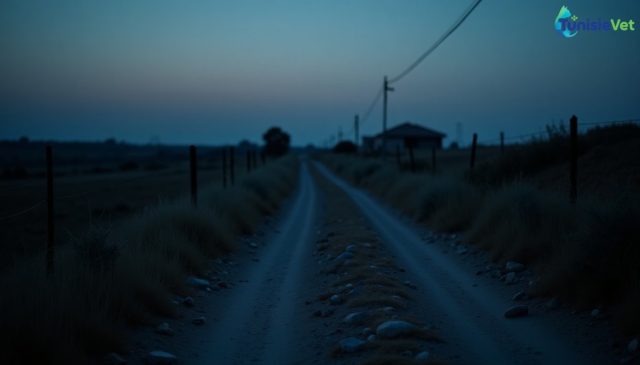
A snake bite can turn a simple evening walk into a life-threatening emergency. In Tunisia, a recent incident in the Jendouba governorate is a stark reminder of how much a patient's outcome depends on how quickly treatment begins after envenomation. A young man in his twenties was rushed to the intensive care unit of Jendouba's regional hospital in the middle of the night after being bitten on the leg while walking home through a poorly lit rural area. This episode highlights the very real challenges of rural health and risk management faced by farmers, livestock breeders, and countryside residents.
What the Jendouba Case Reveals
According to reports, the incident took place as the young man was walking home at night through a poorly lit part of the Jendouba governorate. Shortly after being bitten on the leg, he began showing symptoms that required urgent medical attention. He was transported to hospital by Civil Protection units, with help from local residents on the scene. On arrival, medical staff assessed his condition as concerning.
The patient was then given antivenom serum and placed under close medical observation to prevent possible complications from the envenomation. This sequence of events illustrates the chain of actions required in such cases: quickly recognising symptoms, alerting emergency services, arranging transport, and providing specialised treatment in intensive care.
Why Rural Areas Are Particularly at Risk
Countryside paths, farm surroundings, dimly lit trails, and livestock areas are places where encounters with snakes are more likely, especially at dusk and after dark. Farmers, agricultural workers, and rural residents are therefore a population particularly exposed to this type of risk, often while walking in the dark or working outdoors.
This kind of exposure is a reminder of just how closely animal health and human health are linked in rural settings: the presence of livestock, farm buildings, and grazing land creates a shared environment with wildlife, snakes included.
What to Do in Case of a Snake Bite: Essential First Steps
When a venomous snake bite is suspected, a few widely recommended precautions can help prevent the situation from worsening while waiting for help to arrive:
- Stay calm and keep the bitten limb as still as possible to slow the spread of venom
- Call emergency services or Civil Protection immediately, as was done in Jendouba
- Do not attempt to suck out venom or cut the wound yourself
- Get to a medical facility with an intensive care unit as quickly as possible
- Watch for symptoms such as pain, swelling, or feeling unwell while waiting for help
The Jendouba case shows how the joint efforts of Civil Protection and local residents allowed for a swift transfer to hospital, a decisive factor in treating envenomation.
A Prevention Issue for Farmers and Rural Communities
Beyond the immediate medical emergency, this event is a reminder of the importance of everyday risk management for people living or working in rural areas. Adjusting nighttime routines, lighting up pathways to homes and livestock buildings, and staying alert during outdoor work are all common-sense measures to reduce the chances of an unexpected encounter with a snake.
For livestock breeders, this vigilance also extends to animals: both livestock and pets can fall victim to snake bites too. If there's any doubt about an animal's health after time spent outdoors, it's best to consult a professional quickly. The veterinarian directory can help you find a nearby practitioner for advice or appropriate care.
What to Do If You're Bitten by a Snake in a Remote Area?
The priority is to call emergency services immediately and get to, or be transported to, the nearest hospital with an intensive care unit, just as happened in Jendouba. While waiting for help to arrive, keep the affected area as still as possible and avoid performing any non-medical procedures on the wound.
Leave a comment
Be the first to comment on this article.