Vet Visit Checklist: Your Complete Guide to Getting Started

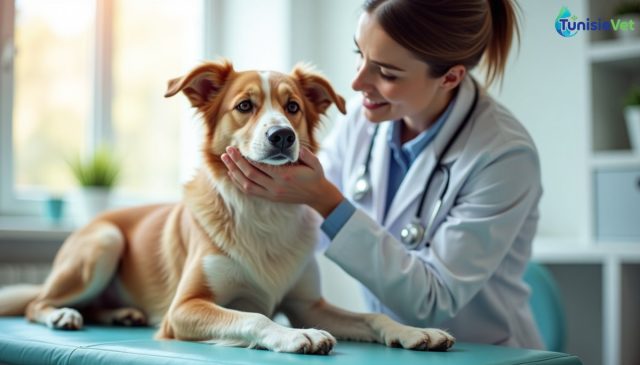
A well-prepared vet visit makes all the difference for your animal's health. Whether you own a cat or a dog, or you're a first-time livestock owner, knowing how the appointment unfolds, what to bring, and which questions to ask helps you get the most out of it. This practical guide covers the essential veterinary advice you need to approach this moment calmly, with the right habits and without the most common mistakes.
Why and when to schedule a vet visit
A vet visit isn't only for emergencies. It can be preventive (an annual health check, vaccination, growth monitoring) or curative (an unusual symptom, an injury, a change in behavior). Planning ahead rather than waiting for a problem to worsen is always the best approach for any owner or breeder.
- Routine visit: growth monitoring, vaccines, deworming, dietary advice.
- Symptom-driven visit: loss of appetite, limping, lethargy, digestive issues.
- Emergency visit: trauma, breathing difficulties, signs of severe pain.
Preparing for the appointment: a step-by-step guide
Good preparation helps the vet save time and reach a diagnosis more quickly.
- Gather the necessary documents: health record, vaccination booklet, previous test results.
- Write down the symptoms you've observed: how long they've lasted, how often they occur, and under what circumstances.
- Keep an eye on eating habits and behavior: changes in appetite, thirst, activity level, or sleep.
- Plan suitable transport: a carrier for a cat or small animal, a sturdy leash for a dog.
- Arrive a few minutes early so your animal has time to settle down in the waiting room.
- Waiting until symptoms get worse before seeking help.
- Forgetting to mention an ongoing treatment or self-medication.
- Not reporting a recent change in diet or environment.
- Overstressing the animal right before the trip, which can skew certain readings (heart rate, behavior).
- Describe the symptoms accurately, without downplaying or exaggerating them.
- Ask about the diagnosis, the proposed treatment, and any possible alternatives.
- Request clear explanations about dosage and treatment duration.
- Don't hesitate to ask for prevention tips to avoid a recurrence.
- Stick closely to the prescribed dosage and treatment duration.
- Monitor how symptoms evolve and note any changes, whether positive or negative.
- Reach out again if your animal's condition doesn't improve within the expected timeframe.
- Keep all documents provided (prescription, report) in your animal's health record.
For farm animals (poultry, sheep, goats, cattle), it's best to arrange easy and safe access to the animal before the vet arrives, and to have information ready about the herd or group concerned.
Common mistakes to avoid
During the visit: what to do
The conversation with the vet is a key moment. Here's how to get the most out of it:
A good conversation also allows you to cover diet, lifestyle, and your animal's overall wellbeing, beyond the initial reason for the visit.
After the visit: following up properly
Post-visit follow-up matters just as much as the appointment itself:
If you're new to raising or adopting an animal, making a habit of regular check-ups with a qualified professional remains the best way to prevent health issues rather than dealing with them in an emergency. You can browse the vet directory to find a practitioner suited to your animal and your needs.
How often should you see a vet?
There's no single rule that applies to every animal, but an annual health check is generally recommended for healthy adult pets. Young animals, older animals, or those with a chronic condition need more frequent monitoring, to be worked out with the treating vet.
Leave a comment
Be the first to comment on this article.