Vet Consultation Guide: How to Get Started Right

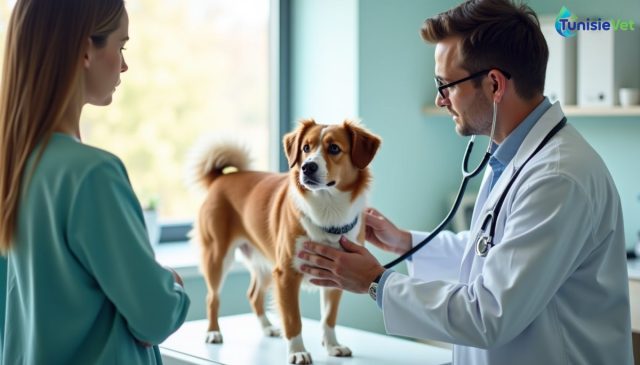
A successful veterinary consultation begins well before you walk into the clinic—it requires preparation, understanding, and careful follow-up. This practical guide explains how to organize a consultation, avoid common mistakes, and adopt the right habits, whether you're a pet owner or livestock keeper. You'll learn what to observe, what to bring, and what questions to ask.
1. Why and when to schedule a consultation
A veterinary visit isn't just for emergencies. Regular check-ups help detect problems early, adjust nutrition, and keep vaccinations current. Even a seemingly healthy animal benefits from periodic examinations, since certain issues (dental disease, joint problems, parasites) aren't obvious in daily life.
Several situations warrant prompt scheduling: behavioral changes, loss of appetite, limping, persistent diarrhea, wounds that won't heal, or simply your own concerns. When in doubt, it's always better to consult than to wait.
Routine consultation or emergency visit?
A routine consultation is scheduled in advance and focuses on prevention: vaccinations, deworming, health checks. An emergency consultation addresses sudden or concerning symptoms and should never be postponed.
2. Preparing your appointment
A successful consultation depends on both the veterinarian and your preparation. Here's what to gather before you go:
- Your animal's health or vaccination record, if you have one.
- A list of observed symptoms, with their approximate onset dates.
- Recent changes in diet, environment, or routine.
- A fresh stool sample if digestive issues are suspected.
- Appropriate transport: a cat carrier for cats or small animals, a short leash and harness for dogs, a halter for farm animals.
For livestock and poultry, it's helpful to note how many individuals are affected, when signs first appeared, and any deaths observed—this information strongly guides diagnosis.
3. What happens during a typical consultation
Veterinarians follow a structured approach that's useful to understand at each stage.
- Medical history (anamnesis): questions about your animal's background, lifestyle, and reported symptoms.
- General physical examination: observing overall condition, taking temperature, listening to the heart and lungs, and feeling for abnormalities.
- Additional tests if needed: lab work, imaging, or samples based on observed signs.
- Diagnosis and explanation: the veterinarian presents findings and answers your questions.
- Treatment plan and follow-up advice: medication, dosage, dietary or behavioral recommendations.
Never hesitate to ask for clarification if medical terminology is unclear—a well-understood consultation is one that's properly followed.
4. Common mistakes to avoid
Certain habits, though unintentional, complicate the veterinarian's work and delay diagnosis.
- Waiting too long to seek help, hoping the problem resolves on its own.
- Leaving out details you think are unimportant, like a recent diet change.
- Giving treatment without professional advice, which can mask symptoms needed for diagnosis.
- Bringing a stressed or untrained animal, which complicates the physical exam.
- Not following the prescribed dosage, either by overdosing or stopping treatment too soon.
5. Tailoring consultations to your animal type
Needs and challenges differ significantly between pets and livestock.
| Animal Type | Recommended Check-up Frequency | Key Focus Area |
|---|---|---|
| Dog or Cat | At least once yearly | Vaccines, dental health, weight |
| Rabbit, Hamster, Guinea pig | One to two times yearly | Tooth growth, nutrition |
| Poultry (chicken, duck, turkey) | Herd monitoring, as needed | Unusual deaths, parasites |
| Cattle, Sheep, Goats | Regular monitoring based on herd size | Reproduction, body condition |
For livestock operations, consultations may also happen on-site, with the veterinarian observing housing, water, and feeding conditions that directly impact herd health.
6. After the consultation: maintaining the follow-up
The consultation doesn't end when you leave the clinic. Proper follow-up often determines treatment success:
- Strictly follow the prescribed dosage and treatment duration.
- Watch how symptoms evolve and note any changes.
- Get back in touch if your animal doesn't improve within the timeframe given.
- Keep all documents provided (prescriptions, test results) for future consultations.
This careful follow-up is an essential part of good veterinary care applied day-to-day.
Summary
- Schedule routine consultations—don't treat all visits as emergencies.
- Bring health records, a symptom list, and appropriate transport.
- Be thorough and accurate when sharing information with your veterinarian.
- Avoid self-treatment and respect prescribed dosages.
- Follow up after your appointment and consult again if you're unsure.
Frequently asked questions
How often should I take my animal to the vet?
For a healthy pet, an annual check-up is generally recommended. Older animals or those with chronic conditions benefit from more frequent visits, which should be discussed with your veterinarian.
Can I help my anxious animal before a vet visit?
Yes, it helps to acclimate your animal to its carrier or harness several days in advance. A calm environment and breaks during travel also reduce stress.
How long does a standard vet consultation take?
A routine consultation takes as long as needed for a thorough exam and discussion with you—there's no rush. More complex cases or additional tests may take longer.
Preparing well for a consultation gives your animal the best chance of a quick diagnosis and appropriate treatment. To find a veterinarian near you, check the veterinarian directory and make regular consultations a habit—it's a cornerstone of good animal health.
Leave a comment
Be the first to comment on this article.