Animal Export: Your Complete Getting Started Guide

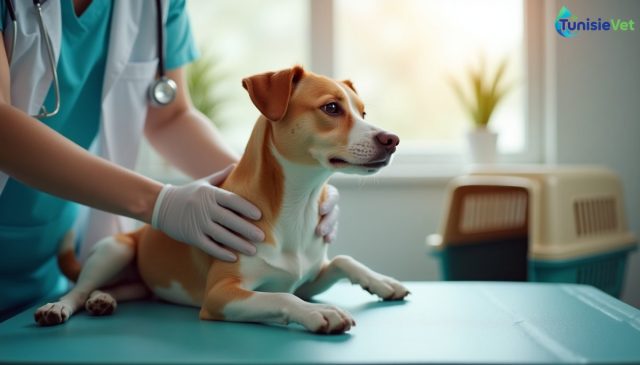
Exporting animals—whether livestock, horses, or pets—requires careful planning and isn't something to undertake lightly. Between health requirements, paperwork, and ensuring your animal's comfort during transport, every step matters. This practical guide is designed for new owners and breeders who want to understand the process, avoid common pitfalls, and develop the right habits before you begin.
Why Proper Preparation Matters for Animal Export
Exporting an animal is far more than booking transport. It's a process that affects your animal's health, compliance with destination country regulations, and often your reputation as a breeder or owner. Inadequate preparation can result in border rejection, extended quarantine, or forced return of the animal. Planning each step carefully helps you avoid unnecessary stress, unexpected costs, and preventable health risks.
Key Players to Involve from the Start
- A trusted veterinarian who can perform required examinations and issue necessary certificates.
- Relevant authorities responsible for animal health and border control.
- A specialist transporter experienced in moving live animals safely.
Essential Veterinary Advice Before Departure
Veterinary guidance is central to successful animal export. A healthy animal with proper medical oversight has significantly better chances of passing inspections smoothly and handling the journey comfortably.
Health Assessment and Vaccinations
Before any administrative steps, arrange a comprehensive health check with a professional veterinarian. This assessment confirms your animal is fit for transport and ensures vaccinations and antiparasitic treatments are current. Some vaccinations have strict timing requirements before travel—it's better to plan ahead than discover a last-minute issue that prevents export.
Animal Identification
Reliable identification—such as microchipping, marking, or other recognized methods depending on species—is typically a mandatory requirement for any international animal movement. This must be verified and documented before departure.
A Practical Guide to Administrative Steps
Each destination country has its own health regulations, which can vary by animal species. Here are the major steps typically involved in an export file:
- Research the specific requirements for your destination country (required documents, timelines, any restrictions).
- Schedule veterinary examinations as required, within the specified timeframes.
- Obtain the official health certificate proving your animal's fitness for travel.
- Prepare transport documents and verify your chosen transporter's conditions.
- Anticipate any quarantine period at arrival, if required by regulations.
It's strongly recommended to keep copies of all documents and contact relevant authorities well in advance, as processing times can be lengthy.
Common Mistakes to Avoid
Certain errors regularly occur among newcomers and can derail an entire export project:
- Underestimating timelines: Some documents or vaccinations must be completed weeks or even months before departure.
- Neglecting animal comfort during transport: A stressed or physically unprepared animal will struggle more during the journey.
- Overlooking species-specific requirements: Rules are never the same for a dog, horse, or livestock animal.
- Skipping professional veterinary consultation: Only a veterinarian can confirm your animal is truly fit to travel.
Animal Welfare During Transport
Your animal's wellbeing should remain a priority throughout the entire process. This includes:
- Transport space appropriate for your animal's size and species.
- Access to water and, for longer journeys, food as needed.
- Suitable ambient temperature, avoiding extreme heat or cold.
- Rest periods before and after travel, especially for long journeys.
Before taking any steps, consult a professional to evaluate your animal's suitability for travel and receive personalized guidance. You can find a qualified professional through this veterinarian directory, which lists practitioners who can guide you through the health and administrative requirements of animal export.
Animal Export: How Much Time Should You Plan?
There's no universal timeline, as it depends heavily on your destination country and animal species. As a general rule, start your preparations several weeks in advance to allow time for veterinary examinations, vaccinations, and official paperwork. It's always better to plan with a safety margin than risk a last-minute setback.
Leave a comment
Be the first to comment on this article.

Be among the first to use our app. Sign up and get early Google Play access.
Discover