
Veterinary Drug Leaflet: How to Read the Label and Act Safely


A veterinary drug leaflet should be read before every treatment: first check the species concerned, the indication and the instructions given by your veterinarian. Then locate the dosage, the precautions and, for farm animals, the withdrawal period that applies to food products. This step-by-step guide helps you go through the leaflet without mixing up its sections, prepare your questions and use a reading grid for any product.
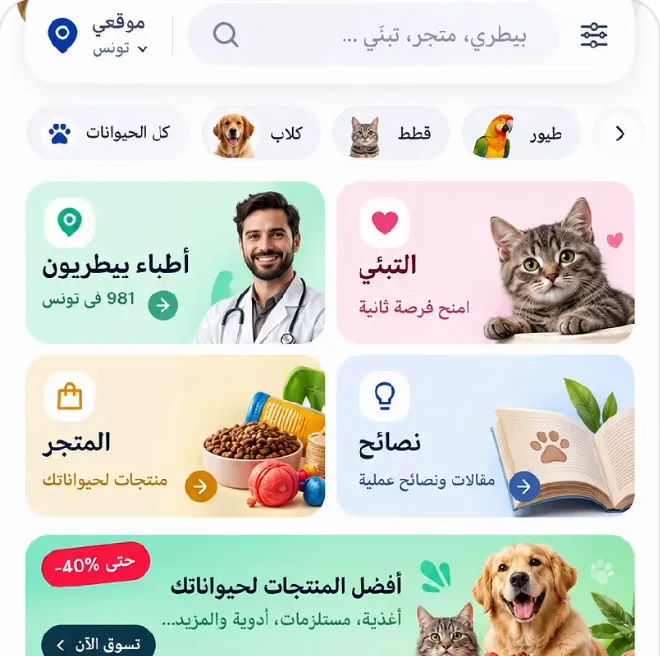
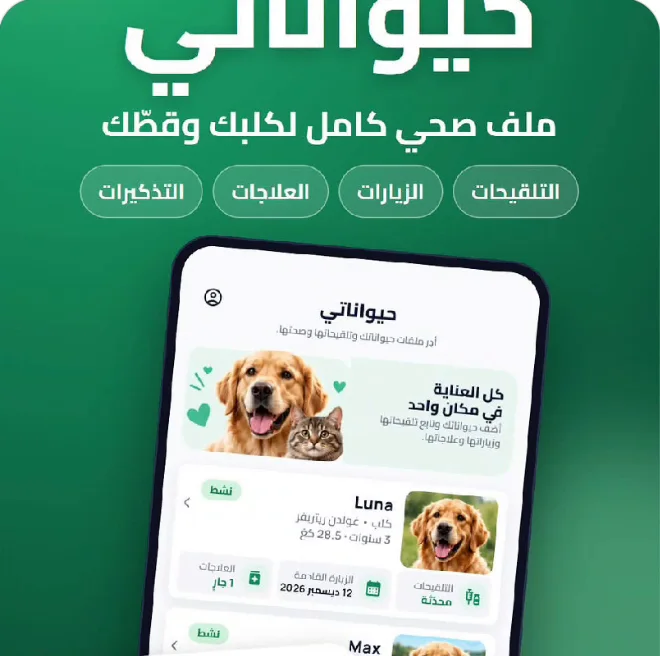
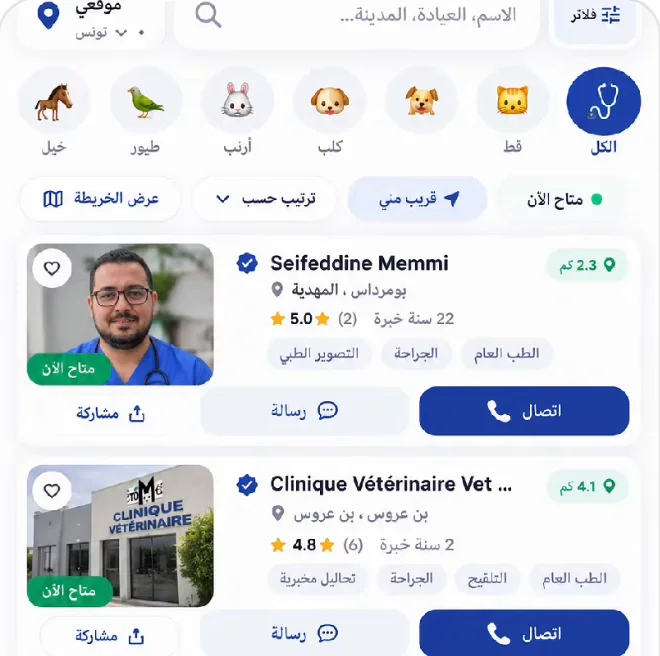
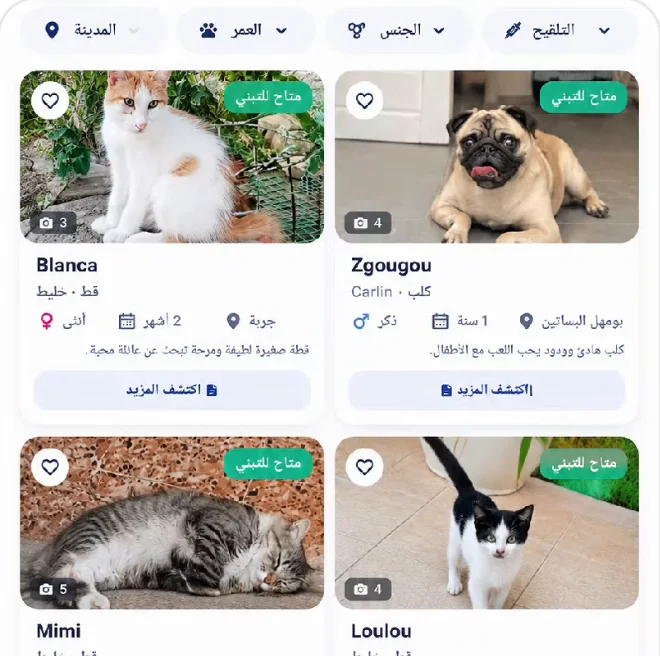
The TunisieVet app to care for your pet
Vets, adoption and products
1. Veterinary Drug Leaflet: Identifying the Right Product
Start by comparing the name of the medicine and its presentation with those on the prescription or the instructions you received. Also read the label on the packaging you have in hand: a leaflet kept separately may belong to a different presentation.
Identify the active substance, its concentration and the form of the product: tablet, solution, suspension or other preparation. These details matter for understanding how much to give. Two products with similar names are not necessarily interchangeable.
Check the expiry date, the condition of the packaging and the storage conditions. If the leaflet gives a shelf life after opening, note the opening date and respect that limit. Do not use the product if you have any doubt about how it has been stored or about its identity.
Species and Indication: The First Checks
The section on target species specifies which animals the product is intended for. The indication describes the situations in which it may be used. The presence of a symptom alone is not enough to confirm that the medicine is suitable: ask your veterinarian to specify the diagnosis and the treatment.
If the species, age or condition of your animal does not clearly match the leaflet, do not transpose the instructions. Any use outside the leaflet must be decided and supervised by a veterinarian.
2. Understanding the Dosage of Veterinary Medicine
The dosage of a veterinary medicine is not just a quantity. Note the dose, the route of administration, the frequency and the duration of treatment. Also check whether the leaflet gives specific instructions, particularly on preparing or administering the product.
- Dose: look for the quantity stated and the unit used. The leaflet may express the dose by body weight or specify an amount of product.
- Route: distinguish in particular between administration by mouth, on the skin or by injection. Never change the route on your own initiative.
- Frequency and duration: note when to give the treatment and until when, as prescribed.
- Preparation: check the instructions specific to the presentation, for example whether the bottle must be shaken before use.
A dose expressed in active substance does not necessarily correspond to a directly measurable quantity of product. The concentration and the animal's weight both come into play when reading the dose. If the conversion or measurement seems uncertain, ask your veterinarian to specify the amount to give.
Use the appropriate measuring device and have the technique confirmed if you have never performed it before. Do not split a tablet and do not mix a medicine into food without checking that the leaflet or your veterinarian allows it.
What to Do If a Dose Is Missed?
Consult the instructions in the leaflet and contact your veterinarian if they do not cover your situation. Do not double the next dose to make up for a missed one without professional advice. Note the time of the missed dose and the time of the last administration to make the discussion easier.
3. Side Effects and Precautions for Veterinary Use
The leaflet distinguishes contraindications, warnings and possible adverse effects. Read these sections before starting, even if the animal has already received a treatment with a similar name.
Tell your veterinarian about any other medicines or products given, as well as any known health problems. Also mention any pregnancy or lactation. This information helps them check the precautions for use suitable for the animal.
To spot side effects of a veterinary medicine, watch for any unusual change after administration and note when it appears. An observed sign does not on its own prove that the medicine is the cause. Nevertheless, inform your veterinarian and ask whether the treatment should be continued.
In case of breathing difficulty, distress or a reaction that seems serious, contact a veterinarian immediately. Do not induce vomiting and do not give another product without instructions. Keep the packaging and note the name of the medicine, the quantity given and the time of administration.
Protecting People and the Environment
Read the precautions intended for the person handling the product: the leaflet may ask you to avoid contact with the skin or eyes, or to wear protective equipment. Wash your hands after handling and store the medicine out of reach of children and animals.
Do not dispose of leftovers at random. Follow the instructions in the leaflet and ask your veterinarian or pharmacist how to return the product and its packaging.
4. Withdrawal Period for Farm Animals
The withdrawal period is the time that must elapse after treatment before certain products obtained from the animal may be used for human consumption. Look for this section for each food product concerned by your farm, in particular meat, milk or eggs depending on the species and the product.
Find the period that applies to the right species, the right route of administration and the food product concerned. A period stated for one food product must not be automatically applied to another. The absence of a clear indication does not allow you to assume that there is no withdrawal period.
If your veterinarian prescribes a use different from that described in the leaflet, ask them for the withdrawal period to observe in your situation. Before treatment, note the identity of the animal or batch, the product, the dates of administration and the date from which each food product may be used. When in doubt, wait for their confirmation before any food use.
5. Reusable Reading Grid Before and After Treatment
Copy this grid for each product. Complete it using the leaflet and your veterinarian's instructions, without leaving any uncertain box to become an assumption. For a batch, specify which animals are concerned.
| Section | What to Note | Question to Ask if in Doubt |
|---|---|---|
| Product | Name, form, concentration, expiry date and opening date | Is this the prescribed presentation and is it still usable? |
| Animal and indication | Identity or batch, species, reason for treatment | Is this treatment suitable for this animal and its situation? |
| Administration | Quantity to measure, route, frequency and duration | How do I measure and give each dose? |
| Monitoring | Precautions, signs to watch for and other products used | What should I do if a sign appears or a dose is missed? |
| Food products | Withdrawal period for each food product and end date | From when can each food product be used? |
Keep the grid with the prescription and the leaflet. Record the administrations actually carried out, not only those planned: this record will be useful if the veterinarian needs to reassess the treatment.
In Summary
- Check the product, the species and the indication before any administration.
- Note the prescribed quantity, route, frequency and duration.
- Read the contraindications and know which changes to report.
- For farm animals, confirm the withdrawal period specific to each food product.
- Keep the leaflet and your record within reach.
A veterinary drug leaflet helps you ask the right questions, but it does not replace an appropriate prescription. If you are unsure, consult the veterinarian directory to find a professional.
Frequently Asked Questions
Can I give the medicine prescribed for another animal?
No, not without veterinary advice. The species, weight, health condition and presentation of the product can change the decision and the administration instructions.
Can I stop the treatment as soon as the animal seems better?
Do not change the prescribed duration on your own initiative. Contact your veterinarian if the animal's condition changes or if you have difficulty continuing the treatment.
What should I do if the leaflet does not mention a withdrawal period?
Do not assume that food products can be used immediately. Ask your veterinarian to check the situation and wait for their answer before using them for consumption.
Leave a comment
Be the first to comment on this article.
