Foot-and-Mouth Disease Threat: Algeria's Crisis and Tunisia's Risk

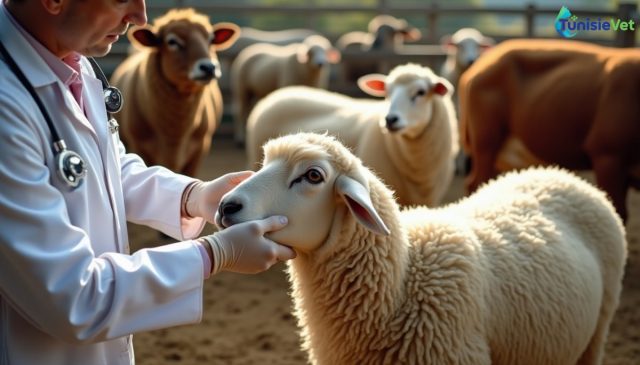
Foot-and-mouth disease has been officially confirmed in Algeria, with the Jijel province shutting down all livestock markets at the end of October 2026. For Tunisian farmers, the risk is very real: a single animal imported without veterinary oversight could be enough to spread the virus throughout a herd. This article breaks down what has happened, explains why Tunisia is directly at risk, and outlines the practical steps livestock owners should take immediately.
1. What happened in Algeria: The Jijel order of October 22, 2026
On October 22, 2026, the governor of Jijel province in northeastern Algeria issued an order closing all weekly livestock markets for cattle, sheep, and goats across the entire province, effective immediately. This decision was based on a letter from Algeria's General Directorate of Veterinary Services issued the same day, confirming the presence of foot-and-mouth disease based on results from the central veterinary laboratory.
The order goes much further than simply closing markets:
- Complete prohibition on the movement of livestock into or out of Jijel province.
- Within the province itself, all animal movements must be accompanied by an official health certificate specifying the species, number of animals, mode of transport, and route.
- Violators face penalties under the law.
The duration of these restrictions will depend on how the epidemiological situation evolves.
This is not a new issue
This outbreak is not an isolated incident. In January 2026, Algeria reported to the World Organization for Animal Health two outbreaks of foot-and-mouth disease type O in cattle in El Oued province, resulting in quarantine, animal movement controls, and a vaccination campaign. More concerning still: samples taken in late 2025 from Oum El Bouaghi revealed the presence of four different serotypes of the virus (O, A, SAT 1, and SAT 2), according to the world reference laboratory. Since 2025, the World Organization for Animal Health has reported that serotype SAT 1, historically confined to Africa, continues to spread far beyond its traditional range.
2. Why Tunisia is directly at risk
Foot-and-mouth disease does not recognize borders. Algeria and Tunisia share a long terrestrial border, have established livestock trading networks, and have climate conditions favourable to virus transmission. Recent history proves this: in 2022, Algeria reported outbreaks of serotype O approximately three months after cases appeared in Tunisia. Both countries are regularly affected one after the other, which should alert all Tunisian farmers as soon as an outbreak is confirmed on the Algerian side.
The primary risk to Tunisia's livestock comes from the introduction of animals whose origin is unknown and that have received no veterinary inspection. A sheep or cow that appears healthy may carry the foot-and-mouth disease virus without showing any visible symptoms at the time of sale. It is precisely this type of animal—purchased without a health certificate or proper traceability—that represents the most likely pathway for the virus to enter a Tunisian herd.
3. Recognizing the signs of foot-and-mouth disease
Foot-and-mouth disease affects cattle, sheep, and goats. It manifests through relatively characteristic signs that farmers need to spot quickly.
| Sign observed | Description | Urgency level |
|---|---|---|
| Fever | High body temperature, lethargy, loss of appetite | High |
| Oral blisters | Vesicles or small sores in the mouth, on the tongue or lips | High |
| Lesions between hooves | Vesicles or sores between the hooves on the feet | High |
| Excessive drooling | Abundant, stringy saliva due to oral pain | Medium to high |
| Lameness | Animal reluctant to move, due to foot lesions | High |
| Drop in milk production | Sudden decline in lactation in females | Medium |
When several of these signs appear together, especially affecting multiple animals in the same herd at the same time, immediate action is required.
4. What every Tunisian farmer should do right now
Faced with this health alert, a few simple, practical rules can significantly reduce the risk to a livestock operation.
Before making any purchase
- Never buy an animal whose origin is unclear.
- Always demand a health certificate issued by a veterinarian or official veterinary services.
- Be wary of sheep or cattle sold outside normal channels with no documented history.
When a new animal arrives
- Always isolate any newly acquired animal, keeping it separate from the rest of the herd.
- Observe the animal closely during a quarantine period before mixing it with the existing herd.
- Watch for fever, blisters, drooling, or lameness during this isolation period.
If you have any doubts
- Call a veterinarian or regional veterinary services immediately at the first sign of anything suspicious.
- Do not move suspect animals or allow them to mix with other herds while awaiting professional assessment.
- Ask a veterinarian about vaccination options appropriate for your region and herd.
A prompt diagnosis by a professional is the best protection for an entire herd. For any questions or suspicions, it is strongly recommended to consult a veterinarian specializing in sheep, who can direct you to the appropriate authorities if needed.
5. No danger to consumers
It is important to reassure the general public on one essential point: foot-and-mouth disease poses no risk to human health. Human infection remains possible but extremely rare. This disease is fundamentally a veterinary and economic problem for farmers, not a food safety risk for consumers of meat or dairy products.
In summary
- An order has closed livestock markets in Jijel province, Algeria following official confirmation of foot-and-mouth disease.
- Algeria and Tunisia are regularly affected by this disease, often one after the other.
- Never purchase a sheep or cow without a known origin and health certificate.
- Isolate and monitor any new animal before integrating it into your herd.
- Contact a veterinarian immediately at the first suspicious sign, without moving the animals.
Frequently asked questions
Is foot-and-mouth disease dangerous to humans?
No, foot-and-mouth disease poses no danger to human health. Human infection remains possible but extremely rare, according to health authorities.
What are the main signs of foot-and-mouth disease in animals?
The main signs are fever, blisters in the mouth and between the hooves, excessive drooling, lameness, and a drop in milk production. If any of these signs appear, contact a veterinarian immediately without moving the animal.
Is it safe to buy sheep from Algeria without risk?
Any animal purchase must absolutely include a documented origin and a health certificate issued by official veterinary services. Without these guarantees, there is a real risk of introducing the virus into a herd.
Sources
- World Reference Laboratory for Foot-and-Mouth Disease (WRLFMD)
- ESA Platform
- World Organization for Animal Health (WOAH)
- Allodocteurs
Collective vigilance remains the best tool against foot-and-mouth disease spread. If you have any concerns about your herd's health, do not wait: consult a local veterinarian promptly for a reliable diagnosis.
Leave a comment
Be the first to comment on this article.