
Bleeding in Animals: How to React Quickly and Safely
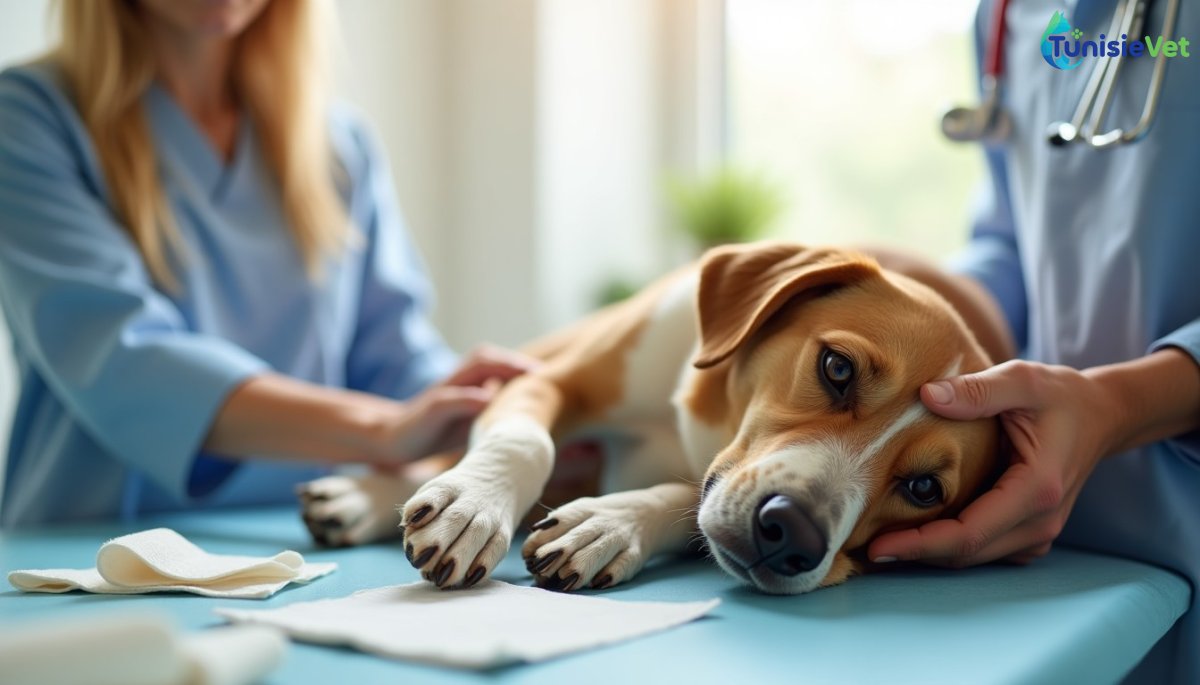
A bleeding episode in a pet or farm animal is always a stressful moment for their owner. Whether it's a minor cut or a more serious wound, knowing how to react calmly and methodically can truly make a difference. This practical guide brings together essential veterinary advice to help you understand what bleeding actually is, recognise worrying signs, and take the right steps while waiting for professional care.
Understanding what bleeding is
Bleeding, or hemorrhage, occurs when blood is lost, whether visibly (an external wound) or internally (not visible to the eye, but which may show up as weakness, pale gums, or sudden lethargy). The causes vary widely: an accidental injury, a scratch from another animal, a cut from a sharp object, a fall, or a complication linked to an underlying illness. In every case, uncontrolled blood loss can quickly weaken an animal's body, regardless of species.
External vs internal bleeding
- External bleeding: blood is visible on the skin, fur, or floor. It's easier to spot and often simpler to control in an emergency.
- Internal bleeding: more insidious, it can't be seen directly but may show up as extreme fatigue, rapid breathing, pale gums, or a swollen belly. It always requires prompt veterinary attention.
The right steps to take when an animal is bleeding
When faced with external bleeding, a few simple, universally recommended actions can help limit the risks while you get to a vet:
- Stay calm: animals pick up on their owner's stress, which can make them more agitated.
- Secure the animal: approach slowly, speaking in a soothing voice, to avoid sudden movements that could worsen the injury.
- Apply pressure to the wound: press a clean cloth or gauze pad directly onto the bleeding area, applying firm, steady pressure.
- Keep the pressure on: avoid lifting the cloth too soon to check, as this can restart the bleeding; add another layer on top if needed rather than removing it.
- Elevate the injured area if possible and if it doesn't cause the animal additional pain.
- See a vet promptly, even if the bleeding seems to have stopped, to assess how deep the wound is and check the risk of infection.
Common mistakes to avoid
Some instinctive reactions can actually make things worse:
- Cleaning the wound with unsuitable products (alcohol, harsh disinfectants) that can irritate the tissue and delay healing.
- Pulling out an embedded object (deep splinters, sharp objects lodged in the wound): doing so can restart or worsen the bleeding. It's best to stabilise the animal and let a professional handle it.
- Underestimating internal bleeding just because there's no visible blood. An animal that seems listless after a shock or a fall should always be examined.
- Waiting to "see if it passes": even a wound that looks minor can hide a deeper injury, especially in small animals or young ones.
A special note for livestock owners
The same level of vigilance applies to farm animals: any animal with an open wound, a limp accompanied by bleeding, or signs of weakness should be separated from the rest of the herd, kept quiet, and examined as soon as possible. Keeping the surrounding environment clean (bedding, pens) also plays an important role in reducing the risk of infection while waiting for treatment.
When should you seek emergency veterinary care?
Certain signs should prompt immediate action:
- Heavy bleeding that doesn't slow down despite pressure.
- Pale or whitish mucous membranes (gums, inside of the eyelids).
- Marked weakness, or fast, shallow breathing.
- A deep or extensive wound, or one located near a joint, the eye, or the abdomen.
In these situations, don't wait: contacting a professional right away is always the safest choice. You can check the vet directory to quickly find a practitioner near you.
Bleeding in animals: what's the first thing to do?
The first step is to firmly press a clean cloth onto the wound to limit blood loss, while keeping the animal calm. If the bleeding is heavy, doesn't stop after a few minutes of pressure, or the animal shows signs of weakness, contact a vet right away.
Remembering these simple steps can help you handle a bleeding emergency with much more confidence, whether you're a pet owner or a livestock keeper. Prevention is also a valuable ally: keeping your animal's environment safe, storing sharp objects out of reach, and keeping an eye on risky areas all help reduce everyday accidents.
Leave a comment
Be the first to comment on this article.