Striped Hyena: A Threatened Wild Species We Must Protect

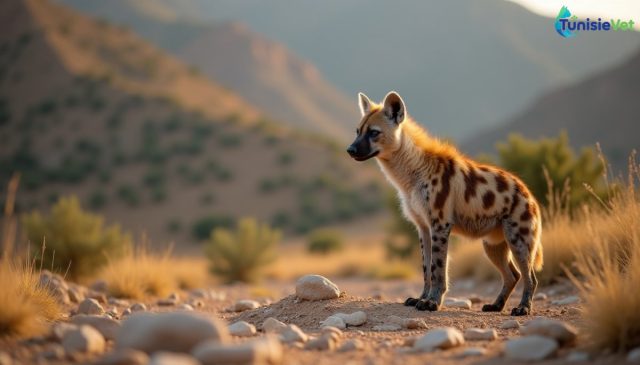
The striped hyena is one of the most misunderstood yet threatened large wild predators across the Mediterranean basin and the Middle East. Elusive and often the victim of unjustified prejudice, this species nonetheless plays a vital ecological role. Understanding its behavior, the threats it faces, and the right steps to take if you encounter an injured wild animal allows everyone to contribute, in their own way, to biodiversity conservation.
Portrait of a Discreet and Misunderstood Predator
Contrary to common misconceptions, the striped hyena is not an aggressive animal toward humans. Above all, it is an opportunistic scavenger, feeding on the remains of dead animals, small vertebrates, insects, and occasionally plants. Its distinctive striped coat, pointed ears, and characteristic silhouette make it easily recognizable, yet its nocturnal and solitary lifestyle means it is rarely spotted.
This natural cleanup behavior is invaluable for ecosystems: by consuming carcasses, the striped hyena limits disease spread and contributes to the sanitary balance of the surrounding wildlife.
A Habitat Increasingly Under Pressure
Like many large wild mammals, the striped hyena is experiencing habitat loss due to urbanization, agricultural expansion, and fragmentation of the mountainous and semi-arid zones it traditionally inhabits. This reduction in available habitat sometimes forces the species to venture closer to human settlements, increasing the risk of human-wildlife conflict or accidents.
Why Is This Species Threatened?
Several cumulative factors explain the decline of striped hyena populations across their range:
- Destruction and fragmentation of their natural habitat
- Vehicle collisions on roads crossing their territory
- Poaching or retaliatory killings based on unfounded fears regarding livestock
- Depletion of available natural prey
- Widespread public misunderstanding about the species' true ecological role
These combined pressures classify the striped hyena as a conservation-dependent species in several regions where it is found.
What to Do If You Discover an Injured Wild Animal?
Encountering an injured, weakened, or disoriented striped hyena is rare but possible, especially in rural or mountainous areas. In such cases, a few common-sense principles apply—guidelines that are valid for wildlife in general:
- Maintain a safe distance: even when weakened, a wild animal may react unpredictably out of fear or pain.
- Never attempt to handle it alone: capturing and transporting a wild animal requires specific expertise and equipment.
- Alert the appropriate authorities: forest services, wildlife protection organizations, or local environmental authorities are the proper contacts.
- Avoid feeding or approaching the animal, as this could increase its stress or encourage dangerous habituation to human presence.
- Secure the area by keeping children and domestic animals at a safe distance until trained personnel arrive.
These same precautions apply to any injured wild animal encountered in rural areas: jackals, birds of prey, tortoises, or other local species. Caution and involving trained professionals remain the best protection for both the animal and the human.
Coexisting with Wildlife: Essential Practices
To reduce tensions between human activities and the presence of large wild predators, several simple and universally recommended measures can be implemented:
- Secure livestock enclosures (sheep, goats, poultry) with sturdy fencing, especially at night
- Avoid leaving food waste or carcasses exposed near dwellings
- Report any unusual wildlife observations to local nature conservation organizations
- Educate those around you, especially children, to respect wildlife rather than fear it
Livestock farmers concerned about their animals' safety in areas with wild predators can also consult a professional to improve protection strategies for their herds or poultry: a veterinarian specializing in sheep care or, more broadly, the veterinarian directory can help you find a local expert for any questions about animal health or biosecurity.
Is the Striped Hyena Dangerous to Humans?
No: the striped hyena is naturally a timid animal that avoids contact with humans. Attacks are extremely rare and occur almost exclusively when the animal is cornered, injured, or trapped. Remaining calm and keeping your distance is sufficient in virtually all cases.
Leave a comment
Be the first to comment on this article.