
Dangerous Human Medications: Complete Safety Guide for Pet Owners

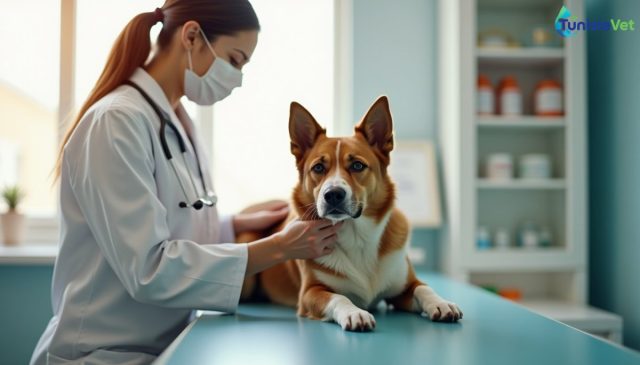
A busy pet owner reaching for a tablet from their medicine cabinet often thinks they're helping. Yet many dangerous human medications remain highly toxic to dogs, cats, and other companion animals, even in small doses. This practical guide brings together essential veterinary advice to recognize risks, avoid common mistakes, and respond correctly when accidents happen.
1. Why Are Human Medications Risky for Animals?
An animal's metabolism differs fundamentally from that of a human. An active ingredient well-tolerated by a person can accumulate in a dog or cat's body and cause severe poisoning.
The liver and kidneys of companion animals don't always eliminate substances the same way humans do. Certain molecules, harmless to us, can transform into toxic compounds once digested by a domestic carnivore.
- Enzymatic differences between species.
- Body weight often far lower than an adult human's.
- Special sensitivity in certain breeds or young animals.
2. Main Categories of Dangerous Human Medications
Certain drug categories deserve heightened awareness in any household with a pet.
Pain relievers and anti-inflammatory drugs
Human nonsteroidal anti-inflammatory drugs can cause severe digestive ulcers and kidney damage in dogs and especially cats, who are particularly sensitive.
Antidepressants and anti-anxiety medications
These treatments affect the central nervous system and can cause excessive sedation, tremors, or heart rhythm disturbances if accidentally ingested by an animal.
Cold and cough remedies
Some decongestants and syrups contain dangerous stimulating substances capable of causing rapid heart rate and significant agitation.
Vitamins and supplements in tablet form
Even products perceived as harmless, such as certain vitamin supplements, can become toxic with overdosing, particularly for small animals.
| Type of human medication | Primary risk for animals | Signs to watch for |
|---|---|---|
| Common pain reliever | Digestive or kidney damage | Vomiting, loss of appetite |
| Anti-anxiety or antidepressant | Sedation, heart problems | Abnormal drowsiness, tremors |
| Decongestant | Excessive heart stimulation | Agitation, rapid breathing, fast pulse |
| Vitamin overdose | Digestive or liver toxicity | Diarrhea, lethargy |
3. Common Mistakes by Beginner Pet Owners
Many poisoning cases occur through lack of information rather than deliberate negligence.
- Assuming a dose "adjusted to weight" makes a human medication safe for an animal.
- Leaving tablets within reach on a coffee table or in a handbag.
- Giving leftover personal medication to ease what appears to be pain in your pet.
- Confusing pediatric human formulations with doses suitable for animals.
- Storing medications in the same drawer as treats or kibble.
4. Smart Prevention Habits
Prevention remains your best defense against dangerous human medications.
- Always store medication boxes in a locked cabinet, out of reach.
- Never administer human medication without consulting a veterinary professional.
- Monitor handbags, nightstands, and accessible work surfaces.
- Educate all household members, including children, about the risks of sharing tablets.
- Keep original packaging to quickly identify the product if accidental ingestion occurs.
5. What to Do After Accidental Ingestion
Quick action often determines the outcome of a poisoning. Stay calm while acting fast.
- Remove your animal immediately from the source of medication.
- Note the product name, approximate quantity ingested, and time of exposure.
- Never induce vomiting without professional guidance—some substances cause more harm coming back up.
- Contact a veterinarian without delay to describe the situation accurately.
For any question or concern, it's always best to consult qualified veterinarians near you, who can assess severity and recommend appropriate care.
Summary
- Dangerous human medications can cause severe poisoning in animals, even in small doses.
- Pain relievers, anti-anxiety drugs, and decongestants are among the highest-risk categories.
- Secure storage is the most effective prevention habit.
- Never give human medication to an animal without professional advice.
- When in doubt, contact your veterinarian immediately—it's always the safest choice.
Frequently Asked Questions
Can you give human pain medication to a dog or cat?
No, this is strongly discouraged without professional guidance. Many human pain relievers cause serious digestive or kidney damage in companion animals.
How do you know if your pet has swallowed a dangerous medication?
Signs include vomiting, unusual drowsiness, tremors, or loss of appetite. When in doubt, contact a veterinarian promptly rather than waiting for symptoms to worsen.
Where should you store medication to prevent pet accidents?
Store medications in a locked cabinet, elevated and out of reach of curious animals. Regularly check bags, pockets, and clothing for any stray tablets.
Keeping the risks of dangerous human medications in mind helps prevent many household accidents. When in doubt, professional guidance remains the safest way to protect your pet's health.
Leave a comment
Be the first to comment on this article.

TunisieVet in your pocket 📱🐾 Access your veterinary services wherever you are. [ Download the app ]
Learn more