
Human Medications Toxic to Pets: The Complete Safety Guide

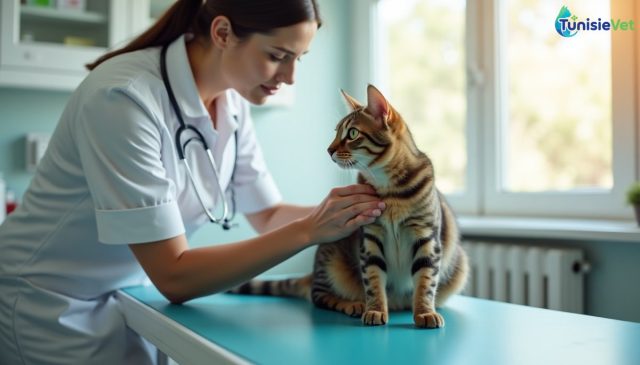
Human medications toxic to pets are among the most common causes of accidental poisoning in companion animals and livestock alike. A medicine cabinet left open, a pill dropped on the floor, a well-meaning attempt to "help" a suffering animal: the situations that lead to poisoning are often ordinary and entirely preventable. This practical guide explains which common medications are dangerous, why mix-ups happen so easily, and above all how to prevent them effectively, whether you're caring for a cat, a dog, chickens, or a herd of livestock.
Why human medications are dangerous for animals
An animal's metabolism differs profoundly from that of a human being. A molecule perfectly well tolerated by a person may be broken down too slowly, converted into a toxic substance, or attack vital organs directly in an animal. The liver and kidneys, responsible for clearing substances from the body, don't respond the same way across species: something harmless for an adult human can trigger serious organ failure in a cat, a dog, or a chicken.
An animal's body weight also plays a major role: a dose that seems tiny by human standards can amount to a massive dose relative to the body weight of a small dog, a rabbit, or a bird.
Paracetamol (acetaminophen) toxicity in dogs and cats: an underestimated danger
Paracetamol is probably the clearest example of acetaminophen toxicity in dogs and cats. This medication, found in nearly every household, is extremely toxic to cats, whose bodies cannot process it properly: even a small amount can cause severe poisoning affecting the blood and liver. In dogs, the safety margin is somewhat wider but still narrow, and giving it "by guesswork" without veterinary advice is always risky.
Ibuprofen and anti-inflammatories: a very real toxicity risk
Ibuprofen toxicity in animals affects a wide range of species. Non-steroidal anti-inflammatory drugs meant for human use can cause digestive ulcers, internal bleeding, and kidney damage in dogs and cats, as well as in farm animals if they're exposed. These medications should never be given to an animal without veterinary approval, even when the animal appears to be in pain.
Common mix-ups pet owners should know about
Most poisoning cases don't stem from serious neglect, but from confusion or improvisation:
- Giving a human medication "because it worked for me" without knowing its specific toxicity for that animal species.
- Adjusting the dose "by weight" without realizing that some molecules are toxic at any dose for certain species (this is the case with paracetamol in cats).
- Leaving a dropped pill within reach of a dog or a free-roaming chicken.
- Mixing up a veterinary medication with a human one that has a similar name or appearance.
- Reusing an old veterinary prescription without checking that it still matches the animal's current weight and health condition.
Medications banned or risky for livestock and poultry
Medications banned for livestock and substances that must be strictly kept away from farm animals aren't limited to human treatments: certain products, containers, or residues improperly stored on a farm can contaminate animals' feed or water. When it comes to dangerous medications for poultry, extra vigilance is needed, since chickens and other domestic birds are sensitive to very small amounts of many substances, and symptoms can appear quickly.
For cattle, sheep, goats, or horses, any self-medication with a product not specifically intended for that species and approved by a veterinarian should be avoided: elimination times, digestive sensitivity, and drug interactions are not the same as in humans.
Preventing poisoning in livestock and pets
Poisoning prevention in livestock and companion animals relies on a few simple but essential habits:
- Store all human medications out of reach, in a closed cabinet, never left on a table or accessible counter.
- Never give a human medication to an animal without prior veterinary approval, even in what seems like an emergency.
- Clearly label veterinary products and keep them physically separate from human medications at home or on the farm.
- Keep an eye on areas where animals roam freely (yard, pen, chicken coop) to prevent contact with a dropped pill, bottle, or wrapper.
- Keep emergency veterinary contact numbers within easy reach and act quickly if you suspect an ingestion.
- Make sure everyone present on the farm or at home (children, employees, family helpers) knows the risks tied to medications and where they are safely stored.
At the slightest suspicion of accidental ingestion, even without visible symptoms, it's essential to contact a professional right away rather than wait for things to get worse. You can check the directory of available veterinarians to find a practitioner who can assess the situation and act without delay.
What to do if an animal has swallowed a human medication
Contact a veterinarian immediately, even if the animal seems to be behaving normally: some toxic effects only show up after a delay. If possible, keep the medication packaging so you can accurately report the substance and the quantity potentially ingested, and don't try to induce vomiting without professional guidance, since some substances can cause further damage if vomiting is forced.
Leave a comment
Be the first to comment on this article.

TunisieVet in your pocket 📱🐾 Access your veterinary services wherever you are. [ Download the app ]
Learn more