Control Flies and Horseflies in Livestock Without Excess Chemicals

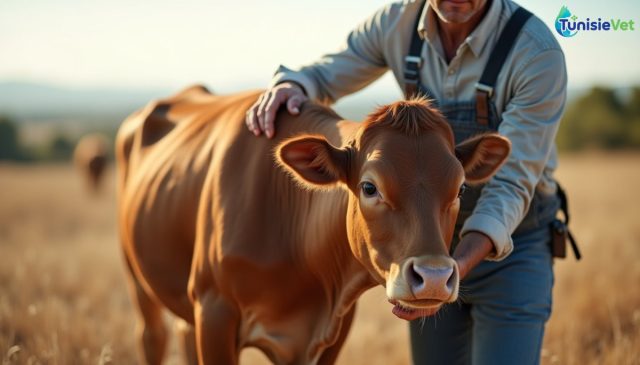
Flies, mosquitoes, and horseflies in livestock operations cause stress, reduce productivity, and transmit diseases among cattle, sheep, and poultry. The good news: it's entirely possible to significantly limit their presence without resorting to excessive chemical treatments. This practical guide explains how to identify these blood-feeding insects, recognize infestation signs, and implement an integrated pest management strategy suited to warm climates.
1. Identify the main blood-feeding insects in livestock farming
Before taking action, you need to know what you're dealing with. Each insect has different behavior and life cycles, which directly influences the most effective control methods.
Flies
Domestic flies and biting flies are recognizable by their intense activity around animals, particularly near eyes, nostrils, and wounds. They reproduce in manure, damp bedding, and decaying organic matter.
Horseflies
Horseflies are large, robust flies that are most active during the day when it's hot and sunny. Their bite is painful and often triggers a sharp defensive reaction in cattle—a characteristic sign to watch for at pasture.
Mosquitoes
Livestock mosquitoes typically bite at dusk and dawn, particularly near stagnant water. Their presence increases significantly after rain or near poorly drained irrigation areas.
2. Recognize signs of infestation on animals
Infestation by blood-feeding parasites produces visible behaviors and symptoms that require regular monitoring.
- Constant restlessness, repeated tail switching, and stamping
- Seeking shade or clustering together in groups for protection
- Reduced appetite and decreased milk production
- Skin lesions, scabs, or hair loss around eyes and ears
- Increased irritability and nervousness at pasture
These signals demand prompt attention, because prolonged stress weakens the animals' natural defenses and may trigger other health problems.
3. Adapt prevention strategies to warm climates
Warm climates accelerate fly, mosquito, and horsefly reproduction because heat speeds up their developmental cycles. A few simple measures greatly reduce their population growth.
Manage moisture and drainage
Stagnant water is the primary breeding ground for mosquitoes. It is essential to:
- Fill in or drain persistent puddles around livestock buildings
- Clean water troughs regularly and prevent leaks
- Ensure proper drainage of rainwater around enclosures
Control manure and bedding
Poorly managed manure is an ideal breeding ground for flies. Frequent removal, proper composting, and storage away from animal living areas significantly limit fly breeding sites.
4. Implement strict farm hygiene
Good farm hygiene remains the foundation of any sustainable pest management strategy, far more effective over the long term than insecticides alone.
- Clean bedding and feeding areas daily
- Remove food scraps that attract insects
- Ensure proper ventilation in buildings to limit stagnant humidity
- Isolate and promptly treat injured animals, as wounds attract flies
- Maintain farm surroundings by cutting tall grass that harbors horseflies
5. Use traps and natural repellents
Integrated pest management combines several non-chemical methods to sustainably reduce blood-feeding insect populations.
Traps
Sticky traps, light traps, and baited traps suspended near manure areas capture large numbers of adult flies without chemical products. Strategically placed, they reduce overall pressure on your herd.
Natural animal repellents
Certain plants and essential oils are known for their repellent effect against blood-feeding insects, such as citronella, neem, and lavender. They can be diffused in buildings or applied topically, always with caution and professional advice to avoid any toxicity risk.
Natural beneficial insects
Encouraging insectivorous birds and certain parasitoid wasp species that attack fly larvae helps maintain a natural ecological balance within your farm environment.
6. Compare control methods by insect type
| Insect | Activity Period | Breeding Site | Primary Control Method |
|---|---|---|---|
| Flies | Daytime, high heat | Manure, damp bedding | Hygiene and sticky traps |
| Horseflies | Sunny daytime | Moist soil, tall grass | Pasture maintenance, repellents |
| Mosquitoes | Dusk, dawn | Stagnant water | Drainage and water elimination |
7. Know when to consult a veterinarian
Severe infestations can cause significant skin reactions, secondary infections, or stress that durably affects herd health. In such cases, it's advisable to seek professional guidance to assess the situation and adapt a treatment protocol. The veterinarian directory helps you quickly find a practitioner near your farm for support tailored to your cattle, sheep, or goats.
Summary
- Accurately identify flies, horseflies, and mosquitoes to target the right method
- Monitor infestation signs: restlessness, lesions, reduced productivity
- Drain stagnant water and manage manure rigorously
- Combine traps, natural repellents, and hygiene rather than relying on chemicals alone
- Consult a veterinarian if significant lesions or persistent stress develops
Frequently asked questions
What are the most effective natural ways to keep flies away from a farm?
Regular manure removal, installation of sticky traps, and the use of natural repellents such as citronella effectively reduce fly populations. Good ventilation in buildings also limits their proliferation.
Do horseflies only bite cattle?
No, horseflies can bite most livestock species as well as humans, but cattle at pasture are particularly exposed due to the time they spend outdoors. Their painful bite typically triggers an immediate, visible reaction.
How often should bedding be cleaned to prevent fly larvae?
Frequent cleaning—ideally daily or every two days depending on herd size—prevents moisture buildup that favors insect breeding. The drier and cleaner the bedding, the fewer breeding sites fly larvae find.
Managing flies, horseflies, and mosquitoes in livestock requires a combined, patient approach adapted to your climate. By prioritizing hygiene, drainage, and natural repellents, you can durably protect your herd's health and comfort without excessive chemical use.
Leave a comment
Be the first to comment on this article.

Be among the first to use our app. Sign up and get early Google Play access.
Discover