
Toxic Plants: The Complete Guide for Pet Owners

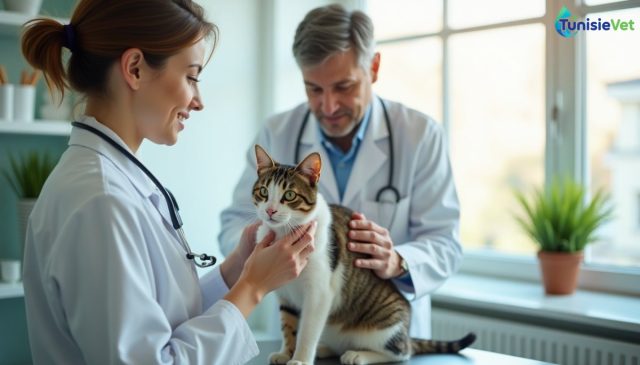
Toxic plants remain one of the most underestimated household hazards faced by pet owners. Whether it's a bouquet received as a gift, a common houseplant, or a garden shrub, numerous everyday species can trigger digestive, respiratory, or neurological issues in dogs, cats, small rodents, and birds alike. This practical guide helps you understand the basics, identify the most common mistakes, and develop the right habits to protect your animal companions every single day.
Why Toxic Plants Are an Underestimated Threat
Many pet owners mistakenly believe that animals naturally know to avoid what's harmful to them. In reality, the natural curiosity of young animals, boredom, or simple play can drive them to chew on leaves, stems, flowers, or bulbs without any discrimination. Some plant species are toxic in their entirety, while others pose danger only through their roots, seeds, or sap. Toxicity levels can also vary depending on the amount ingested and each animal species' individual sensitivity: what might be harmless for a dog could prove dangerous for a cat, rabbit, or bird.
Warning Signs You Shouldn't Ignore
- Sudden vomiting or diarrhea
- Excessive drooling or loss of appetite
- Breathing difficulties, coughing, or shortness of breath
- Trembling, confusion, or unusual lethargy
- Visible irritation of the mouth, lips, or throat
These symptoms may appear quickly after ingestion or, conversely, develop with a delay depending on the plant involved. Regardless, they should never be overlooked.
Common Mistakes Beginner Pet Owners Make
When facing toxic plants, certain well-intentioned habits can unnecessarily increase the risks involved.
- Trusting a plant's harmless appearance: a pretty flower or common houseplant can be toxic, even if it's found in countless homes.
- Waiting to see what happens: some owners delay after suspected ingestion, when quick action is often critical.
- Inducing vomiting without professional guidance: this action can worsen the situation depending on what was ingested.
- Neglecting newly acquired plants: a fresh bouquet, a recently purchased houseplant, or a garden plant added without prior safety checks.
- Underestimating small animals: rabbits, rodents, and birds are often overlooked in prevention measures, yet they face particular exposure when allowed to roam freely indoors.
Essential Habits to Prevent Plant Poisoning
Prevention remains your best defense against toxic plants. Here are the habits to establish before bringing a new pet into your home.
- Identify all plants in your home before welcoming a new animal, both indoors and in outdoor spaces.
- Keep high-risk plants out of reach, placed on shelves or in rooms your curious animals cannot access.
- Monitor outdoor areas during walks and outings, especially with young animals who explore everything with their mouths.
- Research before purchasing any plant or bouquet, particularly if a cat, dog, rabbit, or bird shares your home.
- Keep a veterinary professional's contact details readily available to respond immediately if you have any concerns.
What to Do if You Suspect Plant Ingestion
If you catch your pet chewing on a plant or notice concerning symptoms, first remove any remaining plant material from their environment to prevent further ingestion. Try to identify the plant in question—this information will be invaluable to the professional you consult. Avoid any home remedies or self-treatment attempts, and contact a veterinarian promptly. To find a practitioner near you, the veterinary directory makes it easy to locate an available professional based on your location and your pet's species.
Adjust Your Vigilance by Animal Type
Cats are particularly sensitive to certain houseplants due to their habit of chewing leaves. Dogs, being more opportunistic, may ingest vegetation during walks. Rabbits and rodents, often allowed supervised freedom indoors, are exposed to both garden plants and decorative houseplants. Domestic birds, meanwhile, can come into contact with twigs or decorative plants placed in their environment. Tailoring your supervision to each species is therefore essential for minimizing risks.
Toxic Plants: When Should You Call a Vet?
It's advisable to consult a veterinarian at the first sign of any symptoms following suspected ingestion, even mild ones, because certain toxic effects can escalate rapidly. When in doubt about what plant was ingested, it's always better to seek professional advice rather than waiting to see how symptoms develop.
Leave a comment
Be the first to comment on this article.
