
Toxic Plants for Pets: A Complete Beginner's Guide
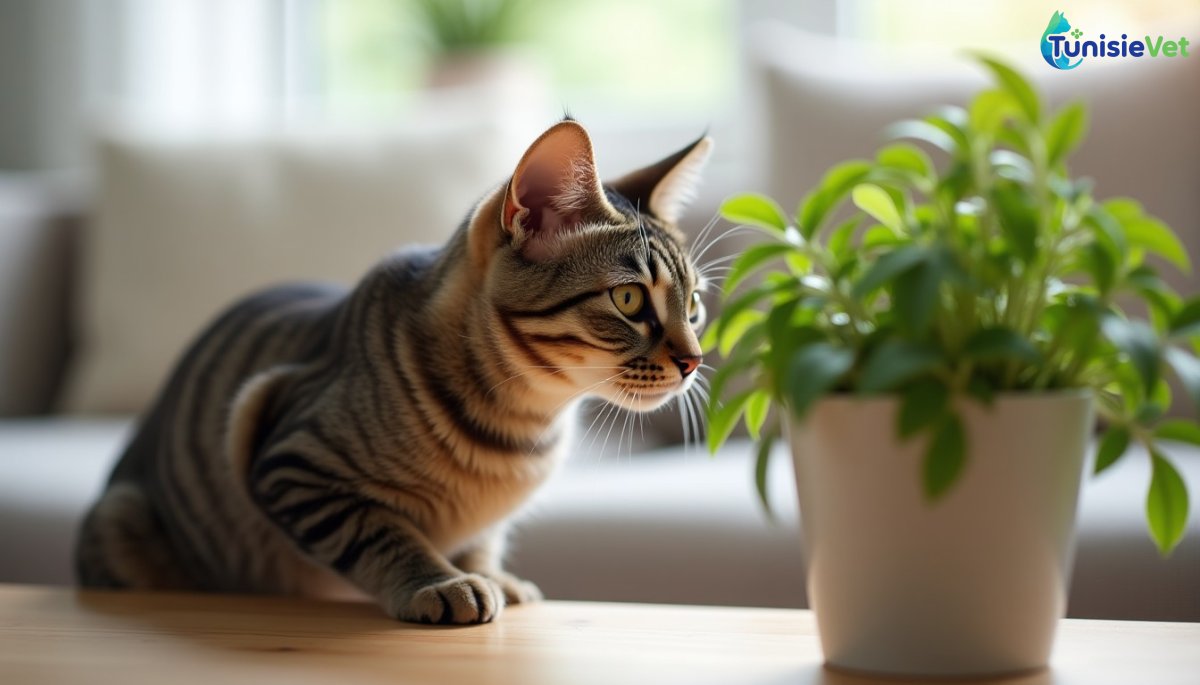
Toxic plants pose a real danger to dogs, cats and other pets, whether they're growing in the garden, sitting in a pot indoors, or spotted during a walk. Many owners don't realise that very common plants, whether given as a bouquet or grown decoratively, can cause serious digestive problems or even put an animal's life at risk. This practical guide covers the essentials, the most common mistakes, and the right habits to adopt to keep your companions safe every day.
Why toxic plants are an underestimated danger
A curious animal, especially a kitten or puppy, explores the world with its mouth. A chewed leaf, a gnawed stem, or a flower swallowed while playing can sometimes be enough to trigger poisoning. Part of the danger lies in the fact that many popular houseplants or garden plants, chosen for their looks, are toxic without any warning visible on their packaging or label at the time of purchase.
Toxicity can affect different parts of a plant: the leaves, sap, roots, flowers or fruit. Depending on the amount ingested and the animal's sensitivity, the effects can range from mild mouth irritation to more serious issues affecting the digestive, kidney or cardiac systems.
Warning signs to watch for
- Excessive drooling or sudden vomiting
- Diarrhoea, loss of appetite or unusual lethargy
- Mouth irritation, swelling of the lips or tongue
- Trembling, breathing difficulties or an abnormal gait
These symptoms don't always appear immediately after ingestion, which can make it harder to connect an animal's behaviour with the plant responsible.
Common mistakes made by first-time pet owners
Many new pet owners wrongly assume that animals instinctively know how to recognise and avoid dangerous plants. In reality, this isn't always true, especially for young animals or those that get bored and chew on whatever they find.
- Assuming a plant is safe just because it's sold in a garden centre or florist: commercial availability is no guarantee of safety for pets.
- Not keeping an eye on flower bouquets received as gifts, often left within easy reach on a coffee table.
- Waiting for serious symptoms to appear before taking action, when a quick consultation greatly improves the chances of effective treatment.
- Underestimating small amounts: some plants are dangerous even when only a small quantity is ingested.
Smart habits for a safer environment
Adopting a few simple habits can significantly reduce the risks, without having to give up keeping plants at home.
- Identify the plants you already have before bringing home a new pet, especially in the garden and on balconies.
- Keep potentially risky plants out of reach, placed up high or in a room the animal can't access.
- Supervise young animals during their first explorations of the garden or the house.
- Offer suitable alternatives, such as cat grass or chew toys, to redirect their attention away from ornamental plants.
- Stay alert during walks, especially if your pet tends to nibble on vegetation along the way.
What to do if you suspect ingestion
If you suspect your pet has chewed or swallowed a potentially toxic plant, stay calm and act without delay. Try to identify the plant involved or keep a sample of it, as this will help with diagnosis. Never try to make your pet vomit without professional advice, since some substances can make things worse if brought back up the wrong way. The safest course of action is to contact a professional quickly to assess the situation and get proper guidance.
If in doubt, don't wait to consult a vet near you through the directory, who can examine your pet, make a diagnosis and provide treatment if needed. Acting quickly often makes all the difference in how a poisoning case unfolds.
Choosing the right plants when you have pets
Before buying a new houseplant or planting a new shrub in the garden, make it a habit to check whether it's safe around pets. This simple precaution, taken in advance, can prevent many avoidable emergencies. It's especially important in households with several animals, or when young kittens and puppies are around, since their natural curiosity puts them at greater risk.
Is a toxic plant equally dangerous for every animal?
No, sensitivity varies depending on the species, age and overall health of the animal. A cat, a dog, a rabbit or a bird won't necessarily react the same way to a given plant. That's why it's essential to stay watchful for every pet in the household, and to seek professional advice whenever in doubt rather than relying on general assumptions.
Leave a comment
Be the first to comment on this article.