
How to Prepare Your Home for a Puppy or Kitten


Bringing a puppy or kitten home requires careful house preparation before their arrival. A secure space, appropriate supplies, and simple adjustments prevent stress, accidents, and unwanted surprises. This practical guide walks you through every room, outlining everything needed for a successful welcome tailored to Tunisia's climate and living conditions.
The TunisieVet app to care for your pet
Vets, adoption and products


1. Secure Every Room Before Your New Pet Arrives
Puppies and kittens explore their surroundings using their mouths and paws. Securing your home is the first critical step to prevent domestic accidents, which are especially common during the first few weeks.
- Hide or cover electrical cables with protective sleeves, since young animals love to chew them.
- Restrict access to cleaning products, medications, and toxic plants (low cabinets, bathrooms, laundry areas).
- Check windows, balconies, and terraces: kittens climb and may fall, while puppies can squeeze through poorly secured railings.
- Block access to steep stairs or pools if present—very common in Tunisian homes—where animals could easily get into trouble.
- Store away small objects, rubber bands, string, and children's toys that could be swallowed.
It's wise to get down on your hands and knees and walk through each room at pet level, spotting dangers you'd miss from an adult perspective.
2. Create a Dedicated Sleeping and Rest Area
Both puppies and kittens need a calm, secluded space where they can rest and feel safe during those crucial first days.
For Your Puppy
- A basket or appropriately sized crate placed in a temperate spot, away from drafts.
- Washable bedding, since accidents happen frequently in the early weeks.
For Your Kitten
- A cozy bed at a modest height, as cats prefer to observe their surroundings from an elevated perch.
- A scratching post installed immediately, to naturally channel their scratching instinct.
During summer months, choose a cool, shaded location—essential in Tunisia where high temperatures can quickly stress a young animal.
3. Stock Essential Supplies Before Arrival Day
Having all supplies ready before your pet comes home eliminates the stress of last-minute shopping on adoption day.
| Category | For Your Puppy | For Your Kitten |
|---|---|---|
| Feeding | Water and food bowls, age-appropriate kibble | Water and food bowls, kitten food or wet food |
| Hygiene | Puppy training pads, waste bags | Litter box, litter, litter scoop |
| Comfort | Bed, blanket, chewing toys | Bed, scratching post, interactive toys |
| Safety and Transport | Collar, leash, harness, ID tag | Carrier, collar with light bell |
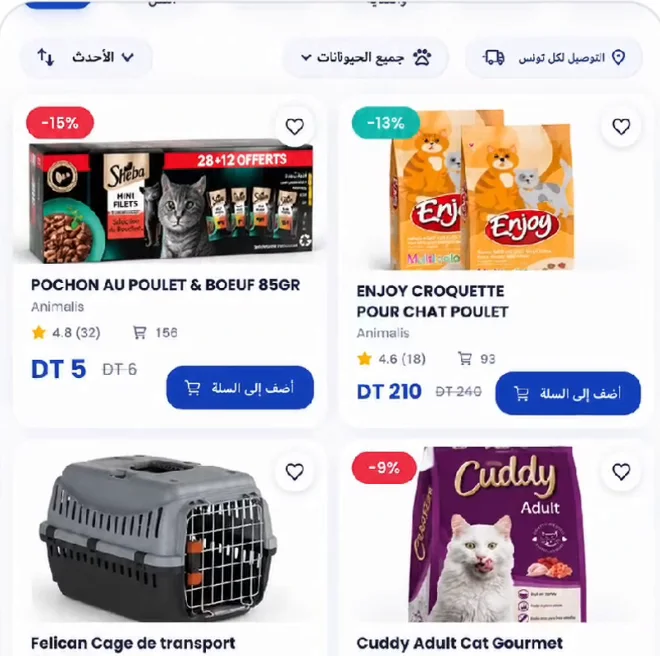
When making your first purchases, browsing a selection of dog supplies or a selection of cat supplies saves time and ensures you haven't missed anything important.
4. Adapt Your Home to Tunisia's Climate
Tunisia's warm, dry summers and regionally variable winters require some climate-specific adjustments to keep your new pet comfortable.
- In summer, provide a shaded, well-ventilated area and refresh water several times daily.
- Avoid cold tile floors in winter for very young animals by adding an insulating blanket to their bedding.
- For homes with gardens or terraces, check for local toxic plants and ensure fences or walls are secure.
- Limit outdoor time during the hottest hours in summer, especially for fragile young puppies.
5. Prepare for Cohabitation With Other Household Members
A new pet shifts the household balance, whether you already have other animals or children at home.
- Introduce your new pet gradually to other animals in a neutral space, without forcing interaction.
- Teach children appropriate handling: no yelling, no pulling tails or ears, and letting the animal approach at their own pace.
- Keep a safe refuge room available where the animal can retreat if feeling overwhelmed.
- Establish a stable routine from day one: consistent meal times, play sessions, and rest periods help reassure your pet.
6. Schedule Your First Veterinary Visit
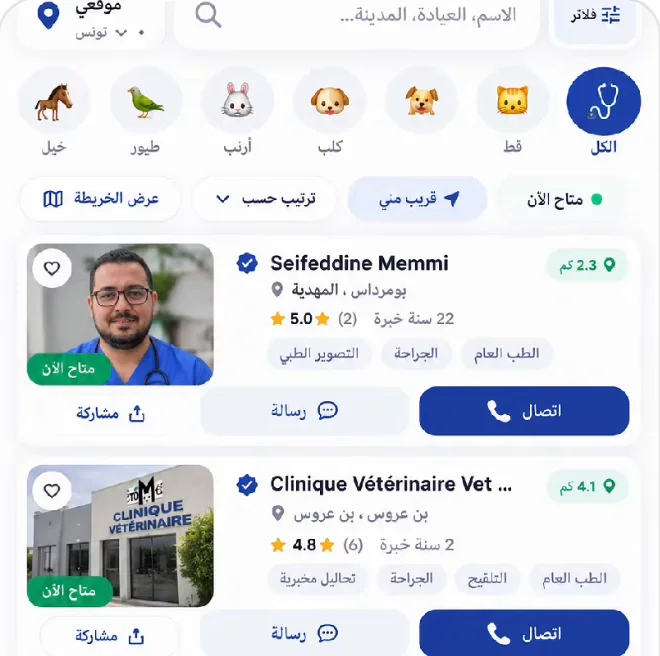
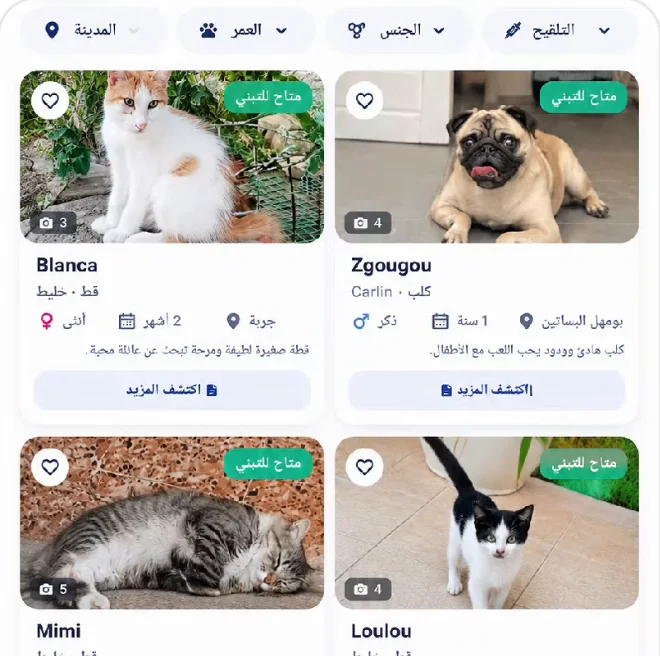
Beyond supplies, welcoming a puppy or kitten includes veterinary care from the start. An initial health check confirms general wellness, establishes a vaccination schedule, and answers questions about diet and behavior. It's recommended to book an appointment soon after adoption, even before any health concerns appear. Finding a local veterinarian is easy using the directory of dog veterinarians and cat veterinarians. Those considering adoption can also visit the dedicated pet adoption page to find a companion in need of a home.
Summary
- Secure all rooms: hide cables, lock away toxins, check windows and balconies before your pet arrives.
- Create a calm, climate-appropriate rest corner for your puppy or kitten.
- Gather essential supplies in advance: bowls, bedding, litter or pads, collars, and carriers.
- Adapt your home to Tunisia's summer heat and regional winter conditions.
- Schedule a veterinary visit soon after adoption for a healthy start.
Frequently Asked Questions
Should I adopt a puppy or kitten instead of an adult pet?
Puppies and kittens require more time for training and socialization, whereas adult animals are often already housetrained. Your choice depends on your available time and lifestyle.
How long does it take for a pet to adjust to a new home?
Adjustment varies by individual temperament, but a stable routine and secure environment typically speed up the process. The first few days are usually the most stressful.
Can I leave a puppy or kitten alone during the first days?
It's best to avoid extended absences during the first week while your pet builds confidence. Short, gradual periods away help prevent separation anxiety later on.
Preparing your home before adopting a puppy or kitten is the best guarantee of a smooth transition from day one. By anticipating security needs, gathering supplies, and planning veterinary care, your new pet's arrival becomes a joyful moment for the entire family.
Need a professional opinion? If in doubt or in an emergency, find a veterinarian near you on TunisieVet.
Leave a comment
Be the first to comment on this article.
