
Cat Breeds Suited to Tunisia's Climate: A Complete Guide

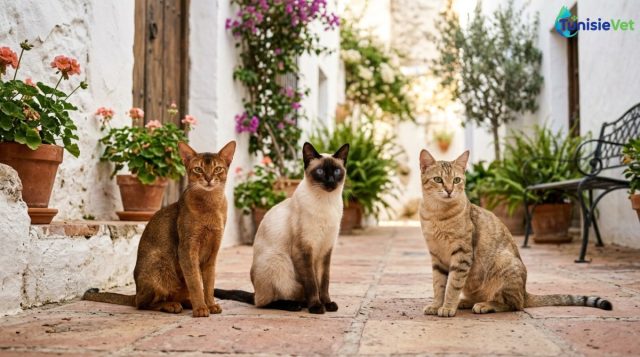
Which cat breeds do best in Tunisia's scorching summers and dry air, whether on the coast or inland? Short-haired cats with minimal undercoat and lean builds generally tolerate heat better than long-haired, thick-coated breeds. This guide covers the physical characteristics to look for, thermoregulation needs, and practical steps to ensure your cat's wellbeing throughout the year.
1. Why Tunisia's Climate Demands Thoughtful Breed Selection
Tunisia experiences very hot, dry summers—especially in central and southern regions—and mild but sometimes humid winters along the coast. A poorly adapted cat can suffer from heatstroke, dehydration, or discomfort during rare cold, damp spells. Choosing a breed suited to your environment isn't just an aesthetic choice: it's a matter of your pet's health and daily comfort.
Cats regulate temperature mainly through light panting, ear and paw pad vasodilation, and seeking shade or cool spots. A thick coat or stocky body limits these natural mechanisms, making certain breeds more vulnerable during intense heat.
2. Physical Characteristics That Support Heat Tolerance
Short, fine coat with minimal undercoat
A short, fine, sparsely furred coat allows efficient heat dissipation. Conversely, thick double-coated breeds, developed for cold climates, trap heat and require extra vigilance during summer months.
A slender body shape
Lean-bodied cats with large, thin ears have a greater surface area relative to body volume, promoting heat release. Stocky, short-muzzled breeds tolerate high temperatures less well because their breathing is naturally less efficient.
A light or reflective coat colour
Light-coloured coats reflect more solar heat than dark ones, which can slightly reduce warming during prolonged sun exposure, though shade access remains essential.
3. Cat Breeds Well-Suited to Hot Climates
Several breeds, historically native to warm or Mediterranean regions, naturally display traits favourable for life in Tunisia.
- European Shorthair (including local domestic cats): widespread in Tunisia, hardy, short coat adapts well to climate variations, low grooming needs.
- Abyssinian: slender build, sleek coat, from warm regions, typically active and tolerant of high temperatures.
- Siamese and short-haired Oriental breeds: lean body, large ears, very short coat—classic traits for effective heat dissipation.
- Short-haired Bengal: fine, dense coat with minimal undercoat, generally handles warmth well with access to water and shade.
- Desert cat or North African "local" type cats: shaped by natural selection in arid environments, these cats often show strong resilience to the temperature swings typical of North Africa.
These North African and warm-climate cat breeds aren't the only options, but they exemplify the physical traits worth seeking: short coat, lean build, and hardiness.
4. Breeds Requiring Close Monitoring in Hot Climates
Some breeds, loved for their temperament or appearance, need extra attention in Tunisia due to their build or coat type.
- Persian and other long-haired, thick-coated breeds: abundant fur traps heat and complicates thermoregulation; regular grooming and a cool indoor environment are essential.
- Short-muzzled (brachycephalic) breeds: less efficient breathing makes temperature regulation harder during intense heat.
- Maine Coon and large-frame, semi-long-haired breeds: their substantial size and thick coat demand particular care during heat spikes.
These breeds can certainly live in Tunisia, provided you adapt their environment: air conditioning or ventilation, shaded areas, frequent brushing to reduce excess undercoat.
5. Comparative Table: Heat Tolerance by Coat Type
| Coat Type | Breed Examples | Heat Tolerance | Main Precautions |
|---|---|---|---|
| Short coat, minimal undercoat | European, Abyssinian, Siamese | Good | Fresh water available, shade |
| Short dense coat (double-coated) | British Shorthair | Moderate | Regular brushing, cool interior |
| Semi-long coat | Maine Coon, Norwegian | Moderate to poor | Frequent grooming, air conditioning |
| Long, dense coat | Persian | Poor | Daily grooming, heightened summer vigilance |
6. Tips for Keeping Your Cat Comfortable in Summer
Whatever breed you choose, a few simple steps boost cat summer comfort in a warm environment:
- Provide multiple water stations throughout the house, refreshed several times daily.
- Create shaded, cool zones: cool tile flooring, a well-ventilated room, shutters closed during the hottest hours.
- Brush regularly for semi-long or long-haired cats to reduce excess undercoat that traps heat.
- Avoid outdoor time during peak heat; favour early morning or evening hours.
- Watch for heatstroke signs: heavy panting, excessive drooling, lethargy, very red gums.
- Adjust diet during extreme heat, with lighter, more frequent meals if appetite drops.
If you're unsure whether a breed suits your environment, or your cat shows signs of heat distress during warm periods, professional advice is invaluable: consult a veterinarian for cats near you for personalized guidance.
7. Adoption and Responsible Breed Selection
Before adopting, observe breeds already well-established locally—they're often naturally resistant to the country's climate. Choosing a cat already acclimated, whether a recognized breed or local type, lowers adaptation risk. To find a companion suited to your lifestyle and environment, check available profiles at adoption.
Summary
- Choose a short, fine coat for better heat tolerance.
- Slender, hardy breeds—often of Mediterranean or North African origin—adapt naturally well.
- Long-coated or short-muzzled breeds need extra summer precautions.
- Fresh water, shade, and regular brushing are essential for all breeds.
- Veterinary follow-up helps tailor advice to your individual cat's age and health.
Frequently Asked Questions
Which cat breed handles Tunisia's heat best?
Short-haired breeds like European Shorthairs, Abyssinians, and Siamese generally tolerate heat better, thanks to their fine coats and lean bodies. Local-type cats, already accustomed to the country's climate, often show good natural resilience too.
Can I adopt a long-haired cat in Tunisia?
Yes, provided you offer a cool, air-conditioned space in summer and ensure regular brushing to control excess undercoat. Long-haired breeds simply need extra vigilance during peak heat periods.
How do I tell if my cat is suffering from heat?
Unusual panting, excessive drooling, marked lethargy, or very red gums are warning signs to watch for. When in doubt, consult a veterinarian promptly.
Choosing a cat breed suited to Tunisia's climate ultimately comes down to observing coat type and body shape, then tailoring your cat's daily environment accordingly. Professional guidance remains valuable for refining these choices for your individual pet.
Need a professional opinion? If in doubt or in an emergency, find a veterinarian near you on TunisieVet.
Leave a comment
Be the first to comment on this article.
