
Cat Breeds: Answers to Every Owner's Questions

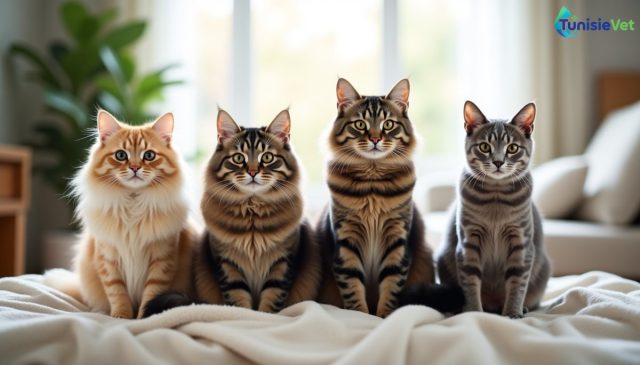
Which cat breed should you choose, and how do you know if it's right for your lifestyle? This is the first question most prospective cat owners ask themselves. This practical guide answers the most frequently asked questions about cat breeds, with concrete veterinary advice you can apply every day.
The TunisieVet app to care for your pet
Vets, adoption and products






1. How do you choose a cat breed suited to your lifestyle?
Choosing a cat breed depends primarily on the space available, the time you can dedicate to your pet, and the level of activity you're looking for. An urban apartment suits a calm and independent cat better, while a house with a garden allows you to welcome a more active and exploratory breed.
- Calm and quiet cats: British Shorthair, Persian, Ragdoll.
- Active and playful cats: Abyssinian, Bengal, Oriental.
- Cats that are good with children: Maine Coon, Ragdoll, Birman.
- More independent cats: Domestic shorthair cat, Chartreux.
The domestic shorthair, or random-bred European cat without pedigree, remains an excellent choice: hardy, adaptable, and generally less prone to genetic predispositions specific to purebred cats.
2. What are the grooming differences based on coat type?
The length and texture of the coat largely determine the frequency of grooming needed. Long-haired breeds require regular brushing to prevent matting, while short-haired breeds are easier to maintain.
| Coat Type | Examples of Breeds | Recommended Brushing Frequency |
|---|---|---|
| Long hair | Persian, Maine Coon, Birman | Daily to every other day |
| Semi-long hair | Norwegian Forest Cat, Ragdoll | Two to three times per week |
| Short hair | British Shorthair, Chartreux, domestic shorthair | Once a week |
| Hairless | Sphynx | Regular skin cleaning (no brushing) |
The Sphynx, despite being hairless, requires special care: its skin accumulates sebum and must be cleaned with a soft cloth or occasional baths.
3. Are certain breeds more prone to health problems?
Yes, certain breeds have known predispositions that are useful to understand before adoption, though they are not inevitable.
- Persian and Exotic Shorthair: flat face that may lead to respiratory difficulties and tear duct problems.
- Maine Coon: cardiac monitoring is recommended during routine veterinary visits.
- British Shorthair: tendency to weight gain if diet is not carefully controlled.
- Sphynx: sensitive skin requiring protection from cold and sun.
These predispositions should not discourage adoption but rather prompt regular veterinary check-ups adapted to the breed you choose.
4. At what age should you adopt a kitten and how do you prepare for their arrival?
It is recommended to wait until the kitten has been weaned and socialized with their mother before adopting, which promotes good behavioral development. Before the kitten arrives, a few simple preparations make their adjustment easier:
- Set up a calm space with a bed, litter box, and separate food and water bowls.
- Provide appropriate scratching posts to channel the natural scratching instinct.
- Choose food appropriate for the kitten's age and breed.
- Schedule a first veterinary visit within a few days of arrival.
This initial consultation allows the veterinarian to check the kitten's overall health and establish a preventive care program.
5. How do you distinguish a purebred cat from a domestic shorthair?
A purebred cat has standardized physical characteristics: specific morphology, color and coat texture that are passed down through generations. A domestic shorthair, on the other hand, results from uncontrolled crossbreeding and displays great diversity in appearance.
In terms of behavior, both can be equally affectionate and playful: breed influences general tendencies, but individual personality also depends on training, life experience, and early socialization of the kitten.
6. What daily practices are suitable for all cat breeds?
Certain tips remain valid regardless of which breed you adopt:
- Provide fresh water at all times, especially during hot weather.
- Maintain regular meals with food appropriate for the cat's age and activity level.
- Offer access to scratching posts and elevated areas for the cat's natural enrichment.
- Provide stimulating toys to prevent boredom, particularly for more active breeds.
- Schedule regular veterinary visits regardless of the cat's age.
For any questions specific to your cat's breed, consult veterinarians specializing in feline care, who can tailor their recommendations to the specific needs of each breed.
Summary
- Choose a breed based on your living space and available time for grooming.
- Adjust brushing frequency according to your cat's coat type.
- Research health predispositions specific to your chosen breed before adoption.
- Prepare for the kitten's arrival and schedule a first veterinary visit promptly.
- Apply the same good practices for hygiene and welfare regardless of breed.
Frequently Asked Questions
What cat breed is best suited for apartment living?
Calm breeds such as the British Shorthair, Persian, or Ragdoll generally adapt well to apartment life. It's also important to provide them with elevated areas and toys to compensate for the limited space.
Are purebred cats more fragile than domestic shorthairs?
Some breeds have known genetic predispositions, but this doesn't mean they are inherently fragile. Regular veterinary monitoring allows for early detection of potential health issues, regardless of the cat's origin.
How long do cats live depending on their breed?
Lifespan varies depending on the breed, lifestyle, and veterinary care, but a well-cared-for, properly fed cat with regular check-ups can live for many years. Appropriate nutrition and regular veterinary visits promote a long and healthy life.
Choosing among the different cat breeds requires understanding both your own lifestyle constraints and the animal's needs. When in doubt, consulting with a professional remains the best way to make an informed decision suited to your daily life.
Need a professional opinion? If in doubt or in an emergency, find a veterinarian near you on TunisieVet.
Leave a comment
Be the first to comment on this article.
