Pet Safety at Home: Domestic Hazards to Avoid

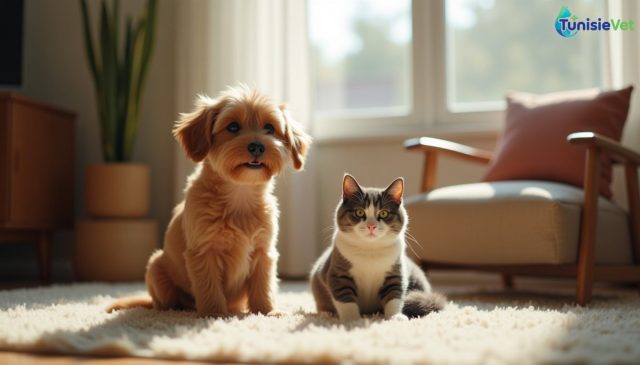
Pet safety starts at home – this is where the majority of accidents involving dogs and cats occur. Falls, poisonings, burns, or escapes can happen in seconds, often due to dangers we overlook daily. Identifying and eliminating these risks is one of the most effective ways to protect your pet's wellbeing at home and prevent unnecessary tragedies.
The most common household hazards for dogs and cats
According to an article on everyday dangers for dogs and cats indoors published on ma-sante.news, certain risks appear regularly in homes. Effective accident prevention for dogs and cats begins with identifying these at-risk situations, which vary from room to room.
In the kitchen
- Hot stovetops and cooking pans left within reach of paws or noses
- Toxic foods readily accessible (leftovers, packaging, items left on counters)
- Cleaning products and detergents poorly stored under the sink
In the living room and bedrooms
- Electrical cords that puppies and kittens tend to chew
- Small objects that can be swallowed (batteries, children's toys, buttons)
- Unsecured windows and balconies, a common cause of falls in cats
In the garden or nearby outdoor areas
- Toxic plants near the house
- Gates or fences left open, facilitating escapes
- Pools or bodies of water left unattended
Adapting each room for lasting pet home safety
Once hazards are identified, the next step is to arrange your living space sustainably rather than relying on temporary restrictions. This means consistently storing dangerous products on high shelves or in locked cabinets, protecting cables with protective sheaths, and regularly checking that outdoor access points (gates, fencing, windows) remain secure throughout the year. These simple habits significantly reduce accident opportunities, especially for young animals, who are naturally more curious and exploratory.
Using monitoring equipment to strengthen safety
Beyond home modifications, certain equipment can complement your vigilance as a pet owner. An article published on peuple-animal.com discusses useful tools also recommended by veterinarians, such as microchipping, GPS tracking, and smart feeders. These devices don't replace domestic hazard prevention, but they add an extra layer of security:
- Microchipping: makes it easier for your pet to find their way home if lost or escaped
- GPS tracking: allows you to locate your pet if they escape from the garden or home
- Smart feeder: helps monitor feeding habits, useful for spotting changes in appetite that may indicate a health issue
What to do in case of a household accident?
Despite all precautions, an incident can still occur. It's important to watch for any unusual signs following a fall, possible ingestion, or contact with a suspect substance: vomiting, breathing difficulties, lethargy, or loss of appetite. In such cases, never wait – consulting a professional promptly often prevents the situation from worsening. You can find a practitioner near you through the directory of veterinarians for dogs or that of veterinarians for cats depending on which pet is affected.
What are the most dangerous household items for dogs and cats?
The most frequently problematic items are poorly stored cleaning products, electrical cords, small objects that can be swallowed, and toxic foods left within reach. Regular inspection of each room, combined with tracking equipment like microchips or GPS, significantly reduces these daily risks.
Need a professional opinion? If in doubt or in an emergency, find a veterinarian near you on TunisieVet.
Leave a comment
Be the first to comment on this article.