
Spaying and Neutering: Your Complete Guide to Getting Started

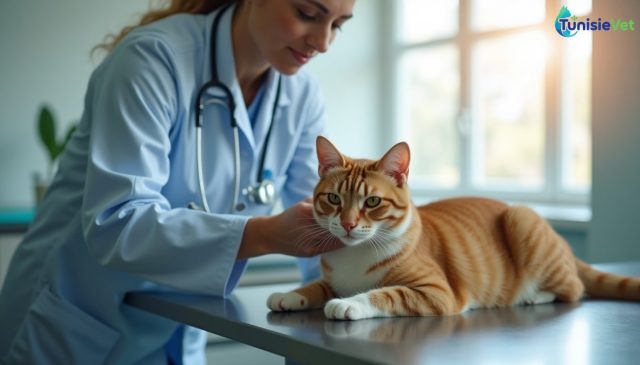
Spaying and neutering is a surgical procedure that prevents an animal from reproducing while offering numerous benefits for its health and behaviour. Whether you're a cat or dog owner, or a beginning breeder, this practical guide answers your essential questions and helps you avoid the most common mistakes before, during and after the operation.
1. What is spaying and neutering, and why should you consider it?
Spaying and neutering involves surgically removing an animal's reproductive organs or interrupting their function. In females, this usually means removal of the ovaries (sometimes along with the uterus); in males, it's typically castration. This procedure is performed under general anaesthesia by a veterinarian in strict hygienic conditions.
Beyond controlling births, spaying and neutering offers concrete advantages: reduction of behaviours linked to heat cycles or marking, decreased risk of certain mammary or testicular tumours, and fewer escape attempts by animals seeking mates. It also helps limit the number of stray or abandoned animals—an animal welfare concern shared worldwide.
2. At what age should you spay or neuter your animal?
The ideal age depends on the species, breed and overall health of your animal. A veterinarian always evaluates physical maturity before scheduling an operation. There's no single age suitable for all animals, but some general guidelines help you decide.
| Animal | Generally Recommended Period | Note |
|---|---|---|
| Cat | Before puberty, usually before first heat cycle | Significantly reduces urine marking in males |
| Dog | Variable depending on size and breed | Large breeds are often neutered later |
| Rabbit | After puberty, when the animal is in good health | Reduces risk of uterine tumours in females |
| Ferret | According to veterinarian's advice | Discussion needed about hormonal alternatives |
In all cases, a prior clinical examination verifies that your animal is fit to undergo general anaesthesia without excessive risk.
3. How to prepare before the procedure
Good preparation limits complications and facilitates your animal's recovery. Here are the recommended steps before surgery day:
- Consult a veterinarian for a complete health check.
- Observe the fasting period requested before anaesthesia, usually from the evening before.
- Allow access to water unless your veterinarian advises otherwise.
- Arrange a quiet, comfortable space for your animal to return home to.
- Ask all your questions about how the procedure will unfold and what recovery will involve.
Both your animal's stress and your own diminish when each step is anticipated and fully understood.
4. Common mistakes to avoid
Certain misconceptions or oversights can compromise the success of spaying or neutering or your animal's recovery.
- Ignoring the pre-operative fast: feeding your animal just before anaesthesia increases the risk of complications.
- Allowing your animal to lick the wound: this delays healing and encourages infection.
- Resuming intense activity too quickly: jumping, running or rough play can reopen the incision.
- Neglecting post-operative follow-up: a check-up visit ensures everything is healing normally.
- Believing spaying or neutering will drastically change your animal's personality: it modifies certain hormone-related behaviours, not your animal's overall personality.
5. Good practices after surgery
Recovery typically lasts from a few days to several weeks depending on the species and type of procedure. During this period, several simple steps promote smooth healing:
- Use an Elizabethan collar or protective bodysuit if your veterinarian recommends it.
- Check the incision daily for excessive redness, swelling or discharge—these warrant immediate attention.
- Restrict physical activity and unsupervised outdoor time during recovery.
- Follow the prescribed treatment carefully, especially pain relief medication.
- Adjust diet slightly; some neutered animals tend to gain weight more easily.
If you're uncertain about healing or notice unusual behaviour, contact a professional promptly. You can consult the directory of qualified veterinarians near you for quick, tailored advice for your animal.
6. Myths about spaying and neutering
Many pet owners hesitate to proceed because of mistaken beliefs. It's worth clearing these up:
- "My animal should have a litter before being spayed or neutered": there's no biological necessity for this; it's a choice, not a medical requirement.
- "Spaying or neutering makes animals fat": weight gain risk mainly exists if diet and physical activity aren't adjusted afterwards.
- "It's a dangerous operation": performed by a competent veterinarian in proper conditions, it's considered a well-established routine surgical procedure.
- "It only applies to females": neutering males is equally common and beneficial.
In summary
- Spaying and neutering prevent unwanted litters and certain health problems.
- The ideal age depends on species and must be confirmed by a veterinarian.
- Good preparation (fasting, quiet environment, asking questions) facilitates the procedure.
- Monitoring the incision and ensuring rest are essential after surgery.
- Regular veterinary follow-up remains your best guarantee of successful recovery.
Frequently asked questions
What age can you spay or neuter an animal?
Age varies depending on the species, breed and physical maturity of your animal. A veterinarian will always assess health status before scheduling the most appropriate time.
Does spaying or neutering cause weight gain?
It can encourage weight gain if diet isn't adjusted after the procedure. Monitoring food portions and ensuring regular physical activity helps prevent this issue.
How long does recovery take after spaying or neutering?
Recovery time varies depending on species and the type of procedure, ranging from several days to several weeks. Following your veterinarian's guidance on rest and incision care speeds up healing.
Spaying and neutering remains an important decision worth discussing calmly with an animal health professional. A veterinarian will assess your animal's specific needs and support you at every stage, from preparation through recovery.
Leave a comment
Be the first to comment on this article.

TunisieVet in your pocket 📱🐾 Access your veterinary services wherever you are. [ Download the app ]
Learn more