
Pet Neutering: A Complete Guide to Getting Started

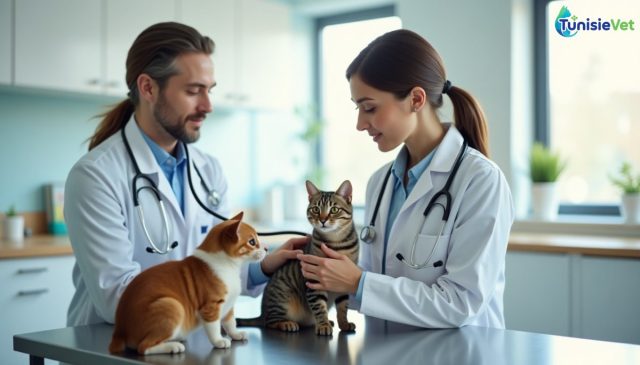
Pet neutering is a surgical procedure that prevents animal reproduction while delivering lasting benefits for your pet's health and behaviour. Whether you're a cat owner, dog owner, or a beginner breeder, this practical guide answers essential questions, addresses common mistakes, and outlines the right steps to approach this important procedure with confidence.
The TunisieVet app to care for your pet
Vets, adoption and products





1. What is neutering and why should you consider it?
Neutering involves surgically removing or neutralizing an animal's reproductive organs, whether male or female. In females, this is often called ovariectomy or ovariohysterectomy; in males, it's known as castration. The primary goal is preventing unwanted litters, but the benefits extend far beyond reproduction control.
- Reduced risk of certain mammary tumours and uterine diseases in females.
- Decreased risk of testicular tumours and prostate disorders in males.
- Reduction of hormone-related behaviours: escaping, urine marking, aggression toward other males, and repeated vocalisations during heat cycles.
- Contribution to controlling populations of stray animals, an important animal welfare concern.
2. At what age should you neuter your pet?
The ideal age depends on the species, breed, and your pet's health status. There is no universal rigid rule, but several general benchmarks are widely accepted by the veterinary profession.
| Animal | Recommended Period | Notes |
|---|---|---|
| Cat | Before puberty, as soon as the vet deems it appropriate | Helps prevent first heat cycles and urine marking |
| Dog | Variable depending on breed and size | Large breeds often require individualised advice |
| Rabbit | After sexual maturity, based on veterinary advice | Significantly reduces risk of uterine tumours in females |
| Guinea pig | Case-by-case decision with your vet | A more delicate procedure; entrust to an experienced practitioner |
In all cases, only a clinical examination can confirm that your pet is ready for the procedure, in good health, and free from contraindications.
3. How does the procedure work?
Understanding the surgical steps helps you better prepare your pet and minimise stress for both you and your animal.
Before surgery
- A general health check is performed to rule out any contraindications.
- Fasting is usually required the night before, as per your vet's instructions.
- Medical history and any current medications must be disclosed.
On the day of surgery
- Your pet is placed under general anaesthesia with continuous monitoring.
- Procedure duration varies depending on species, sex, and surgical technique.
- Recovery is supervised to ensure everything progresses well before your pet returns home.
After surgery
- A protective collar or bandage prevents your pet from licking the wound.
- Rest and limited physical activity during the recovery period.
- Daily wound monitoring: redness, swelling, or discharge should raise concern.
4. Common mistakes to avoid
Many inexperienced pet owners make avoidable errors that complicate recovery or delay the neutering decision.
- Waiting too long believing that a first litter is beneficial: this is not a physiological necessity.
- Neglecting pre-operative fasting, which increases anaesthesia-related risks.
- Removing the collar too early, exposing the wound to licking and infection.
- Allowing your pet to jump or run in the days following surgery, delaying wound healing.
- Drastically changing diet without adjusting portions, as metabolism often slows after neutering.
5. Living with a neutered pet daily
Neutering slightly modifies your pet's needs, particularly regarding diet and behaviour.
- Metabolism tends to slow down: monitor weight and adjust portions to prevent excessive weight gain.
- Appetite may increase in the weeks following surgery, though this doesn't reflect an actual nutritional need.
- Behaviour often becomes calmer, with reduced escaping and territorial marking.
- Regular physical activity remains important for maintaining good health despite metabolic slowdown.
Regular check-ups with a professional help adapt your pet's diet and lifestyle long-term. For any questions before or after the procedure, consult our directory of veterinarians to find a qualified practitioner near you.
6. Common misconceptions about neutering
Several misconceptions persist and deserve clarification to make an informed decision.
- "My pet will definitely gain weight": weight gain is not automatic if diet and exercise are properly managed.
- "It's cruel to prevent reproduction": neutering mainly prevents pathologies and suffering associated with uncontrolled reproduction.
- "I must wait for a litter before neutering": no biological necessity requires this.
- "Surgery is always risky": when performed by a qualified vet under proper conditions, it's a routine and well-established procedure.
In summary
- Neutering prevents certain diseases and reduces hormone-related behaviours.
- The ideal age depends on species and health status: seek veterinary advice.
- Strictly follow pre- and post-operative instructions, especially regarding the protective collar.
- Adjust diet after the procedure to prevent excessive weight gain.
- If you notice any unusual symptoms after surgery, consult a professional promptly.
Frequently asked questions
What is the right age to neuter a pet?
This depends on the species and breed: some animals can be neutered before puberty, while others need to reach sufficient physical maturity. Only a veterinarian can confirm the most appropriate timing after examination.
Does neutering cause weight gain in pets?
Metabolism slows slightly after surgery, which can promote weight gain if diet isn't adjusted. With properly sized portions and regular physical activity, weight typically remains stable.
How long is the recovery period after neutering?
Recovery time varies depending on species, sex, and the surgical technique used, but always involves a period of rest and wound monitoring. Your vet will specify the exact duration and precautions for your individual pet.
Neutering remains one of the most effective preventive measures for your pet's health and wellbeing. Don't hesitate to seek personalised veterinary advice before making your decision, so you can approach this important step with full confidence.
Leave a comment
Be the first to comment on this article.
