Puppy and Kitten Vaccination: Essential Schedule

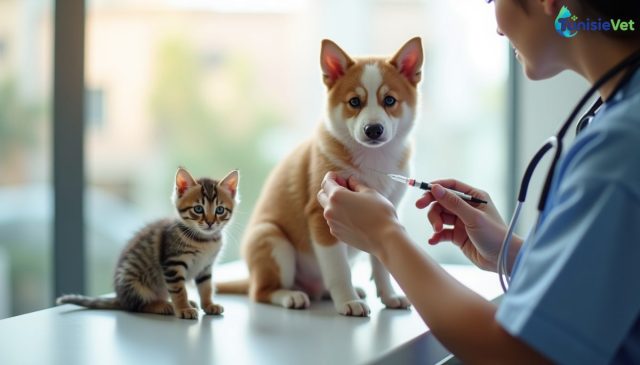
Puppy and kitten vaccination protects against serious, sometimes fatal diseases from the earliest weeks of life. A well-followed vaccination schedule for dogs and cats allows your pet to develop strong immunity at the right time. This guide covers the key stages, essential boosters, and common mistakes to avoid, ensuring your companion gets the best start in life.
1. Why Puppy and Kitten Vaccination Is Essential
At birth, puppies and kittens benefit from protection passed through their mother's milk, known as colostral immunity. This protection gradually decreases over the weeks, leaving the young animal vulnerable to viruses and bacteria that are often serious. Vaccination takes over by stimulating the immune system to learn how to defend itself independently.
Without this protocol, a young animal can contract highly contagious diseases that are sometimes incurable and spread rapidly between animals, particularly in groups, shelters, or during outdoor exposure. Puppy vaccination and kitten vaccination remain, to date, the most reliable form of disease prevention.
The Role of Maternal Immunity
The immunity passed from the mother varies with each litter. This is precisely why this protection fades unpredictably—multiple spaced injections are necessary rather than a single shot.
2. Puppy Vaccination Schedule
The dog vaccination schedule typically begins in the first weeks of life, then continues with closely spaced boosters until adulthood. Your veterinarian will adjust the exact timing based on breed, environment, and the puppy's health status.
| Stage | Typical Timing | Primary Diseases Targeted |
|---|---|---|
| Primary vaccination | First weeks of life | Distemper, parvovirus, infectious hepatitis |
| Second injection | A few weeks later | Booster of same vaccines, addition of leptospirosis |
| Third injection | Before adulthood | Immunity confirmation, rabies where applicable |
| Annual booster | Every year for life | Maintenance of overall protection |
Rabies vaccination is particularly important when the animal goes outside, travels, or interacts with other animals, as this disease remains transmissible to humans.
3. Kitten Vaccination Schedule
Kitten vaccination follows a similar logic, with emphasis on respiratory diseases and feline panleukopenia (feline distemper), which are highly contagious and common in unprotected young cats.
| Stage | Typical Timing | Primary Diseases Targeted |
|---|---|---|
| Primary vaccination | First weeks of life | Feline panleukopenia, feline respiratory disease |
| Second injection | A few weeks later | Booster of panleukopenia and respiratory disease, feline leukemia based on lifestyle |
| Booster consolidation | Before adulthood | Confirmation of complete immunity |
| Annual booster | Every year for life | Maintenance of protection |
Feline leukemia vaccination is particularly recommended for cats that go outdoors or live with other cats, as this disease spreads through direct contact.
4. Why Each Vaccine Matters
Each component of the dog and cat vaccination schedule targets a specific disease, often without effective cure once it develops. Skipping an injection or delaying a booster creates a window of vulnerability during which your pet remains exposed.
- Parvovirus and feline panleukopenia spread easily through indirect contact, including via contaminated surfaces.
- Leptospirosis can transmit to humans, making it a public health concern as much as an animal welfare issue.
- Rabies remains fatal once symptoms appear, in both animals and people.
- Chronic respiratory disease can leave lasting respiratory complications in unprotected cats.
5. Common Mistakes to Avoid
Certain practices undermine vaccination effectiveness, even when injections are administered.
- Delaying the first injection believing the animal is still protected by its mother.
- Taking an incompletely vaccinated puppy or kitten to places frequented by other animals.
- Forgetting annual boosters once the animal is adult, assuming protection lasts a lifetime.
- Vaccinating a sick or weakened animal without informing your veterinarian beforehand.
A general health check typically accompanies each vaccination appointment, allowing early detection of any growth issues, parasites, or behavioral concerns in the young animal.
6. Preparing for Vaccination Visits
A few simple precautions help ensure each appointment goes smoothly.
- Bring your pet's health records to every visit to ensure proper schedule tracking.
- Avoid feeding a large meal just before the injection.
- Report any signs of fatigue, fever, or loss of appetite before vaccination.
- Arrange calm, secure transport in an appropriate cage or carrier for your kitten.
- Monitor your pet for several hours after injection to watch for any unusual reactions.
To establish a personalized protocol and ensure rigorous follow-up, it is recommended to consult veterinarians capable of adapting the schedule according to your pet's age, breed, and lifestyle. For a puppy, professionals specializing in dog veterinary care can fine-tune the booster schedule, while for a kitten, cat veterinarians can recommend vaccines best suited to your cat's lifestyle.
Summary
- Puppy and kitten vaccination begins in the first weeks of life and continues with regular boosters.
- Each vaccine protects against a specific disease, often serious and sometimes transmissible to humans.
- The dog and cat vaccination schedule must be followed without delay to ensure continuous immunity.
- An annual booster maintains protection throughout your pet's life.
- Regular veterinary care allows the protocol to be tailored to each individual animal.
Frequently Asked Questions
At what age should I start vaccinating my puppy or kitten?
Primary vaccination typically begins in the first weeks of life, as soon as maternal immunity starts to decline. Your veterinarian will determine the most appropriate timing for your individual animal.
Do vaccines need to be given every year?
Yes, an annual booster is necessary to maintain effective protection throughout your pet's life. Some vaccines may follow a different schedule depending on your dog or cat's lifestyle.
Can a puppy or kitten go outside before completing the vaccination schedule?
It is best to avoid places frequented by other animals until the vaccination schedule is complete. Your pet remains vulnerable to contagious diseases until full immunity is achieved.
Following the dog and cat vaccination schedule from the first weeks of life gives your companion the best chance to grow in good health. Don't hesitate to consult your veterinarian to adapt puppy or kitten vaccination to your pet's particular situation.
Leave a comment
Be the first to comment on this article.
Be among the first to use our app. Sign up and get early Google Play access.
Discover