
Puppy and Kitten Vaccination: Essential Schedule Guide

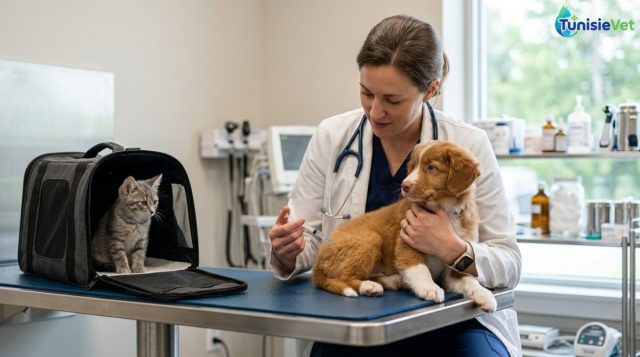
Vaccinating your puppy and kitten protects your young companion against serious, sometimes fatal, diseases from their earliest weeks of life. A well-followed vaccination schedule, from the first vaccine through annual boosters, builds solid immunity. Discover the key stages, the role of each vaccine, and the mistakes to avoid to get your pet off to a strong start.
1. Why puppy and kitten vaccination is essential
At birth, puppies and kittens receive temporary protection through antibodies transmitted by their mother via colostrum. This natural immunity gradually decreases, leaving the young animal vulnerable to infectious agents often present in the environment. This is precisely why a puppy and kitten vaccination schedule becomes crucial during this sensitive window.
Without vaccination protection, young animals can contract serious viral or bacterial diseases that spread rapidly among their peers, especially in group settings, breeding facilities, or during outdoor walks and activities. Vaccination significantly reduces this risk and also limits the transmission of certain diseases to humans, such as rabies.
2. Essential vaccines for puppies
In dogs, several diseases justify routine vaccination because they are frequent, severe, or highly contagious.
- Canine distemper: a respiratory, digestive, and neurological virus, often fatal in young puppies.
- Parvovirus: a severe intestinal infection, particularly feared in unprotected puppies.
- Canine hepatitis (adenovirus): liver infection that can progress rapidly.
- Leptospirosis: a bacterial infection transmitted through rodent urine, dangerous for both dogs and humans.
- Rabies: a mandatory vaccine in many countries, essential if traveling or encountering wildlife.
- Kennel cough: a supplementary vaccine recommended for dogs attending kennels, shows, or dog parks.
3. Essential vaccines for kittens
Kittens also benefit from a core vaccine protocol tailored to the specific risks of the feline species.
- Feline panleukopenia (feline distemper): a highly contagious viral disease often fatal in young kittens.
- Feline calicivirus (feline respiratory disease): an association of respiratory viruses causing sneezing, conjunctivitis, and general fatigue.
- Feline leukemia: a virus that weakens the immune system, especially recommended for cats with outdoor access.
- Rabies: a vaccine to consider based on the cat's lifestyle and local regulations.
Your veterinarian always adapts the recommended vaccine list to your animal's actual lifestyle: strictly indoor cat or cat with outdoor access, city-dwelling dog or dog frequenting rural areas and countryside environments.
4. Puppy and kitten vaccination schedule: key stages
Vaccination in puppies and kittens follows a multi-injection schedule because maternal immunity can interfere with early vaccines if administered too soon or in isolation.
| Stage | Typical timeframe | Main objective |
|---|---|---|
| Initial vaccination (1st injection) | First weeks of life | Begin basic protection |
| Booster vaccination | A few weeks later | Strengthen immunity, overcome maternal antibody interference |
| Possible second booster | Before adulthood | Secure protection if needed |
| Annual booster | Every year, for life | Maintain immunity over time |
This schedule is just a general guideline: only your veterinarian can establish a precise calendar based on your pet's age at first consultation, health status, and lifestyle.
5. What happens during a vaccination visit
Each vaccination appointment includes a thorough clinical examination, much more than just an injection.
- Weighing and monitoring growth of the puppy or kitten.
- General examination: heart, eyes, ears, teeth, skin, and skeletal system.
- Checking for internal or external parasites, with deworming if necessary.
- Administration of appropriate vaccine(s) based on age and current schedule.
- Personalized advice on nutrition, spaying/neutering, and microchipping.
This regular visit also allows early detection of developmental anomalies or health issues that may have gone unnoticed.
6. Common mistakes to avoid
- Delaying the first injection: the longer you wait, the longer the window of vulnerability extends.
- Skipping a booster: incomplete protection exposes your animal despite an initial injection.
- Going outdoors too early: before completing the initial protocol, your young animal remains exposed to infectious agents in the environment.
- Thinking an indoor cat needs no vaccines: certain viruses can be brought in by humans or other animals in your household.
- Stopping boosters in adulthood: vaccine immunity decreases over time and requires regular maintenance.
7. After vaccination: what to monitor
Mild lethargy or slight soreness at the injection site may occur in the hours following vaccination—this is normal and temporary. However, repeated vomiting, significant facial swelling, breathing difficulties, or marked depression should prompt you to contact your veterinarian immediately. It's also advisable to avoid intense activity and group settings on the day of injection, allowing your pet's body to process the vaccine.
To establish or adjust your puppy's vaccination schedule, you can consult a veterinarian for dogs; for your kitten, a veterinarian for cats can recommend the protocol best suited to their lifestyle.
Summary
- Puppy and kitten vaccination begins early, before maternal immunity fades.
- The puppy and kitten vaccination schedule includes an initial vaccination, one or two boosters, then annual boosters for life.
- Each vaccine targets a specific disease that is serious or highly contagious and unique to each species.
- A vaccination visit is also an opportunity for a complete health check and personalized advice.
- Only a veterinarian can adapt the protocol to your pet's age, lifestyle, and health status.
Frequently asked questions
At what age should I start vaccinating my puppy or kitten?
Initial vaccination typically begins in the first few weeks of life, once maternal immunity starts to decline. Your veterinarian will determine the exact timing based on the mother's health history and your young pet's health status.
How many boosters are needed in the first year?
Generally, an initial vaccination is followed by at least one booster a few weeks later, sometimes a second depending on the chosen protocol. An annual booster then takes over to maintain protection throughout your pet's life.
Can I take my puppy or kitten outside before completing the vaccination protocol?
It's best to avoid high-risk areas, such as heavily frequented parks, until the initial protocol is complete. Your young pet remains more vulnerable to infectious diseases until full vaccine immunity is achieved.
Establishing a puppy and kitten vaccination schedule from the first few weeks is one of the most protective steps you can take for your pet. Don't hesitate to consult a professional to plan each stage of your puppy or kitten's vaccination with confidence.
Need a professional opinion? If in doubt or in an emergency, find a veterinarian near you on TunisieVet.
Leave a comment
Be the first to comment on this article.

TunisieVet in your pocket 📱🐾 Access your veterinary services wherever you are. [ Download the app ]
Learn more