Puppy and Kitten Vaccination Schedule: Essential Protection Guide

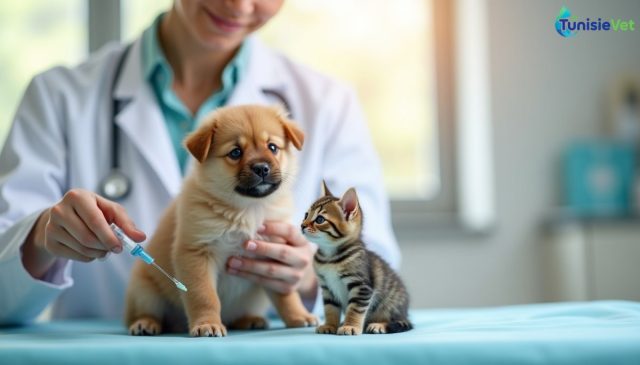
Puppy and kitten vaccination protects your young pet against serious, sometimes life-threatening diseases from its earliest weeks. A properly followed vaccination schedule for dogs and cats, combined with regular boosters, builds lasting immunity. This guide covers the key stages, targeted diseases, and common mistakes to help you start your pet's health journey on the right track.
1. Why puppy and kitten vaccination is essential
At birth, puppies and kittens receive temporary protection through antibodies passed via their mother's milk, especially the colostrum from the first days of life. This natural immunity gradually decreases over the following weeks, leaving your young pet vulnerable to viruses and bacteria in the environment. Vaccination steps in at the right moment to prevent this window of weakness.
The diseases targeted by vaccination spread easily between animals through direct contact, airborne transmission, or contaminated surfaces. Some, like parvovirus in dogs or feline panleukopenia in cats, progress rapidly and can be fatal in young animals, especially before they've built their own immune defences.
2. The puppy vaccination schedule
The vaccination protocol typically begins around two months of age, with an initial vaccination followed by several closely-spaced boosters to ensure an effective immune response, then annual boosters thereafter.
Diseases covered in dogs
- Canine distemper (maladie de Carré) : a serious respiratory and neurological virus, often fatal in young puppies.
- Parvovirus : a highly contagious digestive infection, particularly dangerous for puppies.
- Infectious canine hepatitis (hépatite de Rubarth) : a viral liver infection that can progress very rapidly.
- Leptospirosis : a bacterial disease transmissible to humans, linked to stagnant water and rodents.
- Kennel cough : vaccination often recommended for dogs frequenting group settings (kennels, grooming salons, group walks).
- Rabies : an essential vaccine, particularly for travel and contact with stray animals.
3. The kitten vaccination schedule
In kittens, the initial vaccination also starts around two months of age, using a schedule of several closely-spaced injections before the annual booster.
Diseases covered in cats
- Feline panleukopenia (typhus du chat) : a highly contagious viral disease, often fatal in young kittens.
- Feline respiratory disease (coryza) : a group of viral and bacterial respiratory infections, very common especially in group environments.
- Feline leukemia (leucose féline) : a virus that weakens the immune system, recommended especially for cats with outdoor access.
- Rabies : advised if your cat goes outside or may encounter stray animals.
Vaccine selection depends on your pet's lifestyle: an indoor-only cat won't have the same needs as one with garden or outdoor access.
4. Dog and cat vaccination schedule summary table
| Stage | Approximate age | Puppy | Kitten |
|---|---|---|---|
| Initial vaccination | Around two months | Distemper, parvovirus, hepatitis, leptospirosis | Panleukopenia, respiratory disease |
| Intermediate booster | A few weeks later | Booster of same vaccines + rabies if needed | Booster panleukopenia-respiratory + leukemia based on lifestyle |
| Final primary vaccination booster | Around three to four months | Immunity confirmation, rabies if needed | Immunity confirmation, rabies if needed |
| Annual booster | Every year | Protection maintenance | Protection maintenance |
This table provides a general framework: your veterinarian will always adapt the protocol to your pet's actual age, health status, and lifestyle.
5. Why spacing between injections matters
Each booster injection serves a specific purpose: it allows your young pet's immune system to build an adequate response, step by step. Missing an appointment or spacing injections too far apart can leave a window of vulnerability during which your puppy or kitten remains exposed to disease.
It's also recommended to avoid high-traffic animal areas (parks, kennels, shows) until the initial protocol is complete, giving immunity time to fully establish itself.
6. Common mistakes to avoid
- Vaccinating a sick or weakened animal : vaccination should always be performed on an apparently healthy animal; if in doubt, your veterinarian will reschedule the appointment.
- Forgetting annual boosters : protection decreases over time, regular boosters are essential even in adult animals.
- Assuming indoor pets don't need vaccination : some viruses can be transported indoors on shoes or clothing, even without direct outdoor contact.
- Confusing deworming with vaccination : both are complementary, deworming cannot replace vaccination and vice versa.
- Making up a vaccination schedule without professional guidance : only a veterinarian can adjust the protocol based on your pet's history and circumstances.
7. After vaccination: what to monitor
Mild tiredness or a small lump at the injection site may appear in the hours following vaccination and usually disappears on its own. It's advisable to let your pet rest quietly and monitor their behaviour throughout the following day.
If you notice unusual signs such as significant facial swelling, repeated vomiting, or marked lethargy, seek veterinary advice promptly. For any questions about your vaccination protocol or to schedule boosters, consult veterinarians for dogs or veterinarians for cats near you.
In summary
- Puppy and kitten vaccination begins around two months, with several closely-spaced boosters.
- Canine distemper, parvovirus, hepatitis, and leptospirosis are the main targets in dogs; panleukopenia and respiratory disease in cats.
- Your pet's lifestyle (indoor, outdoor, group environments) influences the choice of additional vaccines.
- Annual boosters are essential to maintain effective protection throughout your pet's life.
- Only a veterinarian can establish and adapt your dog or cat's vaccination schedule for each individual situation.
Frequently asked questions
When should I start vaccinating my puppy or kitten?
Initial vaccination typically begins around two months of age, once the immunity passed from the mother begins to decline. Your veterinarian can adjust this timeline based on your young pet's health status.
How many boosters are needed during the first year?
Several closely-spaced injections are given during the first months, followed by an annual booster from the following year onwards. The exact number depends on the protocol chosen by your veterinarian and the diseases being targeted.
Does an indoor dog or cat still need vaccination?
Yes, some viruses can be introduced into your home without direct outdoor contact, for example via shoes or clothing. Core vaccines remain recommended even for pets that never go outside.
Following your dog or cat's vaccination schedule from the first weeks of life remains the best way to protect your companion long-term. Don't hesitate to ask a professional for advice on tailoring puppy or kitten vaccination to your pet's specific needs.
Need a professional opinion? If in doubt or in an emergency, find a veterinarian near you on TunisieVet.
Leave a comment
Be the first to comment on this article.