
New Pet Vaccination: The Complete Beginner's Guide

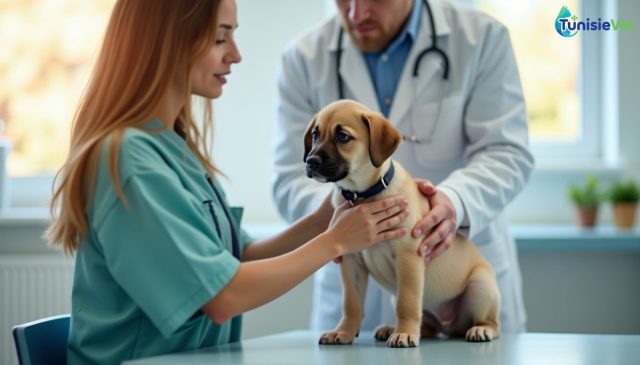
New pet vaccination is one of the very first decisions you need to make when a puppy, kitten or other young animal joins your household or farm. Done properly, it provides lasting protection against sometimes serious diseases and lays the foundation for good health throughout the animal's life. Done poorly, it can lead to unnecessary stress, scheduling mistakes, or even misconceptions that delay effective protection. This practical guide covers the essential veterinary advice you need to approach this step with confidence, whether you're a first-time owner or an experienced breeder.
Why new pet vaccination should be a priority
A young animal arriving in a new environment is especially vulnerable: its immune system is still immature, and it's discovering new smells, new companions, and sometimes other species it has never encountered before. The maternal protection received at birth gradually fades during the first weeks of life, leaving a window during which the animal remains exposed without yet being properly protected by vaccines. This is exactly the critical period that a vaccination protocol is designed to cover.
Beyond individual protection, vaccinating a new arrival also helps limit the spread of contagious diseases within a household that already has other pets, or within a breeding facility. It's an act of care as much as it is an act of responsibility.
The vaccination schedule: good habits to adopt
There is no single schedule that works for every animal: species, age at arrival, overall health, and lifestyle (indoor, outdoor, contact with other animals) all shape the protocol chosen. That said, a few general principles almost always apply:
- The initial vaccination series is usually given as several injections spaced a few weeks apart, allowing immunity to build up gradually.
- A full health check-up should ideally come before the first injection, to confirm the animal is fit to be vaccinated (no fever, no signs of active illness).
- Regular booster shots are then needed throughout the animal's life to keep its protection up to date.
- Sticking to the recommended intervals between injections matters just as much as the vaccination itself: injections given too close together or too far apart can reduce the protocol's effectiveness.
Only a veterinarian can design the schedule that's right for your specific animal, taking into account its history and living environment.
The special case of animals with an unknown background
When an animal arrives with no clear history (adoption, stray, purchase without paperwork), it becomes even more important to see a vet quickly. A professional can estimate the animal's age, assess its general condition, and start or complete an appropriate vaccination protocol, rather than simply assuming the animal is "probably already vaccinated."
Common mistakes to avoid when a new pet arrives
Certain mistakes come up again and again among first-time owners and beginner breeders, and they can undermine how well the vaccination works:
- Delaying the first vet visit: waiting "until the animal has settled in" before consulting a vet wastes precious time during which it remains exposed.
- Immediately mixing the new arrival with other animals that are unvaccinated or whose health status is unknown, before vaccine protection has had time to take effect.
- Stopping the protocol after the first injection, assuming the animal is already protected, when full immunity often requires several booster shots.
- Vaccinating a tired, sick or stressed animal without telling the vet, which may call for rescheduling the injection.
- Relying solely on information found online without professional confirmation, when every situation is actually different.
Preparing calmly for the vaccination appointment
A few simple steps can make this stage more comfortable, both for the animal and for you:
- Transport the new arrival in a secure carrier or container suited to its size.
- Avoid feeding it right before the trip if you know it tends to get carsick.
- Keep its health record or any existing documents on hand to give to the professional.
- Plan for a quiet period after the appointment, avoiding excessive excitement or contact with other unvaccinated animals.
- Write down the date of the next booster as soon as you're given it, so you don't miss it.
For reliable, personalized guidance, it's best to see a professional within the first few days after your pet arrives. You can browse our directory of veterinarians near you to arrange this first visit with confidence.
Frequently asked question: should an adopted animal be vaccinated even if it looks healthy?
Yes: looking healthy doesn't guarantee sufficient immunity against contagious diseases. A veterinary check-up can confirm the animal's overall condition and start or continue an appropriate vaccination protocol, even if no symptoms are visible. If you're considering adoption, you can also check out our dedicated page on responsible adoption to prepare for your new arrival in the best possible way.
Leave a comment
Be the first to comment on this article.
