
Vaccinating New Arrivals: Your Complete Guide to Getting Started

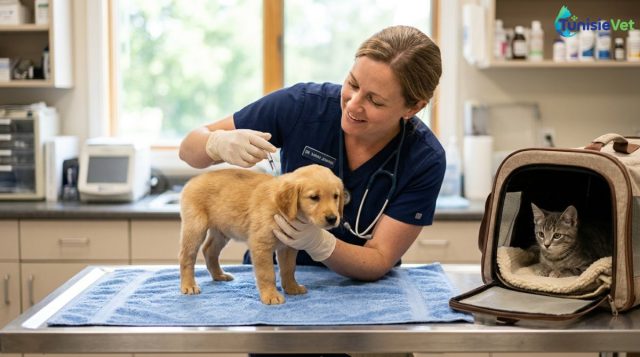
Vaccinating a new arrival is the first essential step to provide lasting protection for a puppy, kitten, or any young animal joining your home. This practical guide explains when to vaccinate, which mistakes to avoid, and how to organize follow-up care with a veterinarian, ensuring your pet gets off to the best start from day one.
1. Why Vaccinating a New Arrival is a Priority
A young animal entering a new environment is vulnerable. It loses the immune protection provided by its mother, encounters unfamiliar microbes, and experiences the stress of relocation. Vaccinating a new arrival bridges this immunity gap by stimulating its own defenses against the most serious and contagious diseases.
Without this protocol, the animal remains at risk of potentially fatal illnesses, especially if it comes into contact with other animals, visits a shared garden, livestock market, or boarding facility. Acting early also reduces the risk of disease transmission to other animals already in your home or farming operation.
The Special Case of Maternal Immunity
Very young animals receive antibodies through colostrum, their mother's first milk. This protection gradually diminishes over the first few weeks, which is why vaccination involves multiple injections spaced over time rather than a single shot.
2. When to Start: The Right Timing by Age
The vaccination schedule depends on the species, but the principle remains consistent: begin as soon as maternal immunity starts to decline, then administer boosters at regular intervals until the young animal's immune system can respond independently.
- Puppies and kittens: first injection at an early age, followed by boosters at regular intervals until several months of age.
- Rabbits: protocol adapted from weaning onward, particularly important if the animal goes outdoors or lives outside.
- Poultry (chickens, turkeys, ducks): early vaccination recommended in farming operations, especially when introducing new birds into an existing flock.
- Young livestock (calves, lambs, kids, foals): protocol established with your veterinarian based on region and farming method.
An adopted adult newcomer with unknown medical history should also be treated as unprotected and follow a catch-up protocol determined by your veterinarian.
3. Practical Steps for Organizing Vaccination
- Initial Consultation: a thorough clinical examination before any injection confirms the animal is in good health and has no contraindications.
- Vaccination Schedule: your veterinarian develops a booster plan tailored to age, species, and lifestyle (indoor, outdoor, contact with other animals).
- Respecting Intervals: each booster must be given within the recommended timeframe, neither too early nor too late, to ensure continuous protection.
- Keeping Health Records Updated: each injection is recorded with the date, simplifying follow-up and providing documentation needed for certain travels, boarding, or competitions.
- Monitoring After Injection: watch your animal in the hours following vaccination for any possible reactions (temporary fatigue, small swelling at injection site, reduced appetite).
4. Common Mistakes to Avoid
- Waiting until your animal spends a lot of time outside before vaccinating: the risk exists from the first contact with the outdoors or other animals.
- Skipping a booster because your animal appears to be in perfect health: protection is only effective once the complete protocol is finished.
- Vaccinating an already sick or weakened animal without prior veterinary advice.
- Mixing vaccination records when multiple animals arrive at the same time, risking a missed booster.
- Neglecting deworming, often recommended before or alongside vaccination, since a parasitized animal responds poorly to vaccines.
5. Vaccination and Group Living: Precautions for Farming Operations
When a new arrival joins an established group (backyard flock, herd, kennel, cattery), vaccination must be accompanied by a temporary isolation period. This quarantine verifies the absence of contagious disease before any direct contact with other animals.
Equipment such as feeders, water troughs, and bedding should be regularly disinfected, and visitors or new animals must not circulate freely between groups until vaccination is fully completed.
Quick Reference Table by Animal Type
| Animal Type | Key Starting Period | Main Monitoring Point |
|---|---|---|
| Puppy / Kitten | From the first weeks of life | Strict adherence to boosters throughout the protocol |
| Rabbit | From weaning onward | Protection essential if the animal lives outdoors |
| Poultry (chicken, duck, turkey) | Before introduction to the flock | Isolation before mixing with existing birds |
| Livestock (calf, lamb, kid, foal) | According to veterinary advice and region | Regular health monitoring of the herd |
| Adopted adult with unknown history | Upon taking the animal home | Complete catch-up protocol |
6. Practical Tips for Stress-Free Follow-Up
Choosing a trusted veterinarian from the moment your animal arrives simplifies all health management, not just vaccination. They can adapt the protocol based on breed, health status, and lifestyle.
- Write reminder dates in a calendar or app to ensure you don't miss any boosters.
- Arrange calm, safe transportation for veterinary visits to minimize stress.
- Ask about possible reactions after injection, so you know what constitutes an emergency.
- Request a general health check at the same time as vaccination to detect any issues early.
For any questions about vaccination schedules or concerns about your new arrival's health, it is recommended to quickly consult qualified veterinarians who can establish a personalized protocol.
Summary
- Vaccination of a new arrival should begin early, as soon as maternal immunity starts to decline.
- The protocol requires multiple injections spaced over time, never just a single shot.
- An isolation period is necessary before introducing the animal to an existing group.
- Health records must be kept up to date at each booster appointment.
- Personalized veterinary advice remains essential, especially for an adult with unknown medical history.
Frequently Asked Questions
At what age should I start vaccinating a new arrival?
The starting age depends on the species, but vaccination typically begins in the first few weeks of life, when the protection from the mother starts to decrease. For an adopted adult animal with no known medical history, the protocol begins as soon as you take the animal home.
Is it safe to delay a vaccination booster?
It's best to avoid any delays, as immune protection depends on following the recommended intervals between injections. A delayed booster may leave your animal vulnerable during the intermediate period.
How long should I isolate a new arrival before introducing it to other animals?
A quarantine period is recommended after arrival, long enough to check for any signs of illness and to complete the initial vaccination protocol. Your veterinarian can advise on the appropriate duration based on species and circumstances.
With proper preparation, vaccinating a new arrival becomes a simple routine that protects your animal and everyone around it. When in doubt about the vaccination schedule or possible reactions, seeking personalized veterinary advice is always your best assurance of a healthy start.
Leave a comment
Be the first to comment on this article.
