
Pet Vaccination Guide: Essential Vaccines for Healthy Pets

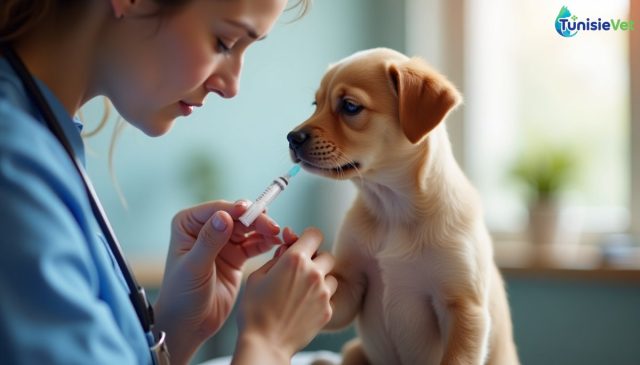
You've just welcomed a puppy, kitten, or young farm animal into your home and wondering where to start with health care? Essential vaccinations and recommended shots represent the first critical step in protecting your companion and, in some cases, public health. This practical guide covers everything you need to know, the most common beginner mistakes, and the right habits to establish from day one.
Why Vaccination is a Core Pillar of Basic Veterinary Care
Vaccination strengthens an animal's immune defenses against diseases that can be serious, even fatal, and often highly contagious between animals. Some of these diseases can also spread to humans, which is why certain vaccines are made mandatory by regulations depending on the country and species. Beyond legal requirements, vaccinating your pet remains fundamentally an act of prevention and responsibility toward your animal and those around it.
A well-planned vaccination protocol is built on several key elements:
- A vaccination schedule tailored to your animal's age
- Regular booster shots to maintain effective immunity
- Health status monitoring before each injection
- Proper record-keeping through an updated health record or vaccination passport
Common Mistakes New Pet Owners Make
Many new pet owners make avoidable mistakes that can undermine vaccination effectiveness:
Delaying or spacing out vaccinations too far apart
Waiting too long between booster shots, or postponing vaccination because "the animal seems perfectly healthy," unnecessarily exposes your pet to disease during periods when protection isn't optimal.
Vaccinating an already sick or weakened animal
A feverish, parasitic-infested, or stressed animal doesn't always respond correctly to vaccines. A preliminary clinical examination ensures your pet is fit to receive the injection at the scheduled time.
Neglecting booster shots after initial vaccination
Initial vaccination alone is usually insufficient—it must be followed by one or more boosters to build solid, lasting immunity.
Confusing deworming with vaccination
These are complementary but distinct procedures. Deworming targets internal parasites, while vaccination prepares the immune system against specific infectious agents. One never replaces the other.
Best Practices for Getting Your First Vaccination Schedule Right
Whether you're a pet owner or a beginning livestock farmer, a few simple habits ensure a smooth start:
- Schedule a first veterinary visit as soon as your animal arrives, even if it appears healthy
- Request a personalized vaccination schedule based on species, age, and lifestyle
- Keep your pet's health record or vaccination passport carefully maintained and up-to-date
- Write down booster dates in a calendar or mobile app so you don't miss them
- Observe your animal in the hours following injection for any unusual reactions
- Avoid strenuous exercise or contact with unvaccinated animals immediately after vaccination
For farm animals, vaccination integrates into a broader health strategy including building hygiene, feed quality, and proper herd management. A coherent protocol limits disease spread within a herd and secures long-term production.
Wellness and Monitoring After Vaccination
After an injection, it's normal for an animal to be slightly less active for a few hours. Rest, fresh water, and a calm environment are usually all that's needed. However, any unusual or persistent sign—marked lethargy, significant swelling at the injection site, or digestive problems—should prompt you to contact an animal health professional promptly.
Since each situation is unique depending on species, age, and lifestyle, only an individual examination can establish the most suitable vaccination protocol. To build a reliable schedule and answer all your questions, it's recommended to consult the veterinarian directory to find a professional near you.
When Should You Start Vaccinating a Young Animal?
Generally speaking, initial vaccination begins in the first weeks of life, once the natural protection passed from the mother starts to decline. Your veterinarian will assess the ideal age based on species and health context, then plan the necessary boosters to ensure continuous protection.
Leave a comment
Be the first to comment on this article.

TunisieVet in your pocket 📱🐾 Access your veterinary services wherever you are. [ Download the app ]
Learn more