
Complete Guide to Mandatory Pet Vaccinations

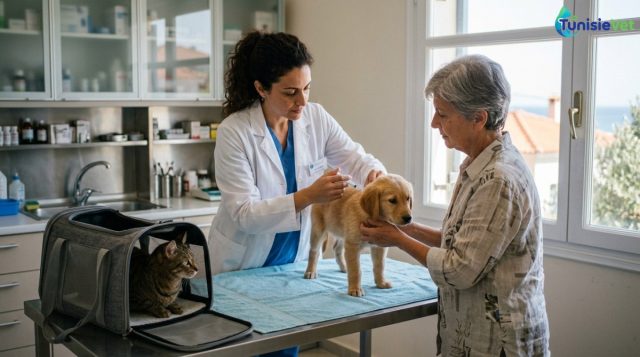
A properly protected animal always starts with mandatory vaccinations administered at the right time, according to a schedule adapted to its species. This practical guide explains what you need to know before vaccinating, the most common mistakes, and the right practices to adopt, whether you're a new pet owner or a beginning animal keeper.
1. Why Mandatory Vaccinations Exist
Vaccination protects the animal itself, but also its surroundings—both human and animal. Certain infectious diseases spread very rapidly within a farm or household with multiple animals. Others are transmissible to humans, which justifies the mandatory requirement imposed by health authorities.
An unvaccinated animal remains vulnerable to pathogens that can sometimes be fatal, and can also become a source of contamination for other healthy animals. This is why following the vaccination schedule must never be considered merely an administrative formality.
What Mandatory Vaccination Covers
- Serious viral diseases, sometimes incurable once they develop.
- Zoonoses, that is, diseases transmissible from animals to humans.
- Pathologies with strong potential for spread within a herd or feline and canine community.
2. Best Practices Before the First Vaccination
Before any injection, the animal must be examined by a professional to verify its general state of health. A sick, weakened, or parasitized animal does not always respond well to a vaccine, which is why a preliminary health check is important.
- Have the animal identified if not already done, as identification is often linked to vaccine validity.
- Deworm the animal a few days before, as a high parasite burden can reduce the effectiveness of the immune response.
- Avoid vaccinating any animal that is feverish, stressed, or recovering from illness.
- Maintain an up-to-date health record, an essential document to prove vaccination.
3. Vaccination Schedule According to Animal Type
The timing and type of mandatory vaccines vary significantly depending on the species. The following table provides general guidelines, always to be refined with a veterinarian based on age, lifestyle, and region.
| Animal Type | Age of First Injection | Booster Shots | Special Consideration |
|---|---|---|---|
| Dog | Shortly after weaning, at young age | Annual or per protocol | Rabies vaccine often required for travel |
| Cat | Shortly after weaning, at young age | Annual or per protocol | Recommended even for indoor cats |
| Cattle and small ruminants | Variable depending on target disease | Periodic campaigns | Often organized through collective campaigns |
| Poultry (chickens, turkeys, ducks) | From the first days of life | Depending on type of farming | Reinforced protocol in intensive farming |
4. Common Mistakes to Avoid
Many beginner pet owners make avoidable mistakes that reduce vaccination effectiveness or put the animal at risk.
- Delaying the first injection: the longer an animal goes without protection, the more it is exposed to diseases in its environment.
- Missing booster shots: a vaccine without boosters gradually loses effectiveness and no longer provides proper protection.
- Vaccinating a sick animal: this can further weaken its immune system that is already under stress.
- Neglecting vaccine transport and storage: a poorly stored product loses effectiveness, which is why only a professional should handle it.
- Confusing vaccination with curative treatment: vaccination prevents disease, it never treats an illness already present.
5. Possible Reactions After Vaccination
Like any medical intervention, vaccination can cause mild and temporary reactions. Slight fatigue, minor pain at the injection site, or reduced appetite for a day or two generally remain harmless.
However, certain signs should alert you quickly: significant swelling, breathing difficulties, repeated vomiting, or prolonged lethargy. In such cases, immediate contact with a veterinarian is essential.
For any questions or to establish a vaccination schedule tailored to your animal, consult professionals listed in the veterinarian directory, who can precisely assess needs based on the animal's species and lifestyle.
6. Adapting Vaccination Based on Lifestyle
An animal that lives outdoors, that is in contact with other animals, or that travels regularly has different needs than a sedentary animal. The veterinarian then adapts the protocol, sometimes adding supplementary non-mandatory but recommended vaccines.
For farms, animal density and hygiene conditions also influence the frequency of vaccination campaigns. A beginning animal keeper is well advised to consult a veterinarian as soon as establishing their herd, rather than waiting for a first health problem.
Summary
- Mandatory vaccines protect the animal, those around it, and sometimes human health.
- A health check always precedes the first injection.
- The vaccination schedule varies according to species, age, and lifestyle.
- Booster shots are just as important as the first injection.
- Any unusual reaction after vaccination warrants prompt veterinary advice.
Frequently Asked Questions
At what age should I start mandatory vaccinations?
The first injection typically occurs shortly after weaning, when the natural protection transmitted by the mother decreases. The exact age depends on the species and should be confirmed by a veterinarian.
Can I vaccinate an adult animal that has never been vaccinated before?
Yes, it is absolutely possible to start a vaccination protocol on an adult animal. The veterinarian simply adjusts the number of initial injections and the frequency of booster shots.
What should I do if a booster vaccination is missed?
Contact a veterinarian as soon as possible rather than waiting for the next scheduled appointment. Depending on how long it has been, it may be necessary to restart part of the initial protocol.
Following mandatory vaccinations remains one of the simplest and most effective ways to preserve an animal's health in the long term. When in doubt about which schedule to follow, a veterinarian is your best resource for personalized veterinary advice adapted to each situation.
Leave a comment
Be the first to comment on this article.

TunisieVet in your pocket 📱🐾 Access your veterinary services wherever you are. [ Download the app ]
Learn more