
Presentation
The glowworm, commonly known as a firefly, is a beetle insect recognized for the bioluminescence it produces using light-producing organs located at the tip of its abdomen. This cold light, greenish or yellowish in colour, serves mainly to attract sexual partners during summer nights. The wingless female, which resembles a larva, emits a glow much brighter than the winged male, which can fly. The species inhabits damp meadows, hedgerows and forest edges where moisture supports the presence of its prey. Its presence is often considered an indicator of good ecological quality in an environment. It is today threatened by light pollution and pesticide use.
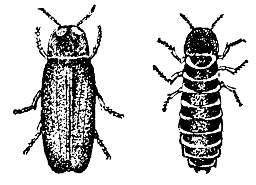
The glowworm has a soft, elongated body, dark brown to black in colour. The male has functional wings and large eyes that allow it to detect light emitted by females. The wingless female retains a larval appearance throughout its life and carries the most developed light-producing organs in the species.
Characteristics
Indicative values: they vary by subspecies, sex and region.
Habitat and distribution
Fireflies favour damp, undisturbed habitats such as meadows, hedgerows, woodland edges and untreated gardens. The presence of snails and slugs, their main prey, strongly determines their settlement in a given habitat. They avoid areas with strong artificial light at night and are sensitive to light pollution.
CURRENT RANGE
The species is widely distributed across Europe, occupying much of the continent, from temperate regions to the Mediterranean coast. Related species of the Lampyridae family also exist in North Africa, Asia and other continents.
Behaviour
Glowworm activity is primarily nocturnal, with peak activity visible shortly after sunset. Bioluminescence is the main means of communication between the sexes, with the male flying in search of light signals emitted by the stationary female on the ground. Outside the breeding period, the species leads a discreet and solitary life, hidden in low vegetation or damp soil.
Reproduction
After mating, the female lays several dozen eggs in vegetation or damp soil, then dies shortly after. The larvae develop over one to two years, going through several moults before pupation. Metamorphosis into adults occurs in spring, and adult life, devoted to reproduction, typically lasts only a few weeks.
Peculiarities
Firefly bioluminescence results from a chemical reaction between luciferin and the enzyme luciferase, producing light with virtually no heat release. This natural phenomenon has inspired numerous scientific studies into the mechanisms of biological light production.
Threats and conservation
Artificial light pollution severely disrupts light communication between males and females, reducing breeding success. Pesticide use and the destruction of hedgerows and damp meadows also cause regional species decline in several European countries.
Numbers and trends vary across sources and regions. See the IUCN assessment for the latest reference data.
Gallery
1 documented photographs.
References
Profile updated 27 August 2026 · Reviewed by the TunisieVet editorial team.
Comments (0)
No comments yet.
CONSERVATION STATUS
Data deficient (DD)
IUCN source, latest published assessment.
Similar animals
Other species documented in Animalpedia.

📱 عندك صفحة على فايسبوك؟ باهي… أما وين موقعك؟ الصفحة وحدها ما تكفيش. موقعك يخلي الناس تلقاك، يعرفوك أكثر ويثقو في خدمتك. 🌐 موقع باسم مشروعك 📲 يخدم أربعة وعشرين ساعة 🤝 يعطي ثقة واحترافية .📈 يعاونك تكبّر خدمتك خلّيه موجود وين الناس تلوّج عليه 🚀نعملولك موقع يشرّف مشروعك
WhatsApp