StoryDesertSteppeFarmland & grasslandsBeliefs and teachings
The Camel: Wealth, Journey and Responsibility in Islam
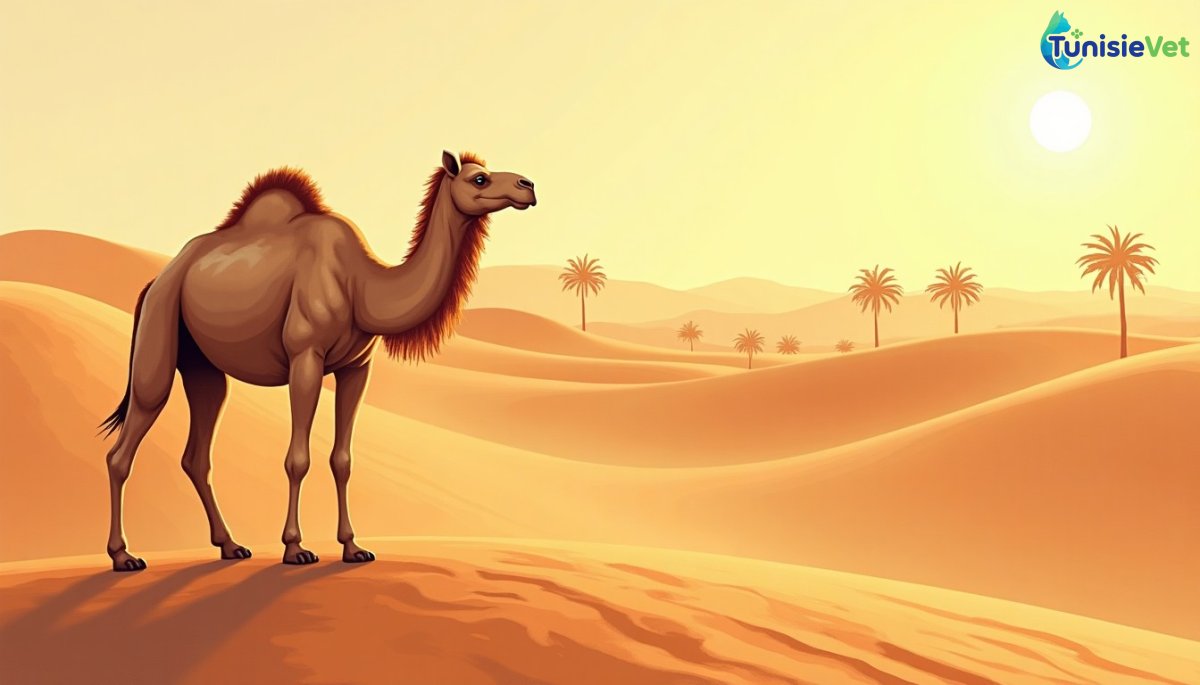
The camel has walked the desert for centuries. Between the verses inviting us to contemplate its creation and the hadiths reminding us of the care it deserves, this animal teaches both wonder and responsibility.
3 min read · Published 1 week ago · 23 views
Across the arid expanses of the Arabian Peninsula, the camel was far more than a riding animal: it represented a family's wealth, the possibility of long-distance travel, and survival itself in a hostile environment. The Qur'an grants it a unique place among the creatures God invites mankind to observe and contemplate.
An animal to contemplate
In Surah Al-Ghachiya, God invites humanity to look upon the creation of the camel as proof of His power and wisdom. This verse is not a simple statement of nature; it calls for deep reflection on how an animal so robust, capable of crossing entire days without water, has been fashioned with a precision that surpasses human understanding.
Do they not consider the camels—how they were created?
(Surah Al-Ghachiya, verse 17)
Scholars of exegesis recall that this verse was addressed first to the Arabs of the seventh century, for whom the camel was ever-present in daily life. By inviting them to observe this animal so familiar to them, the Qur'an urges them beyond habit and toward rediscovering wonder at a creature they encountered without truly seeing it.
Wealth, journey and companion of life
The camel held a central place in the economy and mobility of desert peoples. It carried the goods of caravans, bore the tents and provisions of nomadic families, and allowed journeys across distances that no other domestic animal could cross under such extreme conditions. Owning camels was often a mark of prosperity, so great were their economic and practical value.
It is reported in several hadiths that the Prophet ﷺ himself owned a female camel named Al-Qaswa, which accompanied him notably during his migration from Mecca to Medina. This relationship between man and his mount shows how much the camel was more than a mere means of transport: it became a companion on the road through life's decisive moments.
Publicité
Publicité
Responsibility towards the animal
Beyond its usefulness, Islamic tradition emphasizes the duties an owner has towards his camel. According to a hadith recorded in Sahih Muslim, the Prophet ﷺ warned those who neglect the rest and nourishment of their mounts after a long journey, reminding them that these animals feel fatigue and deserve to be treated with consideration once their work is done.
The camel must not be overloaded beyond its capacity.
It must receive sufficient water and food, especially after intense effort.
The rest of the animal is among the rights recognized for it.
These teachings show that the ownership of an animal, however precious and productive it may be, always carries with it a moral obligation towards its welfare.
A lesson for today
The story of the camel in Islam reminds us that the material wealth an animal can bring never frees us from responsibility for its care. Whether a camel crossing the desert or any other animal entrusted to our keeping today, the same principle remains: observe creation with humility, and treat each creature with the gentleness and care it deserves.