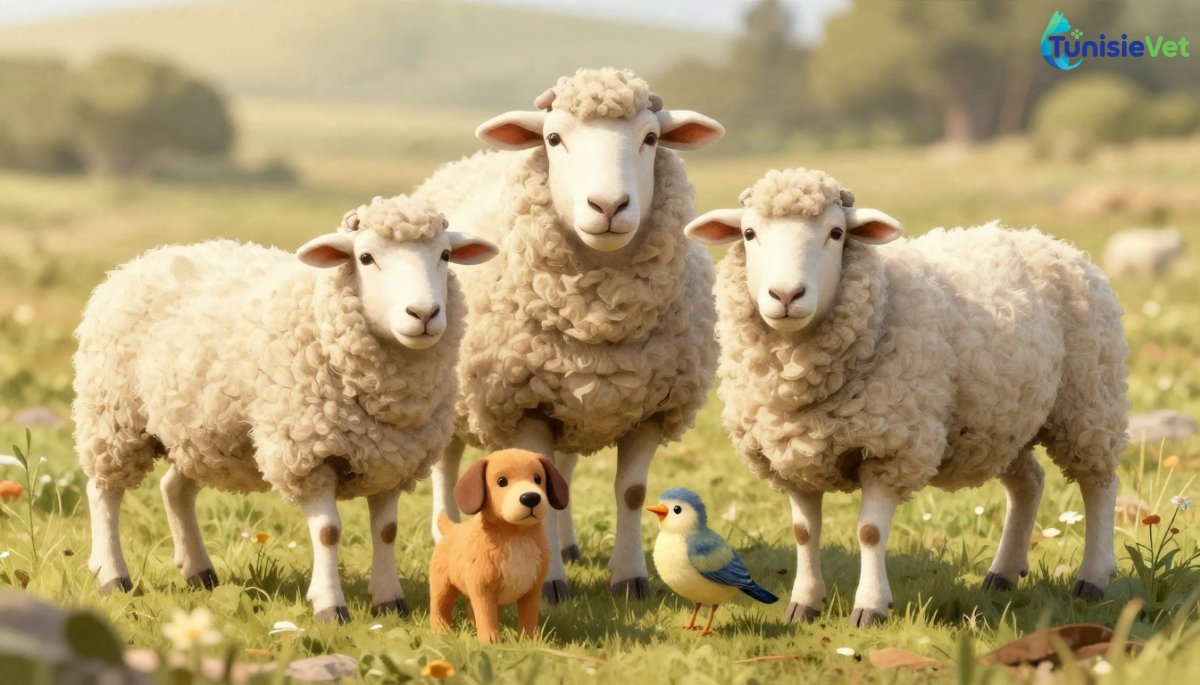
The texts of Islam describe animals as communities created by God and speak of their gathering before Him. They also invite us to recognize the limits of our knowledge and to act with mercy towards them.
Animals live among us, feel hunger and thirst, and share with us the world created by God. On their behalf, a question may arise: do they have a soul, and what becomes of them after death? The texts of Islam give us indications about their place in creation and about their gathering, while leaving part of this question beyond our knowledge.
Communities among the creatures
In Surah Al-An‘âm, the Qur'an speaks of the animals that move across the earth and of the birds that fly. It describes them as communities, then announces their gathering before their Lord. This passage invites us to see them as more than a mere backdrop to human life: they too are part of God's creation.
﴿ وَمَا مِنْ دَابَّةٍ فِي الْأَرْضِ وَلَا طَائِرٍ يَطِيرُ بِجَنَاحَيْهِ إِلَّا أُمَمٌ أَمْثَالُكُمْ ۚ مَا فَرَّطْنَا فِي الْكِتَابِ مِنْ شَيْءٍ ۚ ثُمَّ إِلَىٰ رَبِّهِمْ يُحْشَرُونَ ﴾
There is no creature on the earth, nor any bird flying on its two wings, that does not form communities like yours. We have omitted nothing from the Book. Then they will be gathered before their Lord.
(Surah Al-An‘âm, verse 38)
This verse affirms their gathering without describing in detail the nature of their soul. Elsewhere, in Surah Al-Isrâ’, when the Qur'an speaks of the spirit, it recalls that the knowledge granted to humans is limited. This passage does not specifically address the soul of animals; it nevertheless invites us to humility before what we do not know.
Justice and mercy
A hadith related in Sahih Muslim offers another indication about the Day of Resurrection. The Prophet Muhammad ﷺ teaches there that rights will be returned to those who are owed them, until the hornless sheep obtains redress from the horned sheep. The example shows that no injustice escapes God's justice, even when it concerns animals.
One must nonetheless remain as close as possible to what the texts say: this hadith speaks of redress, but does not describe the entire fate of animals after their gathering. The question of their soul should therefore not be filled with details that these passages do not establish. Recognizing this limit allows us to receive their teaching with respect and simplicity.
The collections Sahih al-Bukhari and Sahih Muslim also relate the story of a man who found a dog panting with thirst. He went down into a well, filled his shoe with water and gave it to the dog to drink. God accepted this act and forgave him. The account shows the value of help offered to an animal that is suffering, even when that act seems modest.
We do not know everything about the inner life of animals or their future. But we can meet their needs today: give them water, care for them, and avoid making them suffer. This kindness is a concrete way of respecting the creatures God has placed alongside us.