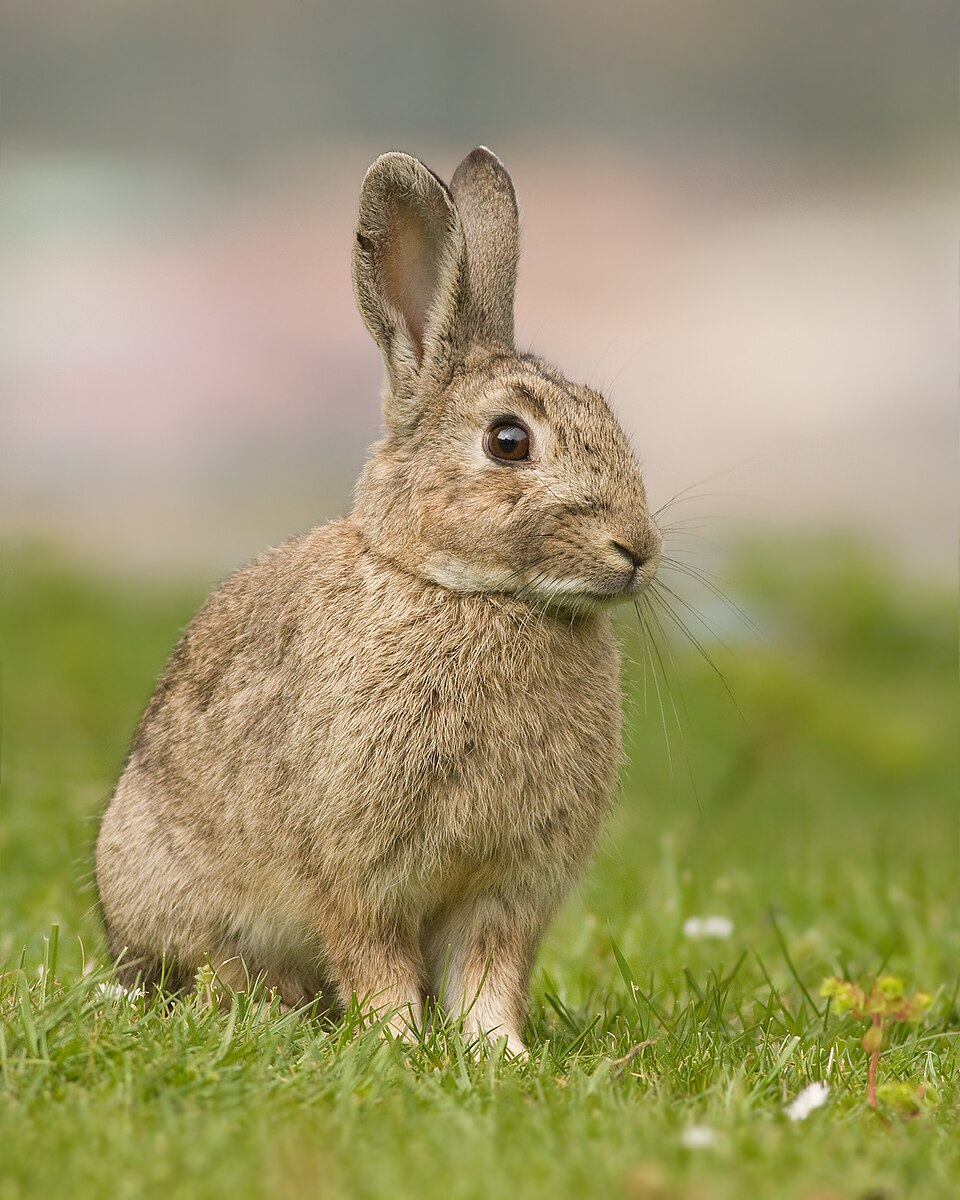
Rabbits eat their soft droppings to recover vitamins B and K as well as proteins of microbial origin produced in their caecum: this is caecotrophy, a normal and essential eating behavior, and not a behavioral disorder.
An essential second digestive passage
The rabbit's digestive system works in two stages. An initial digestion in the stomach and small intestine is followed by intense bacterial fermentation in the cecum, a large organ where microorganisms capable of degrading plant fibers proliferate. This fermentation produces caecotrophs: small soft, shiny masses, enveloped in mucus, rich in bacterial proteins, volatile fatty acids and vitamins B and K that the rabbit cannot synthesize or absorb directly.
These caecotrophs are emitted mainly at night or early in the morning, generally at the end of rest, and the rabbit takes them directly from the anus to swallow them whole, without chewing them for long. They then pass a second time through the stomach, where their protective envelope gradually dissolves, which allows complete digestion and absorption of the nutrients they contain. This mechanism is comparable, in its function, to the rumination of ruminant herbivores, but it relies on fecal recycling rather than remastication.
Publicité
Publicité
The hard, round and dry droppings that we observe during the day are permanent waste, already depleted in nutrients: they are never consumed again. A rabbit prevented from accessing its caecotrophs, for example because of a collar, obesity limiting the flexibility necessary to reach the anus, or dental or back pain, quickly develops deficiencies in vitamins B and K and loses a significant part of its daily protein intake.
An observation that often wrongly worries
Seeing a rabbit “eat its droppings” frequently surprises new owners, who fear a health problem. This behavior, discreet because it is nocturnal, is in reality the sign of a functional digestive system. Only the prolonged absence of caecotrophy, or on the contrary the accumulation of uneaten caecotrophs stuck to the coat, justifies veterinary advice, because this may indicate pain, obesity or an underlying digestive disorder.