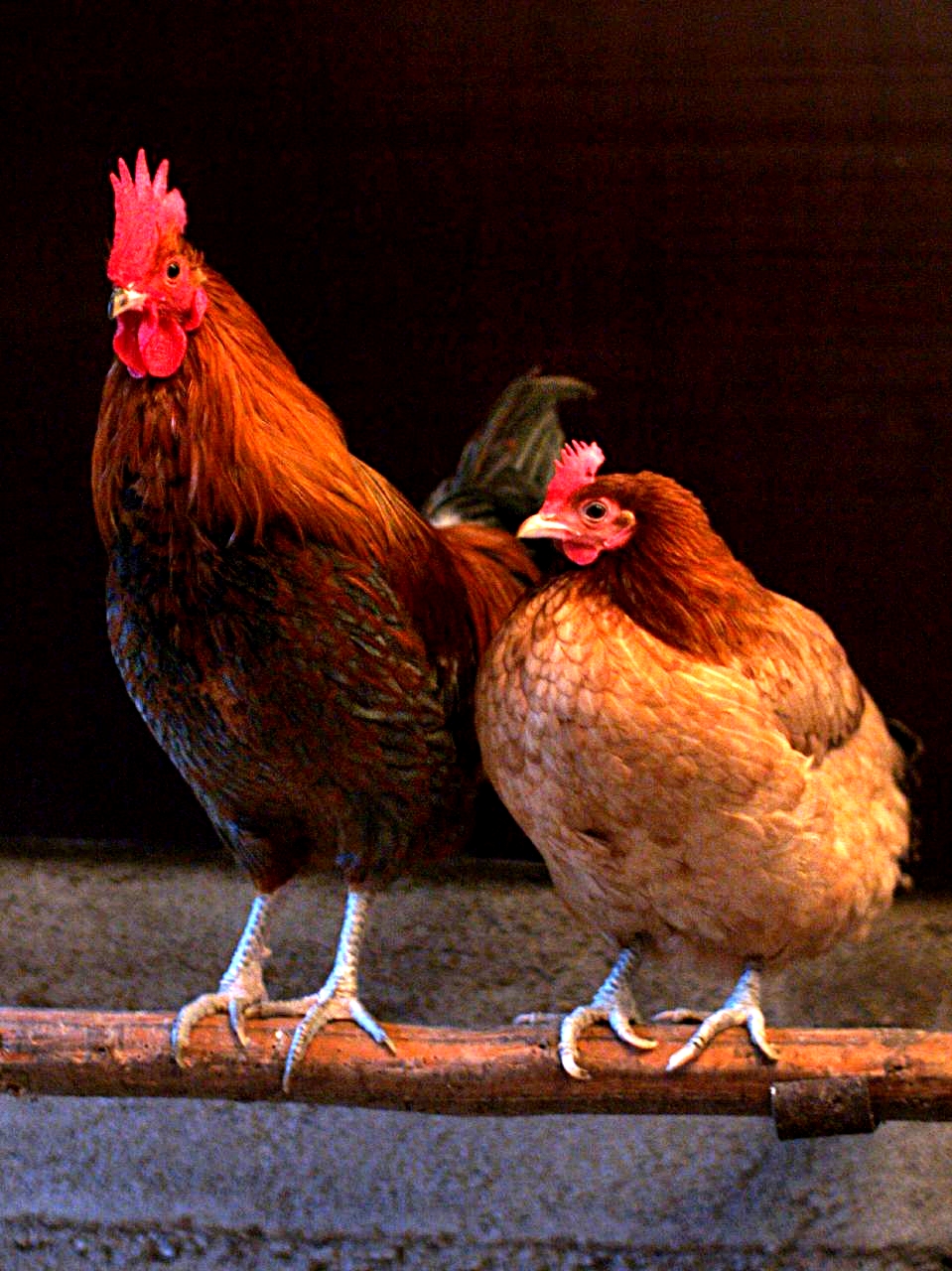
What's the difference between grit and oyster shells for chickens?
13 views · 2 weeks ago
Insoluble grit and oyster shells serve different purposes and cannot substitute for each other: the first is a mechanical tool that stays in the gizzard to grind food, while the second is a supplement that dissolves in the stomach to provide the calcium needed for eggshell formation.
Two functions, two destinations in the digestive tract
True grit is made of flint, granite, or quartz—hard, insoluble materials that do not break down when exposed to digestive juices. Lodged in the gizzard, these small stones act like millstones and wear away slowly with each muscular contraction; they must therefore be replaced regularly, but their role is never nutritional. Crushed oyster shells, by contrast, are made up almost entirely of calcium carbonate. They dissolve in the stomach's acid and release calcium that the chicken absorbs to mineralize her eggshells, a considerable need since a laying hen mobilizes each day the equivalent of a significant fraction of her bone reserves to produce a single shell.
Particle size must match the bird's age: fine grains for chicks beginning to peck, medium size for growing birds, and larger grit or shells for adults, especially laying hens with high calcium demands. Both products should be offered separately, in different containers, free-choice: the chicken regulates her own intake according to her current needs, unlike salt or supplements mixed into the feed that she cannot control.
Chickens with outdoor access
Hens that have regular access to loose or stony soil often find their own grit by pecking at sand, pebbles, or small stones, which reduces but does not eliminate the value of offering it as a supplement, especially in winter when the ground is frozen or waterlogged. However, no outdoor area provides calcium in sufficient quantity for a regular layer: supplying oyster shells remains essential even for chickens raised outdoors. Prolonged calcium deficiency can weaken the skeleton and compromise eggshell quality; if there is any doubt about laying performance or bone strength, consulting a veterinarian is advisable.