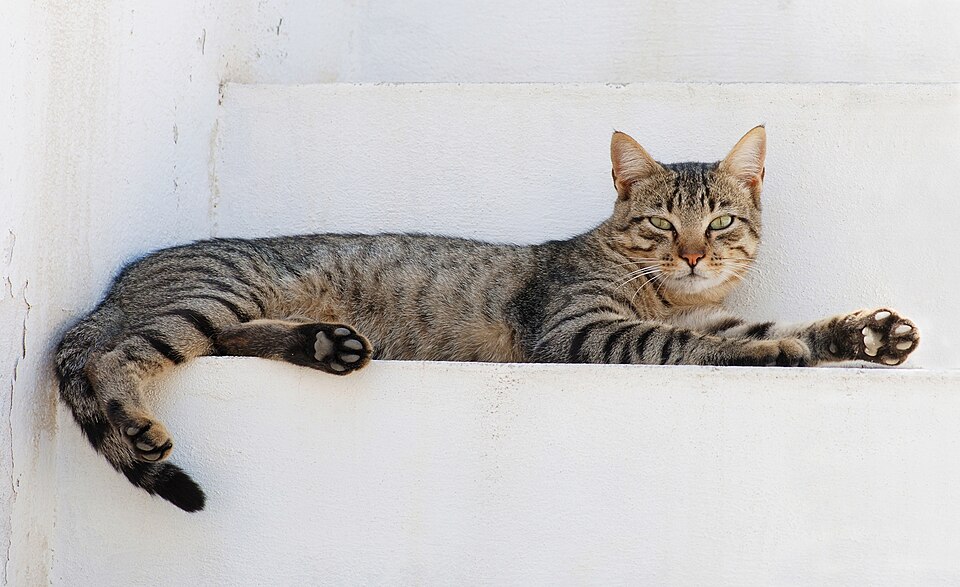
A cat may persistently reject a food because it has learned to associate it with a negative experience: a single episode of nausea, a medication dose, or a hospital stay shortly after eating can be enough to create a conditioned food aversion, sometimes irreversible even if the food itself was not to blame.
A very rapid learning mechanism
This phenomenon, called conditioned taste aversion, relies on an association between the taste or smell of a food and digestive discomfort that occurred in the following hours, even if the real cause was elsewhere (virus, stress, anesthesia). Unlike other forms of learning that require repetition, a single negative experience can be enough to engrave this link durably in a cat, a species known for its keen sense of smell and natural wariness of new foods.
This mechanism explains why cats hospitalized afterward refuse the kibble brand they were offered at the clinic, sometimes long after recovery. It can also occur with a food given just before treatment is given, with the cat associating the container or the bowl itself with the discomfort rather than the product in question.
Publicité
Publicité
Sensory satiation plays a distinct role: without trauma, a cat may gradually turn away from a food offered in monotonous fashion for weeks, a form of sensory-specific satiety documented in this species. Likewise, an unannounced recipe reformulation (a new fat source, a change of supplier) can be enough to alter the smell perceived by the cat, whose sense of smell is far more discriminating than that of humans. Finally, a bag of kibble left open for several weeks exposes the fats to oxidation: the resulting rancidity makes the food detectable as spoiled and naturally rejected, a food safety behavior rather than fussiness.
When to be concerned
An isolated refusal to eat, linked to an identifiable context (recent treatment, old bag, recipe change), is generally not concerning. However, a cat that stops eating altogether, regardless of what food is offered, for more than 24 hours should be seen by a veterinarian: in this species, prolonged loss of appetite carries a risk of hepatic lipidosis, a serious complication specific to cats.
📱 عندك صفحة على فايسبوك؟ باهي…
أما وين موقعك؟
الصفحة وحدها ما تكفيش.
موقعك يخلي الناس تلقاك، يعرفوك أكثر ويثقو في خدمتك.
🌐 موقع باسم مشروعك
📲 يخدم أربعة وعشرين ساعة
🤝 يعطي ثقة واحترافية
.📈 يعاونك تكبّر خدمتك
خلّيه موجود وين الناس تلوّج عليه
🚀نعملولك موقع يشرّف مشروعك