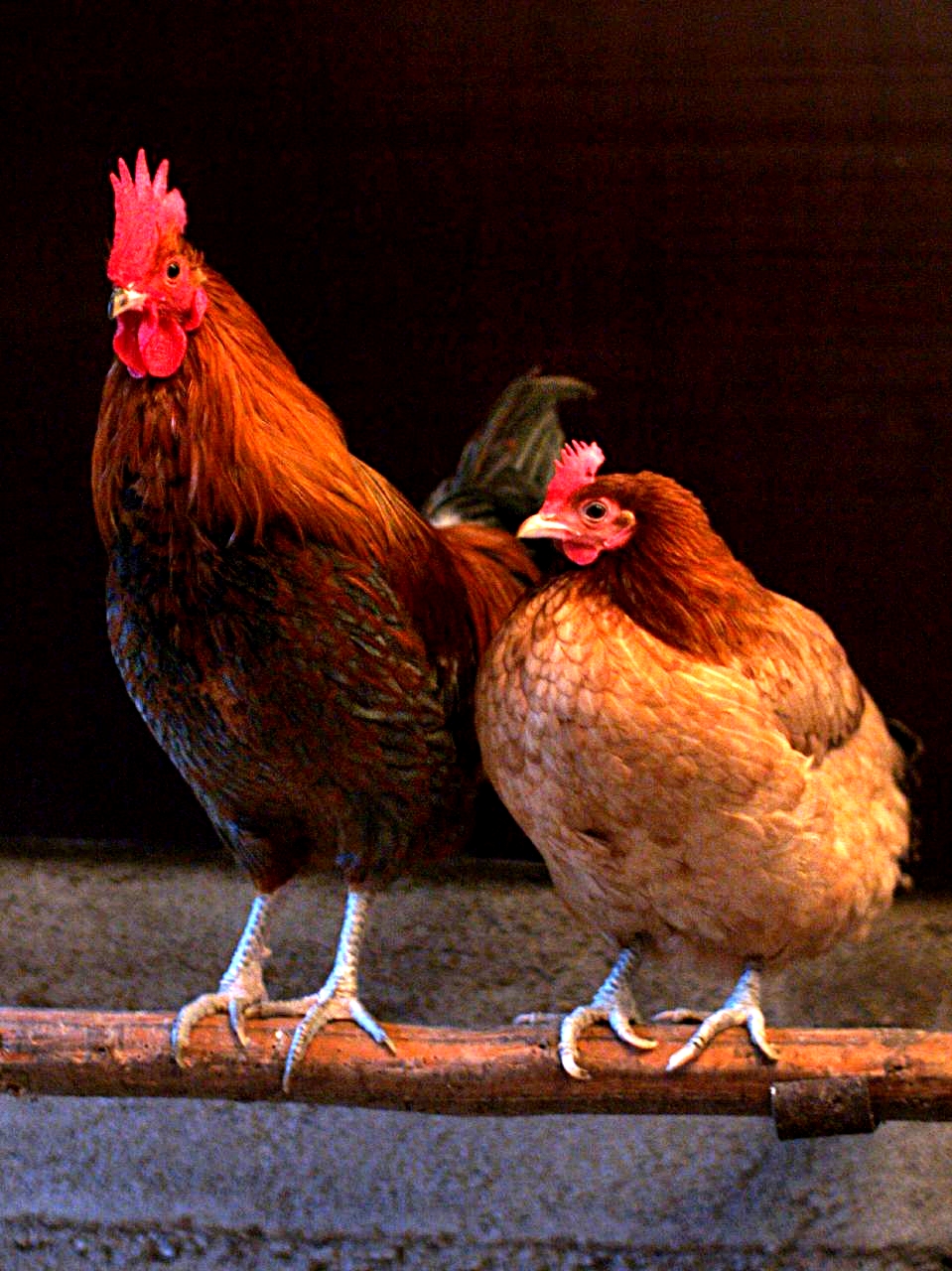
Chickens have no teeth, so they have evolved a multi-stage digestive system that takes the place of chewing. The beak grasps and cuts food, the crop stores and moistens it, the proventriculus impregnates it with acid, and then the muscular gizzard mechanically crushes it before it enters the intestine.
Digestion in stages, without chewing
A chicken's beak is not designed for grinding. It pecks and roughly cuts seeds, grass, or insects, which are swallowed almost whole. This food enters the crop, an expandable pouch of the esophagus located at the base of the neck. The crop does not digest—it stores and softens food by soaking it in mucus, allowing the chicken to eat quickly and then take shelter to digest peacefully. This filling creates a visible, soft bulge at the lower neck in the evening, often mistaken by beginner keepers for a tumour, when it is actually a perfectly normal reservoir.
The softened food then passes into the proventriculus (glandular stomach), where acidic and enzymatic secretions begin chemical digestion. Next comes the gizzard, a muscular organ with thick walls that contracts to mechanically crush particles, a role normally carried out by teeth in mammals. In domestic chickens, this grinding is enhanced by small hard particles deliberately ingested, a mechanism documented separately.
A practical sign to know
Normal function means the crop empties gradually overnight as its contents move toward the gizzard. A crop that is still full and hard in the morning is therefore abnormal—it may indicate a blockage (impaction), slowed transit, or infection. This sign should alert the keeper and warrants prompt veterinary advice, without waiting for the bird to show other symptoms.
Be among the first to use the TunisieVet app on Android: sign up and get early Google Play access.
You're signed up!
Thanks for joining! We'll activate your access within 24–48 business hours. Once done, the two buttons below will work from your Android phone — keep this email.
You're on Android: as soon as your invitation email arrives, these two links will work.