Anatomy & sensesOcean & seaAfricaEuropeAsiaAmericasOceaniaPolar regions
Why is a blue whale's heart so huge?
27 views · 1 week ago
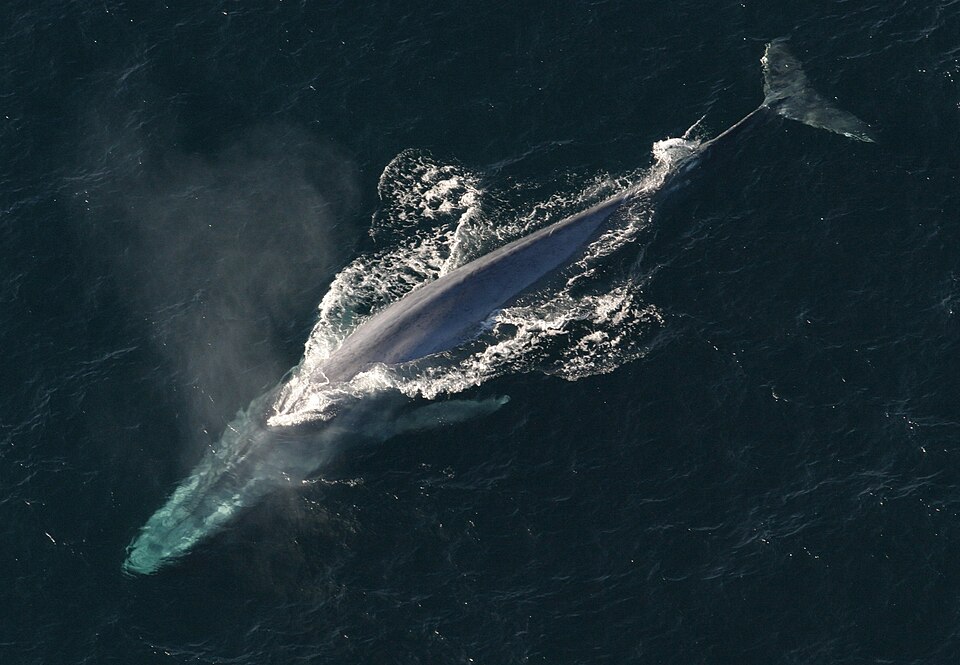
The heart of a blue whale actually weighs around 180 to 200 kilograms in adults, or approximately the weight of a motorcycle or a small light city car — the figures of “several tons” sometimes cited are exaggerated. This size remains proportionate to an animal over 25 meters long.
An engine adapted to a gigantic body
The volume of the heart follows a simple biological rule: the larger the organism, the more power is required to propel blood to the extremities of the body. In the blue whale, the aorta, the main vessel exiting the heart, reaches a diameter of around 20 to 25 centimeters, enough for a child to crawl through — an image often used to illustrate its exceptional caliber.
This massive pump does not beat quickly, however. On the surface, the heart rate is around 25 to 37 beats per minute according to measurements obtained on wild individuals, but it drops drastically in deep diving, dropping to only a few beats per minute, sometimes less than 5. This slowing down, called diving bradycardia, saves available oxygen and prolongs apnea, which can exceed 15 to 20 minutes.
Publicité
Publicité
Between two beats widely spaced in depth, the heart muscle must also withstand considerable variations in pressure without freezing; studies using on-board sensors have shown that the rhythm can then accelerate briefly as it approaches the surface, in anticipation of breathing.
A size that has its physiological limits
Contrary to popular belief, a larger heart does not mean unlimited frequency or infinite resistance: the blue whale's heart wall remains relatively thin compared to its size, and researchers believe that the animal probably operates close to the physiological limits that mammalian cardiac biology allows. The rhythm can neither descend indefinitely without risk of stopping, nor rise as quickly as in a smaller mammal.