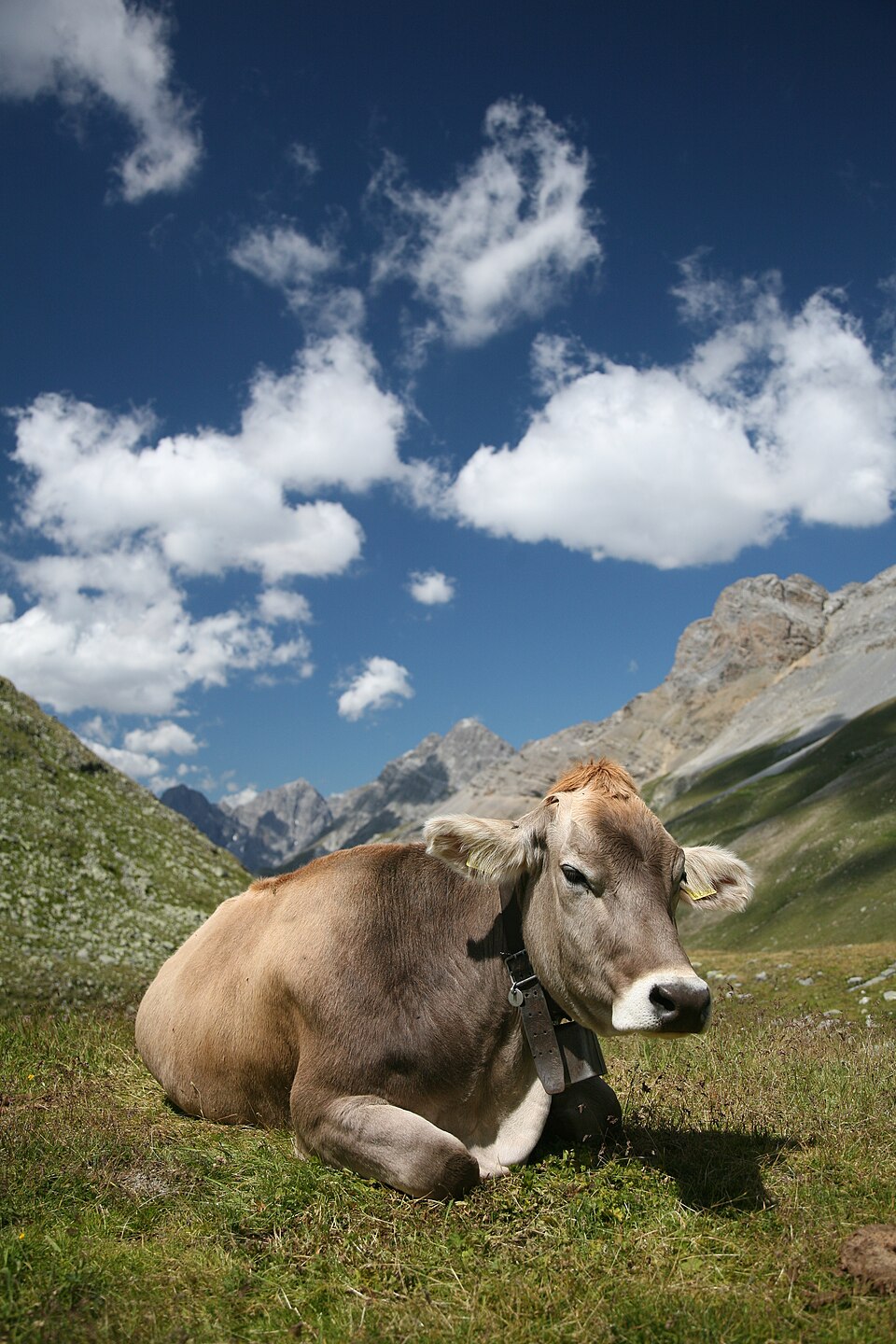
The cow does not have four stomachs but a single stomach divided into four compartments: rumen, network, leaflet and abomasum. This organization makes it possible to host micro-organisms capable of degrading plant cellulose, a molecule that the cow's body, like that of all mammals, cannot digest on its own.
Four compartments, four functions
The rumen is the largest: in an adult cow, it can reach around 150 to 200 liters, or around 80% of the total volume of the stomach. It is a veritable fermentation tank where billions of bacteria, protozoa and anaerobic fungi live. This microbial flora breaks plant fibers (cellulose, hemicellulose) into volatile fatty acids, which the rumen wall absorbs directly: they provide the cow with the majority of its energy.
The network (or cap), attached to the rumen, sorts food particles according to their size and participates in sorting swallowed foreign bodies. The sheet (or omasum), made up of page-shaped folds, plays the role of a sponge: it reabsorbs water and certain minerals before the food bolus continues its journey. Finally, the abomasum is the only compartment comparable to the human stomach: it secretes hydrochloric acid and digestive enzymes, ensuring “classic” digestion close to that of monogastrics.
An essential symbiosis
This digestion is a true symbiosis: the cow provides a warm, humid and anaerobic environment for the micro-organisms, and these return energy and microbial proteins digested further in the small intestine in exchange. Without this microbial population, present from the first weeks of the calf's life and which becomes denser with the introduction of fodder, the animal would not be able to use the grass, hay or straw which constitute the bulk of its diet.