
Vaccination Schedule: Complete Guide to Getting Started

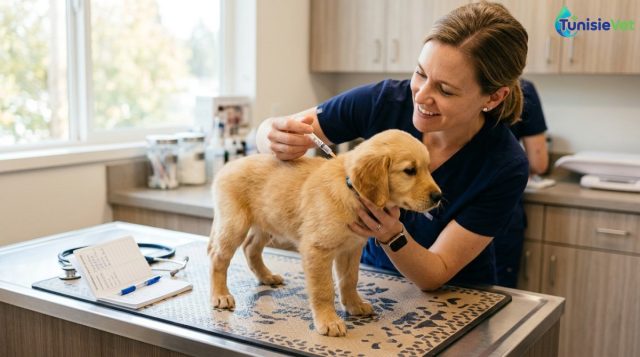
A vaccination schedule is the planned timeline of injections that protect your animal against the most serious infectious diseases, from early infancy through adulthood. If poorly followed, it leaves dangerous windows of vulnerability; if properly maintained, it provides continuous protection. This practical guide explains how to build this schedule, avoid common mistakes, and develop good habits from the first weeks of your pet's life.
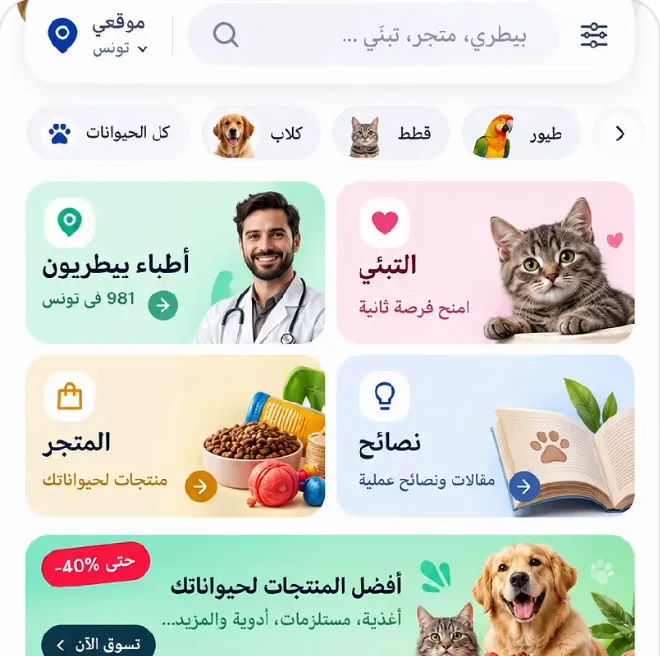
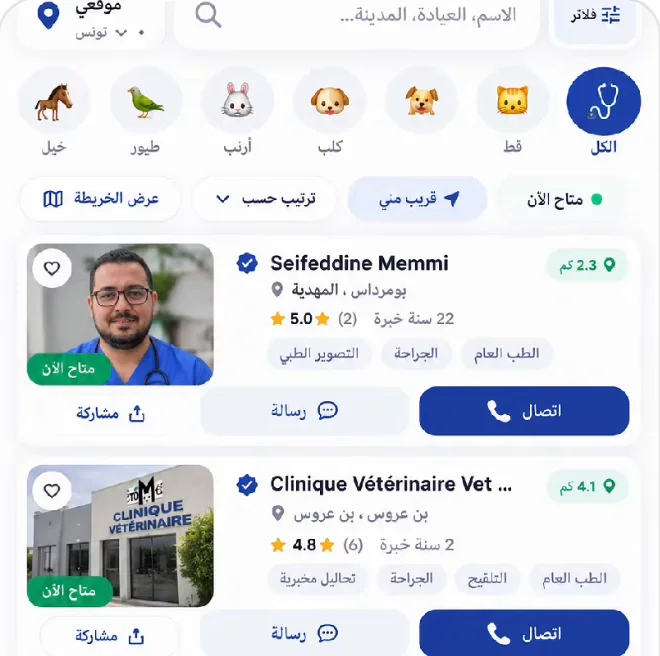
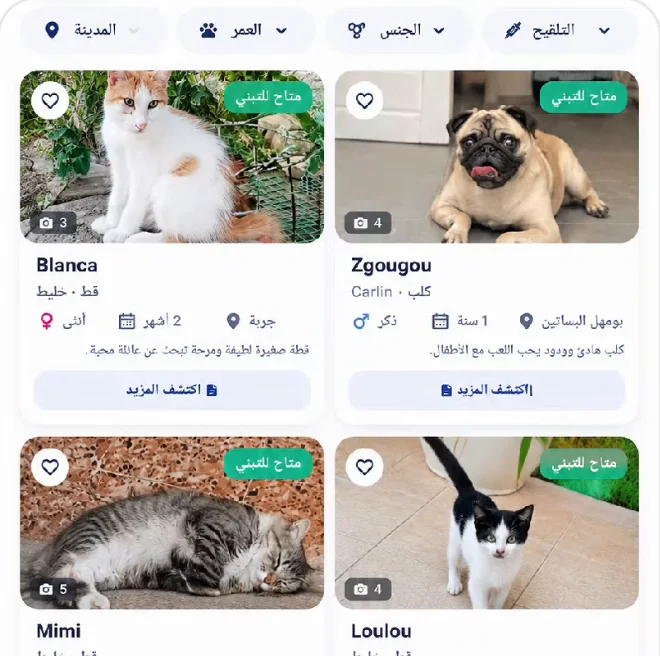
The TunisieVet app to care for your pet
Vets, adoption and products

1. Why a vaccination schedule is essential
Vaccination works in successive stages, especially in young animals. Antibodies received from the mother through colostrum protect the first few weeks, then gradually diminish. If an injection occurs too early, these maternal antibodies neutralize the vaccine; too late, the animal remains exposed. This is why veterinarians establish precise timing rather than a single injection.
A well-designed schedule takes three elements into account: the species, the animal's age, and its lifestyle (indoor, outdoor, contact with other animals, breeding). A cat that never goes outside doesn't have the same needs as a farm dog in constant contact with other animals.
2. Key stages common to all animals
Regardless of the animal, the basic logic remains similar: a primary vaccination series with multiple injections, followed by regular boosters to maintain immunity.
- Primary vaccination: series of two to three injections spaced a few weeks apart in young animals.
- First booster: typically one year after primary vaccination, to strengthen protection.
- Maintenance boosters: thereafter, frequency determined by the veterinarian based on the vaccine and local risks.
- Supplementary vaccinations: added based on lifestyle (boarding, shows, contact with wildlife, breeding).
Between each injection, the animal must be in good health. A fever, diarrhea, or unusual fatigue should delay the appointment, giving the body time to respond properly.
3. Tailoring the schedule by animal type
Protocols vary greatly from one species to another, for both companion animals and livestock. The table below summarizes the key principles to understand, without replacing your veterinarian's advice, who adapts each schedule case by case.
| Animal Type | Primary Vaccination Period | Boosters | Specific Considerations |
|---|---|---|---|
| Puppy | From the first weeks of life | Annual or per protocol | Enhanced protection if contact with other dogs |
| Kitten | From the first weeks of life | Annual or per protocol | Different vaccines depending on indoor or outdoor living |
| Rabbit | From weaning | Regular, based on vaccine type | Essential protection against viral rabbit diseases |
| Poultry (chicken, turkey, duck) | From earliest age in breeding | Per health program | Protocol often collective, adapted to herd size |
| Livestock (cattle, sheep, goat) | Varies by target disease | Seasonal or annual | Schedule linked to regional health risks |
For livestock, the schedule also aligns with breeding: certain vaccinations occur before the kidding season to protect the mother and pass optimal immunity to offspring through colostrum.
4. Common mistakes that weaken protection
A vaccination schedule loses effectiveness the moment it's poorly followed. Here are the most common mistakes observed in newcomers.
- Delaying an injection without consulting the veterinarian, thinking "a few weeks won't matter."
- Stopping after primary vaccination and forgetting boosters, which are essential for lasting immunity.
- Vaccinating a sick or weakened animal, which reduces the immune response effectiveness.
- Confusing worming with vaccination: both are complementary but serve different purposes.
- Improvising the schedule without a follow-up record, leading to forgotten doses or duplicates.
An animal not up to date on vaccinations remains exposed to disease, even if it appears to be in good health. The risk is particularly high during first contact with other animals, in boarding facilities, at shows, or simply during walks.
5. Good habits for flawless follow-up
A few simple habits ensure you never lose track of the vaccination schedule.
- Keep an up-to-date health record, paper or digital, with precise dates of each injection.
- Write down the date of the next booster immediately after each visit, so you can plan ahead rather than react.
- Schedule an annual check-up even if no booster is due, for a general health assessment.
- Adjust the schedule if your animal's lifestyle changes: moving, new pet in the home, travel plans.
- Seek advice before any appointment if your animal shows any sign of fatigue or fever.
For breeders, it's useful to maintain a collective register by lot or herd, so you can see at a glance which animals are up to date and which are awaiting a booster.
6. When to consult a veterinarian
The vaccination schedule should never be established alone, even with good intentions. A professional evaluates the animal's health status, environment, and local health risks before setting precise dates. It's essential to consult as soon as a new animal arrives at your home or farm, to start the primary vaccination at the right time.
If you have any doubt about a reaction after injection, significant delays, or changes in situation (new animal, travel, breeding plans), schedule an appointment promptly. You can search the veterinarian directory to find a professional near you and establish a vaccination schedule suited to your animal.
Summary
- The vaccination schedule is based on a primary vaccination series with multiple injections, followed by regular boosters.
- It must be tailored to the animal's species, age, and lifestyle.
- Delaying or skipping an injection permanently weakens immune protection.
- An up-to-date follow-up record prevents forgotten doses and duplicates.
- Only a veterinarian can establish a precise and safe vaccination schedule.
Frequently asked questions
At what age should I start the vaccination schedule?
Primary vaccination typically begins in the first weeks of life, once maternal antibodies start to decline. The exact age varies by species and should be confirmed by your veterinarian.
What happens if a booster is missed?
A missed booster may require restarting part of the primary vaccination series, as immunity is no longer guaranteed. It's better to contact your veterinarian quickly to reassess the protocol rather than wait.
Can I vaccinate a sick animal?
No, it's not recommended to vaccinate an animal with fever, weakness, or during recovery. It's better to delay the injection by a few days, giving the body time to regain its immune response capacity.
Leave a comment
Be the first to comment on this article.
