Veterinary Checkups: Complete Guide for Getting Started

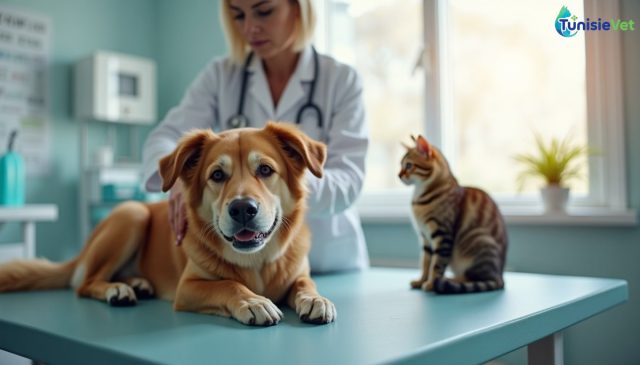
A veterinary checkup is a routine examination that allows you to assess your animal's general health before a problem becomes serious. For new pet owners or livestock keepers, knowing when to visit a vet, how to prepare for the appointment, and what to monitor daily makes all the difference. This practical guide brings together essential veterinary advice to help you approach these appointments with confidence.
1. Why Regular Veterinary Checkups Are Essential
A regular veterinary checkup isn't just about treating a sick animal—it's primarily about detecting early what could become a serious problem. Many chronic diseases or digestive issues develop silently before showing visible signs.
- Detect anomalies early (weight, teeth, parasites, lameness).
- Adjust diet and deworming based on age and lifestyle.
- Keep vaccinations current and prevent transmissible diseases.
- Build a trusting relationship between the animal, owner, and veterinarian.
For livestock keepers, these visits also determine overall herd health by limiting disease spread among animals.
2. How Often Should You Schedule These Visits
Frequency depends on the species, age, and context (companion animal or livestock operation). Here are general guidelines to adapt with a professional based on each animal's actual situation.
| Animal Type | Recommended Frequency | Key Areas Monitored |
|---|---|---|
| Puppy / kitten / young animal | Multiple visits close together during first year | Growth, vaccinations, deworming, spaying/neutering |
| Healthy adult animal | One annual visit | Weight, teeth, parasites, vaccine boosters |
| Elderly or frail animal | Two visits per year or more | Vital organs, mobility, chronic pain |
| Livestock (poultry, cattle, sheep, goats) | Regular monitoring based on production cycle | Herd health, reproduction, hygiene |
Outside this schedule, any sudden change in behavior, appetite, or activity warrants an early visit without waiting for the planned appointment date.
3. How to Prepare for Your Consultation
An effective visit starts long before you arrive at the veterinary clinic. An organized owner saves the practitioner time and gets a more accurate diagnosis.
- Note when symptoms started and how they've progressed.
- Bring the animal's health or vaccination record if available.
- Observe appetite, thirst, feces, and behavior over recent days.
- Transport the animal in a secure cage or carrier to reduce stress and prevent accidents.
- Prepare your questions: diet, parasites, behavior, reproduction.
For livestock, gather information about the whole group (recent births, suspected cases, feed provided) rather than discussing just one animal.
4. Common Mistakes to Avoid
Certain habits, though well-intentioned, undermine the quality of veterinary care. Recognizing them makes it easy to correct.
Waiting for Symptoms to Worsen
Delaying a consultation because your animal "seems better" is one of the most common mistakes. A subtle sign can hide a more advanced problem than it appears.
Giving Treatments Without Professional Advice
Using medication meant for another animal or prolonging treatment without monitoring can mask symptoms or cause side effects.
Neglecting Follow-Up After Your Visit
A veterinary checkup doesn't end when you leave the clinic: following prescribed dosages, vaccine booster schedules, and dietary recommendations is just as important as the consultation itself.
5. Daily Habits to Adopt
Between visits, you remain your animal's first health observer. A few simple practices help you spot problems quickly.
- Weigh your animal regularly to track its weight curve.
- Check the condition of coat, skin, eyes, and ears.
- Monitor the quantity and texture of feces and urine.
- Keep a current deworming and vaccination calendar.
- Quickly isolate any animal showing unusual signs in a livestock operation.
These simple habits strengthen the effectiveness of veterinary checkups by providing your veterinarian with accurate and current information.
6. When to Seek Emergency Care Rather Than Wait for Routine Checkups
Certain signs should never wait until your next scheduled visit. These include breathing difficulties, repeated vomiting, complete loss of appetite, bleeding, convulsions, or sudden loss of balance. In these cases, immediate consultation is critical, as delays in care can seriously worsen the outcome.
To find a qualified professional quickly, it's helpful to consult a veterinary directory to identify a nearby clinic equipped to handle your animal's species.
Summary
- Regular veterinary checkups allow early detection of health problems.
- Visit frequency depends on age, species, and the animal's overall condition.
- Good preparation (observations, documents, questions) improves consultation quality.
- Avoid self-medication and stick to prescribed follow-up care.
- Certain symptoms warrant immediate consultation without waiting for a scheduled appointment.
Frequently Asked Questions
How often should I take my pet to the vet?
Generally, one annual visit is sufficient for a healthy adult animal, but young and elderly animals need closer monitoring. Your veterinarian will adjust this schedule based on the species and health history.
Can I space out checkups if my animal seems healthy?
An animal can appear fit while showing early signs not visible to the naked eye. It's therefore not advisable to space out routine visits, even without apparent symptoms.
What should I do if my animal panics during transport to the clinic?
Using an appropriately sized transport cage, covering it with light fabric, and speaking calmly to your animal generally reduce stress. For particularly anxious animals, you can ask your veterinarian for advice on calming methods before the journey.
Leave a comment
Be the first to comment on this article.