
Pet Vaccination Costs in Tunisia: Smart Health Budgeting

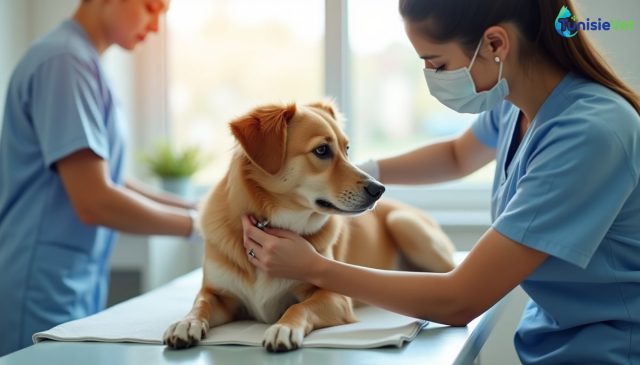
Vaccination costs vary considerably depending on the animal species, age, and type of vaccine administered. Understanding pet vaccination costs in Tunisia—whether for dogs, cats, cattle, or poultry—helps you plan ahead and avoid unexpected expenses. This practical guide breaks down the factors affecting vaccine pricing and provides concrete strategies to budget for preventive care without ever compromising your animals' health protection.
1. Why vaccination rates differ so much from one animal to another
Vaccine pricing depends on much more than just the species being treated. Several technical factors explain the price differences observed between veterinary clinics, regions, and times of year.
- The vaccine type: a monovalent vaccine (protecting against a single disease) typically costs less than a combination vaccine protecting against multiple illnesses at once.
- The species and animal size: certain formulations require dosages adapted to body weight, which affects the final price.
- The associated consultation: the vaccination service often includes a full clinical examination, charged separately from the product itself.
- Geographic location: prices can differ between major cities and rural areas, depending on veterinarian availability.
- The number of animals treated simultaneously: for farms, group vaccination typically costs less per head than individual injections.
2. Vaccination costs for dogs and cats
For dogs and cats, basic vaccination typically covers several serious infectious diseases in a single annual injection, sometimes followed by a rabies booster. The budget depends mainly on the protocol your veterinarian recommends and your animal's age.
Initial vaccination for puppies and kittens
The first year of life requires multiple injections spaced several weeks apart, representing a higher initial investment than a simple annual booster. This crucial step is essential for building lasting immunity.
Annual boosters for adults
Once initial vaccination is complete, an annual booster is usually sufficient. This regular appointment also provides an opportunity for a general health check-up, optimizing the value between spending and health benefits.
3. Cattle and livestock vaccination costs
For cattle, vaccination follows a collective prevention logic, often carried out at key times of year to limit contagious disease risks. Pet vaccination costs in Tunisia depend directly on the herd size and the health protocol followed by the farm.
- Group vaccination campaigns reduce the per-animal unit cost.
- The veterinarian's travel to the farm can represent a significant portion of the bill, especially for smaller herds.
- Some vaccines require strict cold chain management, which influences their production cost and ultimately their selling price.
4. Poultry vaccination: a budget often underestimated
Chicken vaccination is sometimes overlooked by small-scale farmers, yet it remains a cornerstone of prevention against respiratory and infectious diseases that spread rapidly in groups. The per-bird unit cost is generally low, but it must be multiplied by your flock size.
For a small family flock of laying hens, the expense remains modest. For larger operations, it becomes worthwhile to compare offers from several practitioners and plan vaccinations ahead of high-risk periods.
5. Comparative breakdown of vaccination expenses by animal
| Animal | Typical frequency | Main cost variation factor | Budgeting tip |
|---|---|---|---|
| Dog | Annual booster | Combined vaccine type or single-disease | Combine with annual health check-up |
| Cat | Annual booster | Lifestyle (indoor/outdoor) | Adapt protocol to actual exposure risk |
| Cattle | According to health calendar | Herd size and travel distance | Schedule group vaccination |
| Poultry | According to farming protocol | Flock size | Compare rates for complete batches |
6. How to build a realistic animal health budget
Creating an effective preventive animal health budget requires annual planning rather than reactive management. Here's a straightforward method to follow.
- List vaccination requirements for each animal based on species, age, and lifestyle.
- Request a detailed quote from your veterinarian before any injection to avoid unexpected costs.
- Set aside a fixed monthly amount dedicated to animal health, including vaccines, deworming, and routine checks.
- Combine services whenever possible, such as pairing vaccination with a general health examination.
- Compare rates from multiple practitioners without ever sacrificing quality care for the lowest price.
7. Affordable vaccination without compromising health protection
Reducing costs should never mean reducing protection. Affordable farm animal vaccination relies on organization rather than delaying or skipping necessary injections.
- Prioritize prevention over treating declared disease, which is always more expensive.
- Follow the recommended vaccination schedule to avoid additional boosters if you fall behind.
- Avoid unnecessary or redundant vaccines by discussing the actual protocol with your veterinarian.
To establish a vaccination protocol suited to your animal and obtain an accurate quote, it's recommended to consult a professional through the veterinarian directory, which allows you to compare practitioners based on your region and animal type.
Summary
- Vaccine cost depends on the type of protection, animal species, and associated consultation fees.
- Initial puppy or kitten vaccination costs more than subsequent annual boosters.
- Group vaccination significantly reduces per-animal costs for cattle and poultry.
- Animal health prevention budgets should be planned annually, not at the last minute.
- Reducing expenses should never involve skipping a necessary vaccine booster.
Frequently asked questions
Does vaccination cost depend on the animal's breed?
Breed mainly influences size and sometimes the dosage administered, more than the vaccine price itself. The primary factor remains the type of protocol your veterinarian chooses.
How often should you budget for pet vaccinations?
Most animals need an annual booster once initial vaccination is complete. It's wise to budget for this expense every year on the same date.
Can you reduce costs by vaccinating multiple animals at the same time?
Yes, particularly for cattle and poultry, group vaccination typically reduces the per-animal cost. For dogs and cats, this depends mainly on the rates charged by your veterinarian.
Planning for pet vaccination costs in Tunisia, just as you would for farm animals, enables you to protect your animals' health long-term without unexpected strain on your finances. Regular communication with your veterinarian remains the best way to adjust the protocol to your actual budget.
Leave a comment
Be the first to comment on this article.
