
Pet Vaccination: The Complete Beginner's Guide

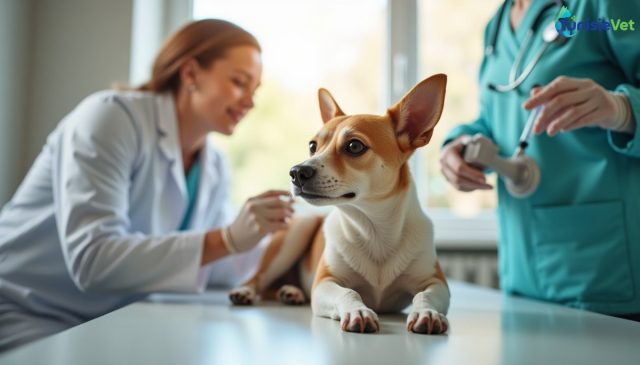
Vaccination is one of the most effective preventive measures you can take to protect your animal's health, whether you have a dog, a cat, a rabbit or backyard poultry. Yet many first-time owners share the same questions: what age to start, how often to schedule boosters, what to do if a dose is missed? This practical guide brings together essential veterinary advice to help you approach vaccination with confidence, without the confusing jargon.
Why vaccination matters so much
Vaccinating an animal means stimulating its immune system so it learns to recognise and fight certain infectious agents before it's ever actually exposed to them. This preventive protection limits the severity of many diseases, reduces their spread between animals, and also shields younger or more fragile animals, who are often more vulnerable to infection.
Vaccination is part of a broader preventive approach, alongside a suitable diet, good daily care and regular veterinary check-ups.
When to start and how often to vaccinate
The vaccination schedule varies depending on the species, age, lifestyle (indoor, outdoor, contact with other animals) and overall health of the animal. That's why there's no one-size-fits-all protocol: only a veterinarian can design the schedule best suited to your animal.
Some general guidelines
- Young animals usually receive their initial vaccination as a series of closely spaced injections, giving their immune system time to become fully responsive.
- Regular booster shots are then needed to maintain effective protection over time.
- An adult animal that has never been vaccinated needs to follow a catch-up protocol, to be defined with a professional.
- Females intended for breeding sometimes require a specific vaccination schedule, planned ahead of mating or giving birth.
Common mistakes to avoid
Many first-time owners unknowingly make mistakes that reduce the effectiveness of vaccination or put their animal at risk.
- Delaying or spacing out boosters: a booster given too late may mean having to restart the whole protocol from scratch.
- Vaccinating a sick or weakened animal: vaccination should always be carried out on an animal that appears to be in good health; if there's any doubt, the vet will decide whether it should be postponed.
- Neglecting the health record book: this document is your animal's vaccination history; it's essential for travel, boarding facilities or when switching vets.
- Assuming an indoor animal doesn't need vaccinating: some pathogens spread through the air, objects or indirect contact, even without any time spent outdoors.
- Improvising without professional advice: every animal has specific needs depending on its age, breed and environment.
Good habits before and after vaccination
A few simple precautions can make all the difference for a smooth vaccination experience:
- Bring in a calm animal, ideally free from excessive stress, to limit reactions linked to anxiety rather than the vaccine itself.
- Tell the vet about any previous reaction to a past vaccination.
- Watch your animal closely in the hours that follow: mild tiredness or a slight, temporary drop in appetite is normal, but any unusual or persistent symptom warrants a call to the clinic.
- Avoid intense physical activity and contact with other unvaccinated animals in the days following the injection.
- Always write down the vaccination date and the next booster date in the health record book or a calendar.
Tailoring vaccination to each type of animal
Dogs, cats, rabbits, poultry or farm animals: each species has different vaccination needs, shaped by its lifestyle and the diseases it's most exposed to. A dog that regularly visits parks or boarding kennels won't face the same level of risk as a strictly indoor cat, and a herd requires an entirely different approach, planned at the group level. That's why it's essential to have your animal's specific situation assessed rather than relying on generic advice found online.
To put together a reliable, well-suited vaccination schedule, the safest option is always to consult a professional. You can find a practitioner near you through our veterinary directory, who will guide you based on your animal's species, age and lifestyle.
Vaccination: how often should boosters be given?
The frequency of booster shots depends on the type of vaccine, the species and the protocol recommended by the treating veterinarian. Some boosters are needed annually, while others are spaced further apart depending on how long the protection lasts. The simplest approach is to keep the health record book up to date and schedule regular check-up visits, which will also help monitor your animal's overall health.
Leave a comment
Be the first to comment on this article.
