
Animal Vaccination: The Complete Beginner's Guide

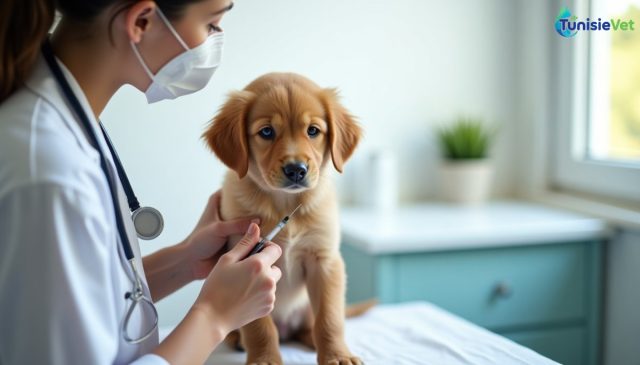
Getting your animal vaccinated is one of the most effective steps you can take to protect it throughout its life against serious, sometimes fatal diseases. This veterinary advice guide explains in simple terms why vaccination matters, when to start, how a vaccination appointment unfolds, and which common mistakes to avoid when beginning—whether you own a dog, cat, rabbit, or poultry.
1. Why Vaccination Is Essential
Vaccination prepares your animal's immune system to recognize an infectious agent before it encounters the real disease. If your pet is exposed later, the body reacts faster and more powerfully, which prevents or reduces the severity of illness. It's a cornerstone of preventive care, just as important as deworming or balanced nutrition.
A properly vaccinated animal also protects those around it: fewer diseases in circulation means lower risk for other animals in the household, neighborhood, or herd, and sometimes for humans when the disease is transmissible (zoonotic).
Major Disease Groups Prevented by Vaccination
- Serious viral diseases that are often fatal in young animals
- Highly contagious respiratory diseases in group settings (kennels, catteries, farms)
- Diseases transmissible to humans, such as rabies
- Severe digestive diseases in vulnerable young animals
2. When to Start: Age-Based Vaccination Schedule
Primary vaccination typically begins in the first weeks of life, when natural protection passed from the mother starts to decline. It usually requires several injections spaced a few weeks apart, followed by a booster one year later, then additional boosters at regular intervals depending on the animal's species and lifestyle.
| Animal Category | Starting Period | Special Considerations |
|---|---|---|
| Puppy | First weeks of life | Multiple vaccinations close together, then annual boosters |
| Kitten | First weeks of life | Protocol adapted if the animal goes outdoors or lives with other cats |
| Rabbit | After weaning | Enhanced protection if the animal lives outdoors |
| Poultry (chicken, duck, turkey) | Very young age, based on local risk | Protocol often applied to the entire flock |
| Adult animal adopted without history | As soon as possible | A complete protocol is restarted as a precaution |
3. What Happens During a Vaccination Appointment
A proper vaccination visit never consists of just an injection. The veterinarian always begins with a thorough clinical examination: temperature, weight, mucous membrane condition, auscultation, and abdominal palpation. This exam confirms the animal is healthy enough to receive the vaccine without risk.
- Questions about lifestyle, diet, and medical history
- General clinical examination
- Injection of the vaccine(s) chosen based on age and risk factors
- Updating the animal's health record with vaccination dates
- Advice on monitoring your animal in the hours following injection
This is also a good opportunity to discuss other preventive measures: deworming, parasite control, spaying or neutering, and diet appropriate to the animal's age.
4. Common Mistakes to Avoid
Delaying or Spacing Out Injections Too Much
Interrupting a primary vaccination course leaves the animal only partially protected, sometimes with no real protection at all. It's better to follow the recommended schedule than to wait for a more convenient date.
Vaccinating a Sick or Weakened Animal
An animal with fever, parasites, or high stress responds poorly to vaccination. Your veterinarian may suggest postponing the appointment for a few days until the animal is in better condition.
Assuming Indoor Animals Need No Protection
Even a cat that never goes outside or a rabbit kept in a cage remains at risk: viruses can be brought in on shoes, new animals may arrive in the home, or your pet may spend time in a boarding facility. Risk level should be discussed with your veterinarian, but "never exposed" doesn't really exist.
Forgetting Booster Shots
Vaccination protection decreases over time. Without boosters, the animal gradually becomes vulnerable again, even if it appears in perfect health.
5. How to Respond After Vaccination
It's normal to notice slight tiredness, mild loss of appetite, or sensitivity at the injection site for a day or two. These signs usually disappear on their own.
- Let your animal rest quietly on the day of vaccination
- Watch for signs of significant swelling, repeated vomiting, or breathing difficulties
- Contact a veterinarian promptly if your animal shows unusual or prolonged symptoms
- Avoid intense exercise and baths on the day of vaccination
6. Tailoring Vaccination to Lifestyle
The vaccination protocol is never exactly the same for every animal. A dog that visits parks, boarding facilities, or shows, a cat with outdoor access, or a poultry operation in contact with other flocks have different needs than an isolated animal. Your veterinarian adjusts recommended vaccines based on these risk factors, age, overall health, and sometimes geographic location.
For farmers and breeders, vaccination is often considered at the flock or herd level: it limits disease spread among animals in close contact, which is especially important for backyard poultry and small ruminant operations.
For questions about the best protocol for your animal, consult a professional directly through the veterinarian directory, who can establish a personalized vaccination schedule.
Summary
- Vaccination prepares the body to defend itself effectively against serious diseases
- Primary vaccination begins early and requires multiple injections followed by regular boosters
- A clinical exam always precedes injection to ensure the animal is fit for vaccination
- Never vaccinate a sick, feverish, or severely weakened animal without veterinary advice
- Even indoor or low-exposure animals benefit from vaccination protection
Frequently Asked Questions
What age should I start vaccinating my animal?
Most vaccination protocols begin in the first weeks of life, once the natural protection passed from the mother starts to wear off. Your veterinarian will determine the exact timing based on your animal's species and health status.
Do I need to vaccinate every year?
After primary vaccination and the first booster, the frequency of future boosters depends on the vaccine type and your animal's lifestyle. Only a veterinarian can determine the appropriate schedule for your specific situation.
Can vaccination cause side effects?
Mild tiredness or a small local reaction at the injection site may appear for a day or two, which is normal. Any more pronounced or lasting symptom should always be reported to your veterinarian without delay.
Starting vaccination on the right foot means offering your animal lasting protection against preventable diseases. If you're uncertain about which schedule to follow, a veterinarian is your best resource for developing an appropriate protocol and answering all your practical vaccination questions.
Leave a comment
Be the first to comment on this article.
