
Diarrhea in Dogs and Cats: Causes, Home Care, and When to Act

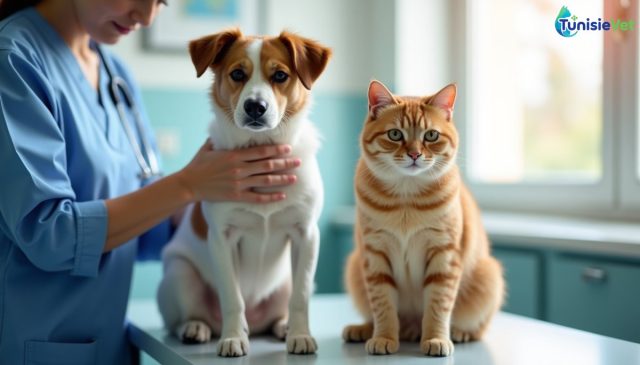
Diarrhea in dogs and cats is a common digestive issue, especially during hot weather, and it can stem from dietary, infectious, or parasitic causes. This guide explains how to recognize the signs, what first steps to take at home, and crucially, when to contact a veterinarian without delay.
1. Understanding Diarrhea in Dogs and Cats
Diarrhea occurs when stools become soft, liquid, or more frequent than usual. This symptom is not a disease itself—it's a sign that the digestive system is reacting to some form of aggression, whether dietary, infectious, parasitic, or stress-related. In both dogs and cats, an episode may be isolated and harmless, or it could indicate a more serious condition such as gastroenteritis or digestive disorders requiring prompt attention.
The color, odor, presence of blood or mucus, and frequency of stools are valuable clues to observe before any veterinary consultation.
2. Main Causes of Diarrhea in Dogs and Cats
Dietary Causes
- Sudden change in diet without gradual transition
- Ingestion of spoiled, fatty, or unusual foods
- Food intolerance or sensitivity to a particular ingredient
- Eating table scraps, bones, or garbage
Infectious Causes
Certain viruses and bacteria can trigger acute digestive inflammation. Young animals with immature immune systems are generally more susceptible to such infections, as are those not protected by current vaccination protocols.
Parasitic Causes
Intestinal worms (internal parasites) and certain microscopic parasites are a frequent cause of diarrhea in dogs and cats, particularly in puppies, kittens, and outdoor animals. Regular deworming, tailored to the animal's age and lifestyle, remains a fundamental preventive measure.
Other Contributing Factors
- Stress or environmental change
- Intense heat promoting bacterial growth in water or food
- Ingestion of a foreign body or toxic plant
- Certain chronic digestive conditions
3. Recognizing Warning Signs
Not every case of diarrhea requires an immediate vet visit, but certain accompanying signs warrant attention. The following table outlines general guidelines to help you decide whether professional care is needed.
| Observed Situation | What It May Indicate | Recommended Action |
|---|---|---|
| Soft stools in isolation, animal active and eating normally | Mild digestive upset, often dietary | Monitor at home |
| Diarrhea persisting several days | Deeper underlying cause to identify | Veterinary consultation advised |
| Blood in stools, vomiting, lethargy | Possible gastroenteritis or infection | Prompt veterinary visit needed |
| Puppy, kitten, elderly, or weakened animal | Higher risk of dehydration | Veterinary advice without delay |
4. First Steps to Take Before Visiting the Vet
When faced with mild, recent diarrhea, a few simple measures can help your animal while you await a potential consultation:
- Keep fresh water available at all times, especially in hot weather, to prevent dehydration
- Offer light, easily digestible food in small quantities for a short period
- Avoid any sudden dietary changes or new foods until digestion normalizes
- Carefully observe the appearance of stools and your animal's overall behavior
- Avoid self-medication, particularly with human medications, which can be dangerous for animals
These measures are not a substitute for professional treatment prescribed by a veterinarian if symptoms persist or worsen.
5. When to Contact a Veterinarian Right Away
Certain situations require prompt veterinary attention rather than simply monitoring at home:
- Diarrhea lasting more than two days despite basic home care
- Blood in stools or repeated vomiting
- Lethargy, refusal to drink or eat
- Puppies, kittens, pregnant females, or elderly animals affected
- Signs of dehydration: dry gums, skin that remains tented
A professional can establish an accurate diagnosis, potentially through additional tests, and recommend treatment tailored to the actual cause of the digestive issue. To find a veterinarian near you, consult the directory of veterinarians for dogs or veterinarians for cats.
6. Preventing Digestive Issues Daily
- Introduce any new food gradually over several days
- Follow a regular deworming schedule appropriate to your animal's age and lifestyle
- Keep vaccinations current as recommended by your veterinarian
- Prevent access to garbage, food scraps, and potentially toxic plants
- Ensure constant access to clean, fresh water, particularly during hot periods
In Summary
- Diarrhea in dogs and cats has varied causes: dietary, infectious, or parasitic
- Mild, isolated diarrhea can be monitored at home with fresh water and light food
- Blood in stools, lethargy, or persistent symptoms require prompt veterinary consultation
- Young and vulnerable animals face higher dehydration risk
- Prevention includes gradual food transitions, regular deworming, and constant water access
Frequently Asked Questions
What should I feed my dog or cat with diarrhea?
Light, easily digestible food given in small portions is generally recommended while digestion normalizes. It's best to consult your veterinarian for advice tailored to your specific animal.
How long can diarrhea last in an animal without being serious?
Mild, isolated diarrhea may resolve within a day or two with monitoring. Beyond that, or with accompanying symptoms like vomiting, veterinary consultation becomes necessary.
Is diarrhea in dogs and cats contagious to other animals?
Certain infectious or parasitic causes can indeed spread between animals sharing the same household. It's wise to temporarily isolate the sick animal and consult a professional to identify the underlying cause.
Diarrhea in dogs and cats remains, in most cases, a temporary digestive issue manageable with simple steps and observation. Whenever doubt persists or symptoms worsen, it's best to consult a professional promptly via the veterinarian directory to protect your companion's health.
Leave a comment
Be the first to comment on this article.

TunisieVet in your pocket 📱🐾 Access your veterinary services wherever you are. [ Download the app ]
Learn more